
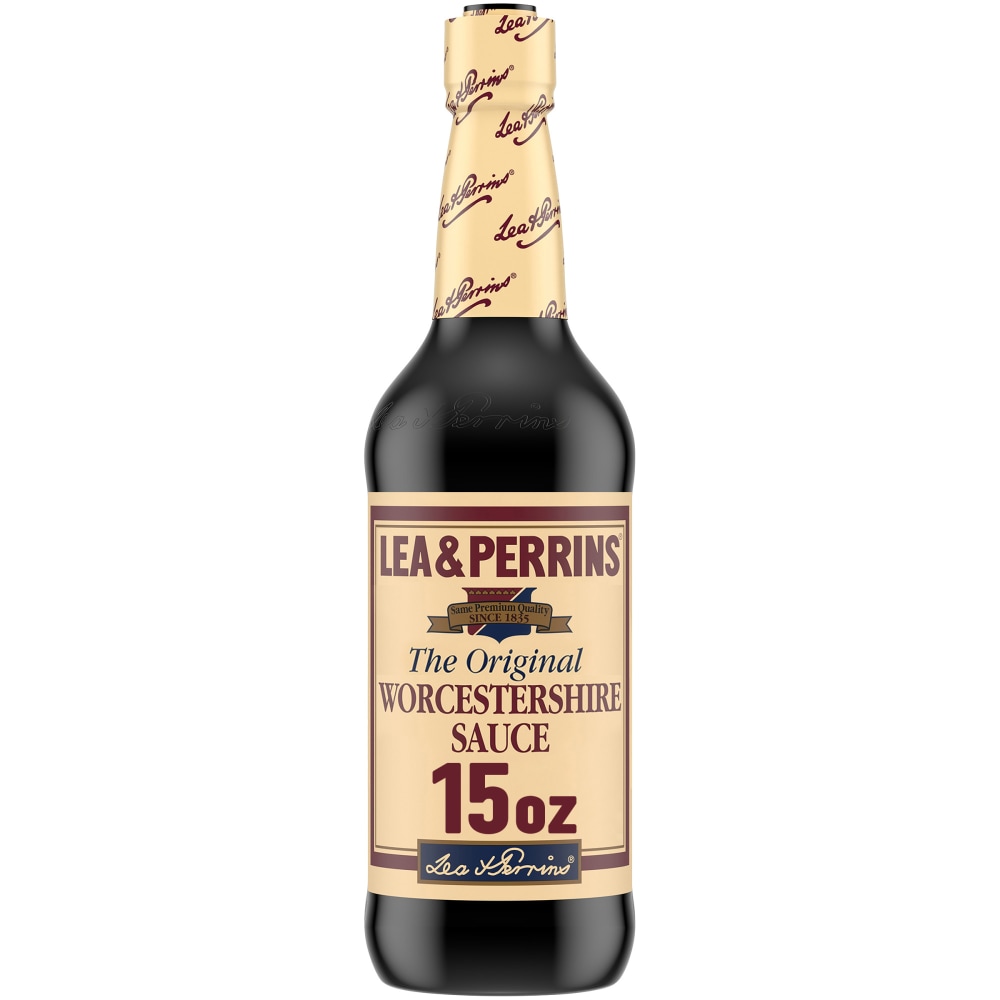


Lea & Perrins Worcestershire Sauce
Analysis updated May 2026 · How Scout scores
At a glance
Summary
This Worcestershire sauce contains beneficial ingredients like anchovies, onions, and garlic, which contribute to its nutritional value. However, it is heavily processed and includes added sugar and unspecified flavors, which detract from its overall healthiness. The high level of processing and presence of refined sugar limit its score despite some positive ingredients.
Key ingredients 11
AnchoviesGood
Anchovies are small fish rich in omega-3 fatty acids, which are beneficial for heart health. They provide a savory umami flavor and are a source of protein and essential nutrients. They are often used in sauces for their depth of flavor.
Risks
Potential allergen for individuals with fish allergies.
Benefits
Rich in omega-3 fatty acids, which support cardiovascular health and reduce inflammation.
OnionsGood
Onions are a vegetable rich in vitamins, minerals, and antioxidants. They provide flavor and potential health benefits, including anti-inflammatory properties. They are a staple in many culinary traditions for their versatility and health benefits.
Benefits
Rich in antioxidants and compounds that may support heart health and reduce inflammation.
GarlicGood
Garlic is known for its strong flavor and potential health benefits, including antimicrobial and cardiovascular support. It contains sulfur compounds that contribute to its health-promoting properties. It is widely used in cooking for both flavor and health benefits.
Risks
May cause digestive discomfort in some individuals when consumed in large amounts.
Benefits
Contains compounds that may support immune function and cardiovascular health.
SpicesGood
Whole-food seasonings, antioxidant-bearing.
Benefits
May contain antioxidants and compounds beneficial for health, depending on the specific spices used.
Malt vinegarNeutral
Malt vinegar is a fermented product made from malted barley. It provides acidity and flavor to foods but does not offer significant nutritional benefits. It may contain gluten, which can be a concern for those with celiac disease.
Risks
Contains gluten, which can be problematic for individuals with celiac disease or gluten sensitivity.
Spirit vinegarNeutral
Spirit vinegar is a highly acidic liquid made from the fermentation of distilled alcohol. It is used primarily for its preservative and flavor-enhancing properties. It does not provide any significant nutritional value.
MolassesNeutral
Molasses is a byproduct of sugar refining, providing a rich flavor and some trace minerals. It is less processed than refined sugar but still contributes to sugar intake. It can add depth to the flavor profile of foods.
Risks
High sugar content can contribute to increased calorie intake and potential blood sugar spikes.
Benefits
Contains trace minerals like iron, calcium, and magnesium, which are beneficial in small amounts.
SaltNeutral
Salt is used to enhance flavor and preserve foods. While necessary for bodily functions, excessive intake can lead to hypertension. It is a common ingredient in processed foods.
Risks
Excessive consumption can lead to high blood pressure and cardiovascular issues.
Benefits
Essential for maintaining fluid balance and nerve function in the body.
Tamarind extractNeutral
Tamarind extract is derived from the tamarind fruit and used for its tangy flavor. It contains some vitamins and antioxidants but is used in small amounts in condiments. It adds a unique taste to sauces and dishes.
Benefits
Contains antioxidants and vitamins, though in small quantities.
SugarBad
Sugar is a refined carbohydrate that provides sweetness but lacks nutritional value. Excessive consumption can lead to health issues such as obesity and diabetes. It is often used in processed foods to enhance flavor.
Risks
High consumption can lead to obesity, insulin resistance, and dental cavities.
FlavorsBad
Flavors in processed foods often include artificial or natural flavorings that lack transparency. They can mask the quality of the underlying ingredients and contribute to overconsumption. The lack of specificity makes it difficult to assess potential health impacts.
Risks
Potential for undisclosed artificial additives and allergens.
Processing
Ultra-Processed Foods
Get the full breakdown in the Scout appTake Scout shopping
Scan any product to see lab results, healthy alternatives, and your personalized analysis.
Download on theApp Store GET IT ONGoogle PlayAmazon pricing & content
CERTAIN CONTENT THAT APPEARS ON THIS SITE COMES FROM AMAZON. THIS CONTENT IS PROVIDED “AS IS” AND IS SUBJECT TO CHANGE OR REMOVAL AT ANY TIME.