
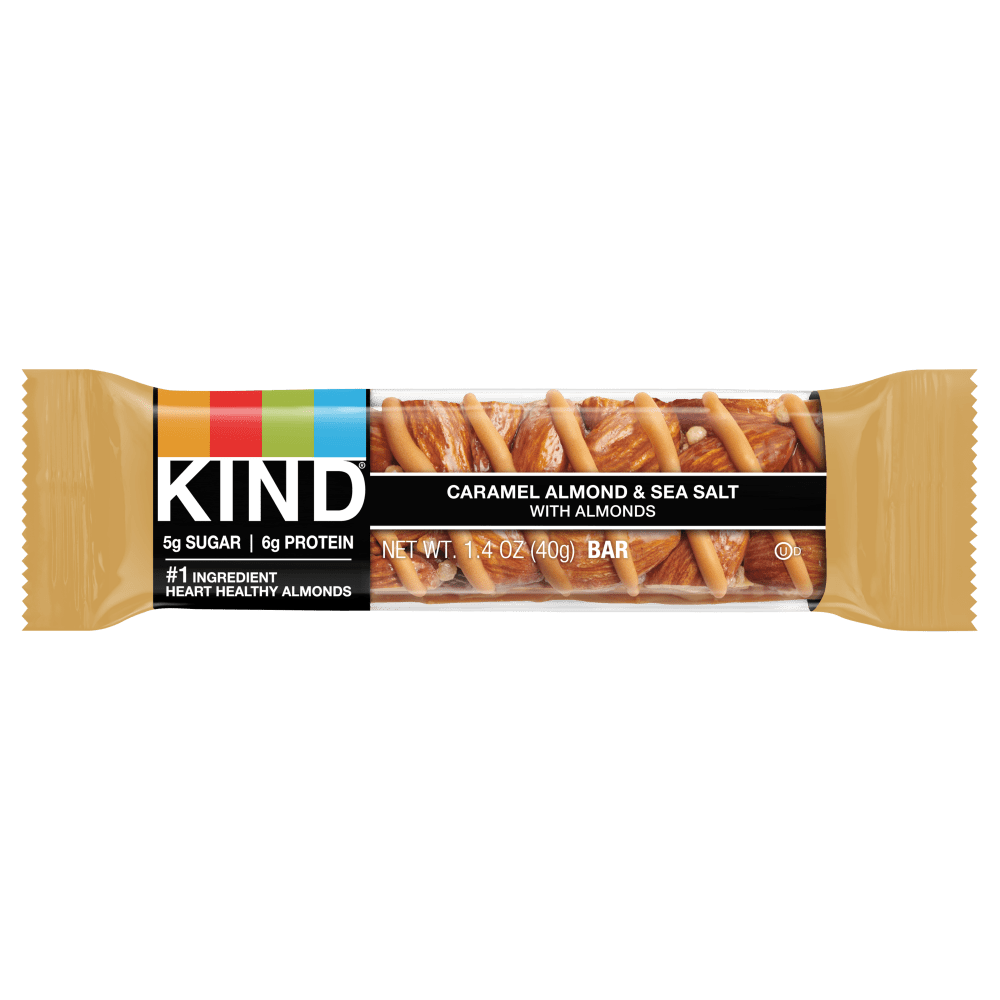


Caramel Almond & Sea salt bar
Summary
This bar contains beneficial ingredients like almonds, which are rich in healthy fats and nutrients. However, it is heavily processed with ingredients such as palm oil and glucose syrup, which are linked to health concerns when consumed in excess. The presence of added sugars and emulsifiers further contributes to its high processing level, limiting its overall healthiness despite some positive nutritional aspects.
At a glance
Key ingredients 9
AlmondsGood
Almonds are a nutrient-dense nut rich in healthy fats, protein, and fiber. They provide essential vitamins and minerals such as vitamin E and magnesium. Their consumption is associated with improved heart health and reduced inflammation.
Risks
Potential allergen for individuals with nut allergies.
Benefits
Rich in monounsaturated fats that support heart health and provide anti-inflammatory properties. High in vitamin E, which acts as an antioxidant.
Caramel Flavoured CoatingBad
The caramel flavoured coating contains palm oil and sugar, which are considered unhealthy when consumed in excess. Palm oil is high in saturated fats and its production raises environmental concerns. The sugar content contributes to increased calorie intake without nutritional benefits.
Risks
High saturated fat content from palm oil may contribute to heart disease. Excessive sugar intake can lead to weight gain and metabolic issues.
Chicory Root FibreNeutral
Chicory root fibre is a source of inulin, a prebiotic fiber that supports gut health. It is often used to increase fiber content in processed foods. While beneficial for digestion, excessive consumption may cause gastrointestinal discomfort.
Risks
Excessive intake may lead to bloating and gas in sensitive individuals.
Benefits
Supports digestive health by promoting beneficial gut bacteria.
HoneyNeutral
Honey is a natural sweetener with some antioxidant properties. It is less processed than refined sugar but still contributes to sugar intake. Its glycemic index is lower than that of refined sugar, making it a slightly better alternative.
Risks
High sugar content can contribute to weight gain and blood sugar spikes.
Benefits
Contains small amounts of antioxidants and has a lower glycemic index than refined sugar.
Glucose SyrupBad
Glucose syrup is a highly processed sweetener derived from starch. It is used to add sweetness and improve texture in processed foods. Its high glycemic index can lead to rapid spikes in blood sugar levels.
Risks
May contribute to obesity and insulin resistance when consumed in large amounts.
Rice CrispsNeutral
Rice crisps are made from puffed rice and are used to add texture to food products. They are low in nutrients and primarily composed of carbohydrates. While not inherently harmful, they offer little nutritional value.
Benefits
Provides a crunchy texture to food products.
Sea SaltGood
Unrefined sea salt — a minimally processed, natural source of sodium and essential trace minerals, and a legitimate whole-food seasoning. Treated as a positive ingredient.
Risks
Excessive salt intake can contribute to high blood pressure and cardiovascular disease.
Benefits
Contains trace minerals that may offer slight nutritional benefits over regular table salt.
Emulsifier (Sunflower Lecithin)Neutral
Sunflower lecithin is used as an emulsifier to improve texture and consistency in food products. It is derived from sunflower seeds and is considered a safer alternative to soy lecithin for those with soy allergies. It is generally recognized as safe when consumed in typical amounts.
Benefits
Helps maintain product consistency and is a suitable alternative for those with soy allergies.
Emulsifier (Soya Lecithin)Neutral
Soya lecithin is a common emulsifier used to stabilize and improve the texture of processed foods. It is derived from soybeans and is generally considered safe for consumption. However, it may be a concern for individuals with soy allergies.
Risks
Potential allergen for individuals with soy allergies.
Benefits
Helps maintain product consistency and texture.
Processing
Ultra-Processed Foods
Get the full breakdown in the Scout app
Scan any product to see lab results, healthy alternatives, and your personalized analysis.
Download on theApp Store