



At a glance
Summary
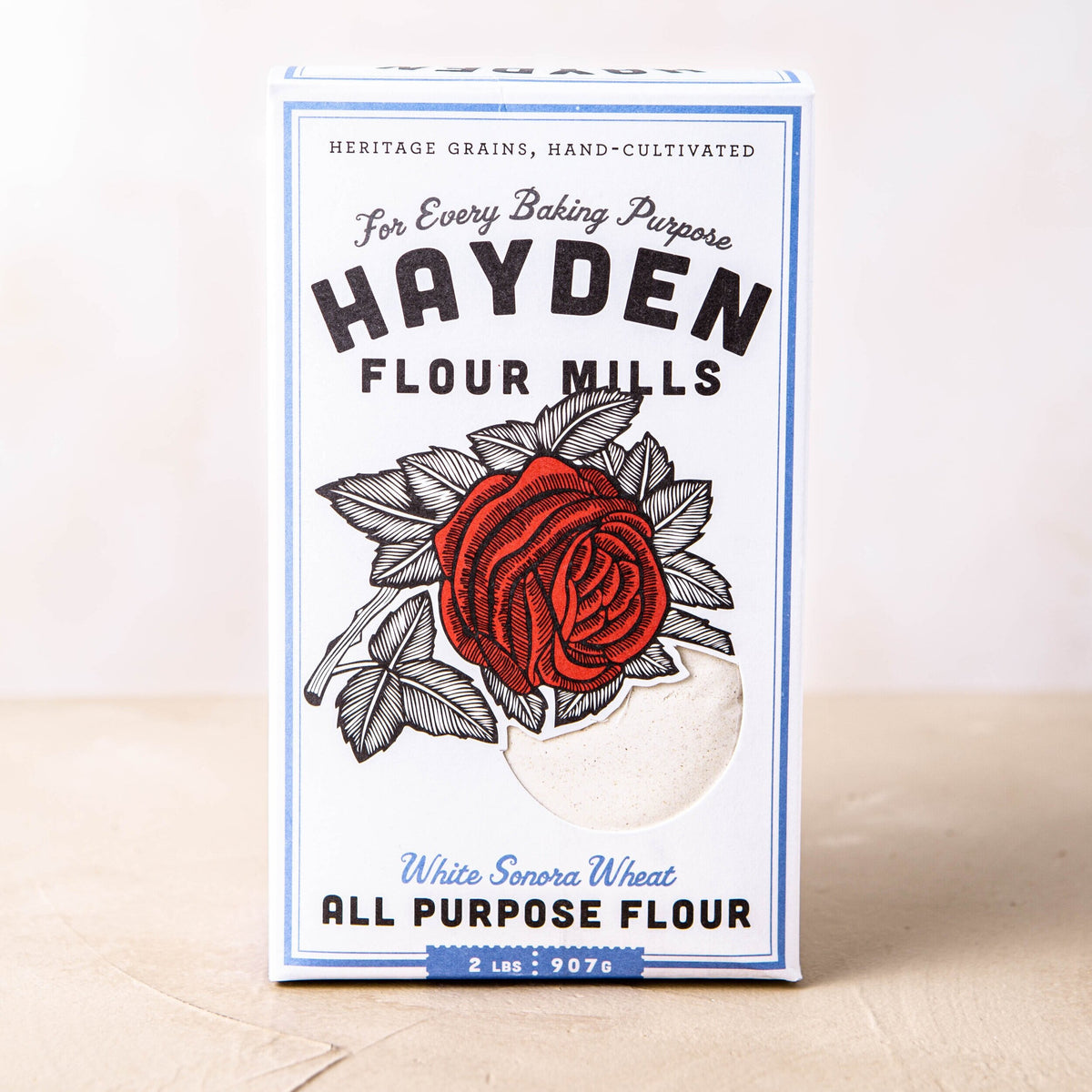
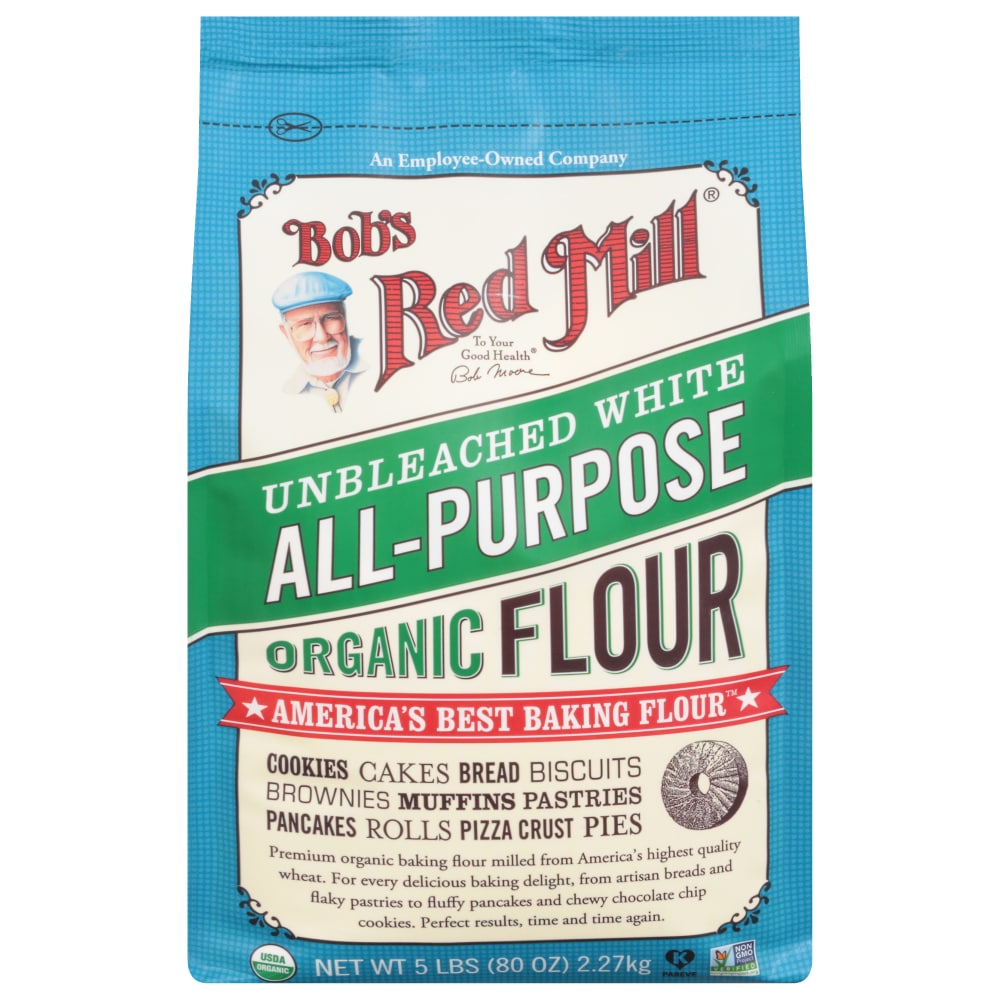
Plain white flour is a minimally processed product made primarily from wheat, with added nutrients like calcium carbonate, iron, niacin, and thiamin for fortification. While it lacks the fiber and nutrients found in whole grain flours, it is free from harmful additives and artificial ingredients, making it a relatively clean option within its category.
Key ingredients 5
NiacinGood
Beneficial ingredient — whole-food or functional value in this product class.
Risks
High doses of niacin can cause flushing, itching, and gastrointestinal issues.
Benefits
Essential for energy metabolism and maintaining healthy skin and nerves.
Calcium carbonateNeutral
Calcium carbonate is used to fortify foods with calcium, an essential mineral for bone health. It is a common additive in fortified foods to help meet dietary calcium needs. The compound is generally considered safe and effective for fortification purposes.
Risks
Excessive intake of calcium carbonate can lead to hypercalcemia, which may cause kidney stones and impaired absorption of other minerals.
Benefits
Helps increase calcium intake, supporting bone health and preventing deficiencies.
IronNeutral
Iron is an essential mineral that is added to fortified foods to prevent iron deficiency anemia. It plays a crucial role in oxygen transport and energy production in the body. Fortification helps improve iron intake in populations at risk of deficiency.
Risks
Excessive iron intake can lead to toxicity, causing symptoms like nausea and, in severe cases, organ damage.
Benefits
Supports the production of hemoglobin and myoglobin, essential for oxygen transport and muscle function.
ThiaminNeutral
Thiamin, or vitamin B1, is crucial for carbohydrate metabolism and nerve function. It is often added to fortified foods to prevent deficiencies, especially in diets low in whole grains. Thiamin fortification helps maintain adequate levels in the population.
Benefits
Supports energy production and proper nerve function, preventing conditions like beriberi.
Wheat flourBad
Refined grain flour stripped of bran and germ.
Risks
Refined wheat flour can lead to rapid spikes in blood sugar levels and may contribute to weight gain if consumed in excess.
Benefits
Provides a source of energy through carbohydrates and contains some protein, which can be beneficial in a balanced diet.
Processing
Unprocessed or Minimally Processed Foods
Get the full breakdown in the Scout appTake Scout shopping
Scan any product to see lab results, healthy alternatives, and your personalized analysis.
Download on theApp Store GET IT ONGoogle Play