

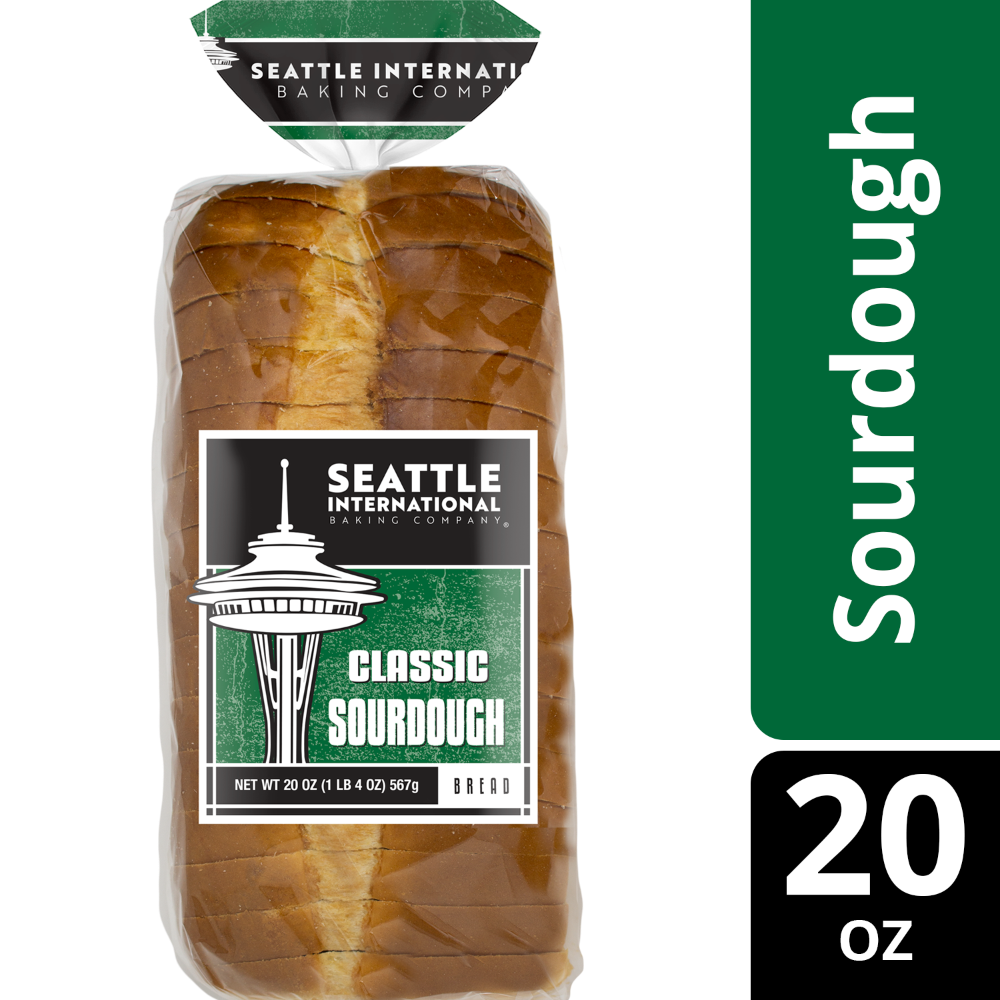


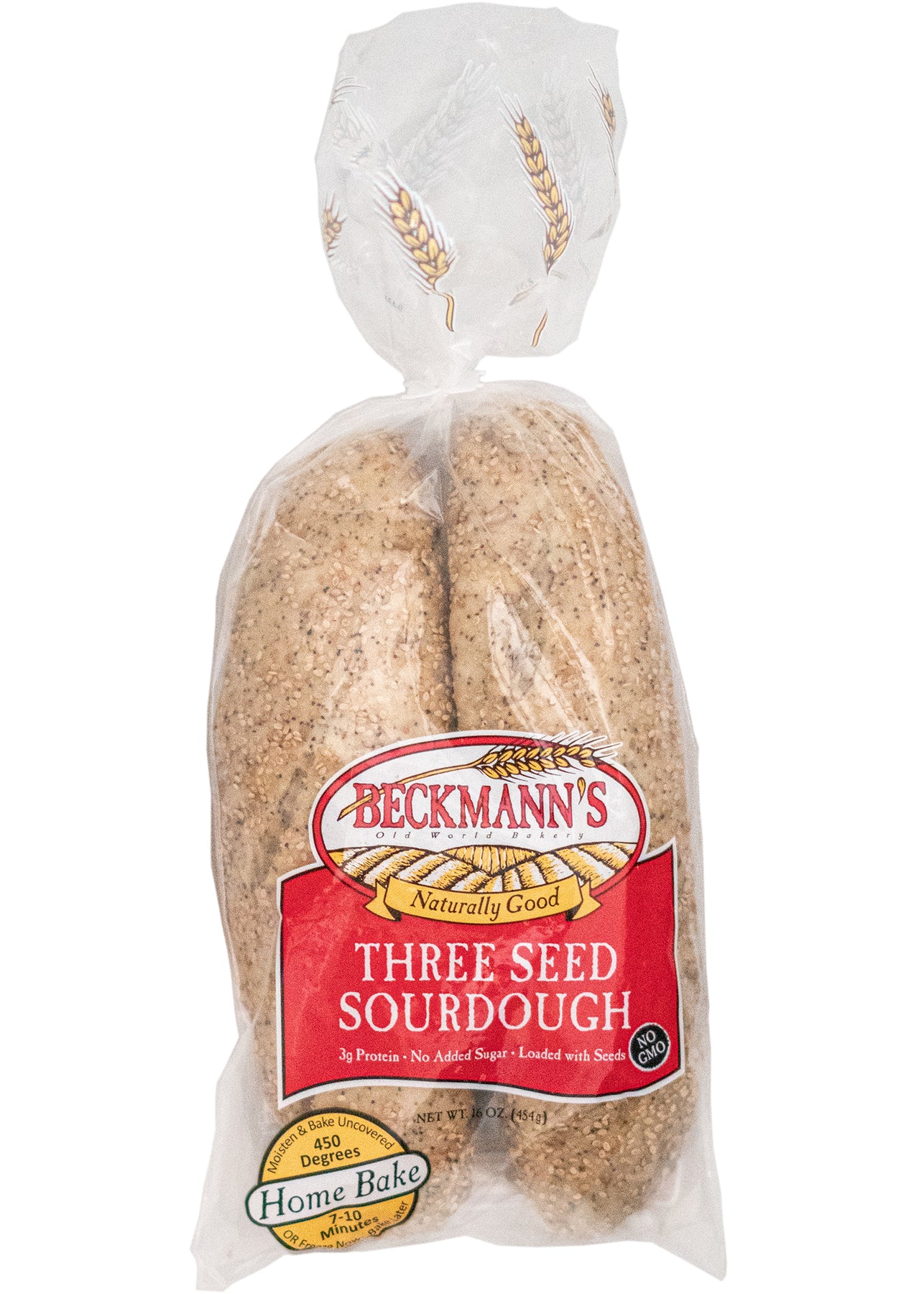
Wholemeal Bread
Summary
This wholemeal bread contains beneficial wholemeal wheat flour, which provides fiber and essential nutrients. However, it is heavily processed with multiple additives such as emulsifiers and preservatives, and includes vegetable oils like rapeseed, which are high in omega-6 fatty acids. The presence of these ingredients and the high level of processing significantly impact its healthiness.
At a glance
Key ingredients 10
Wholemeal Wheat FlourGood
Wholemeal wheat flour is a source of complex carbohydrates and dietary fiber. It retains the bran and germ, providing essential nutrients like B vitamins and minerals. Compared to refined flour, it offers better nutritional value and supports digestive health.
Risks
May cause allergic reactions in individuals with wheat allergies or gluten intolerance.
Benefits
Rich in fiber, which aids in digestion and helps maintain stable blood sugar levels. Provides essential nutrients like iron and magnesium.
WaterNeutral
Water is a neutral ingredient used as a solvent and to provide moisture in bread. It plays a crucial role in the dough formation and baking process. It does not contribute any nutritional value.
See more about Water →YeastNeutral
Yeast is a microorganism used to ferment sugars, producing carbon dioxide that helps bread rise. It is a natural leavening agent and contributes to the bread's texture and flavor. Yeast itself does not provide significant nutritional benefits.
Benefits
Contributes to the leavening and flavor of bread.
SaltNeutral
Salt is used to enhance flavor and control yeast activity in bread. It is essential for the development of gluten structure. However, excessive consumption of salt can lead to health issues.
Risks
High sodium intake can contribute to hypertension and cardiovascular diseases.
Benefits
Enhances flavor and strengthens gluten structure in bread.
Vegetable OilVery Bad
Vegetable oil, including rapeseed and sustainable palm, is a source of fats used to improve texture and shelf life. However, rapeseed oil is a seed oil high in omega-6 fatty acids, which can promote inflammation. Sustainable palm oil raises environmental concerns despite being a more stable fat.
Risks
High omega-6 content may promote inflammation when consumed in excess. Environmental concerns associated with palm oil production.
Benefits
Provides a source of fats that can improve texture and shelf life.
Wheat GlutenNeutral
Wheat gluten is added to improve the elasticity and chewiness of bread. It is a protein that helps trap air bubbles, contributing to the bread's structure. It is not suitable for individuals with gluten intolerance or celiac disease.
Risks
Can cause adverse reactions in individuals with gluten intolerance or celiac disease.
Benefits
Enhances the texture and structure of bread.
EmulsifiersBad
Emulsifiers like E471, E481, and E472e are used to improve texture and extend shelf life. They are synthetic additives that can disrupt gut health when consumed in large amounts. Their presence indicates a higher level of processing.
Risks
May disrupt gut health and contribute to inflammation when consumed excessively.
Benefits
Improve texture and extend the shelf life of bread.
Soya FlourNeutral
Soya flour is used to enhance the protein content and improve the texture of bread. It is a plant-based ingredient that can be allergenic to some individuals. It provides a source of plant protein but lacks the complete amino acid profile of animal proteins.
Risks
May cause allergic reactions in individuals with soy allergies.
Benefits
Enhances protein content and improves texture.
PreservativeBad
Calcium propionate is used as a preservative to inhibit mold growth and extend shelf life. It is a synthetic additive that can cause digestive discomfort in sensitive individuals. Its use indicates a higher level of processing.
Risks
May cause digestive discomfort and potential allergic reactions in sensitive individuals.
Benefits
Prevents mold growth and extends shelf life.
Flour Treatment AgentNeutral
Ascorbic acid, also known as vitamin C, is used as a flour treatment agent to improve dough strength and volume. It is a natural antioxidant that helps maintain the quality of the bread. It does not pose significant health risks.
Benefits
Improves dough strength and volume, and acts as an antioxidant.
Processing
Ultra-Processed Foods
Get the full breakdown in the Scout app
Scan any product to see lab results, healthy alternatives, and your personalized analysis.
Download on theApp Store