
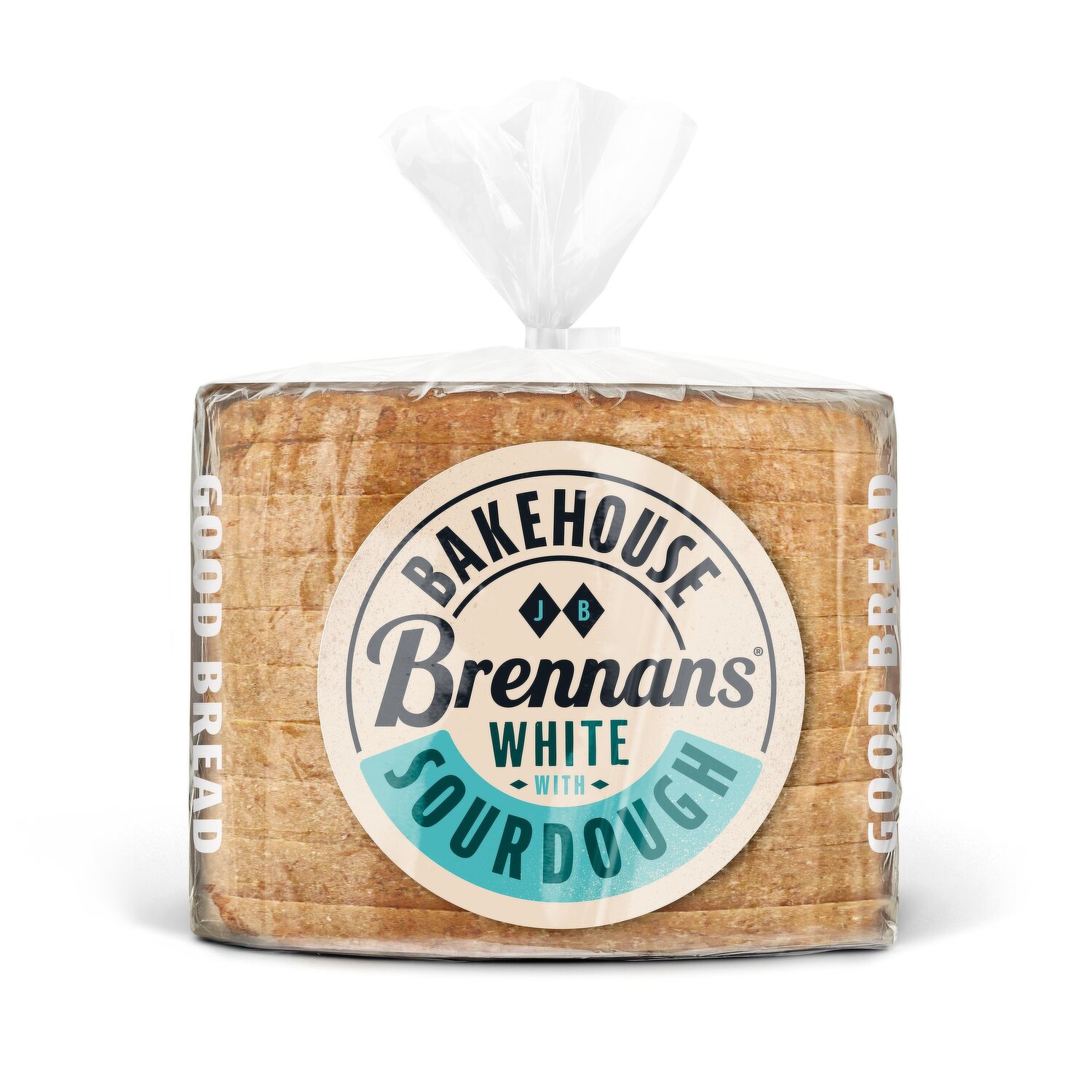
Bakehouse White with Sourdough

Brennan’s
65 Fair
View on Amazon

Summary

This bread is moderately processed and contains soya flour, which is a processed ingredient that may affect mineral absorption and can be an allergen. Despite having a relatively clean label with no artificial additives, the presence of a processed ingredient and the overall processing level limit its healthiness compared to less processed options.

At a glance

Beneficial ingredients 0
Harmful ingredients 1
Category Bread

Key ingredients 8

Wheat Flour
Neutral

Wheat flour is a staple ingredient in bread, providing structure and texture. It is typically refined, which removes the bran and germ, reducing fiber and nutrient content. While it is a common ingredient, it lacks the nutritional benefits of whole grain alternatives.

Risks

Refined wheat flour can contribute to blood sugar spikes and lacks fiber.

Benefits

Provides essential carbohydrates and energy.

See more about Wheat Flour →
Water
Neutral

Water is a fundamental ingredient in bread making, hydrating the flour and activating yeast. It is essential for dough formation and texture. As a natural and unprocessed ingredient, it poses no health risks.

Benefits

Essential for hydration and dough consistency.

See more about Water →
Yeast
Neutral

Yeast is a microorganism used to ferment sugars, producing carbon dioxide and causing dough to rise. It is a natural leavening agent that enhances bread texture. Yeast is generally considered safe and beneficial for bread making.

Benefits

Contributes to bread leavening and flavor development.

See more about Yeast →
Dried Rye Sourdough
Neutral

Dried rye sourdough adds flavor and a mild sourness to the bread. It is made by fermenting rye flour with lactic acid bacteria and yeast. While it enhances taste, the drying process may reduce some probiotic benefits.

Benefits

Enhances flavor and may improve digestibility.

Salt
Neutral

Salt is used in bread to enhance flavor and control yeast activity. It is a common culinary ingredient but should be consumed in moderation. Excessive salt intake can lead to health issues such as hypertension.

Risks

High sodium intake can contribute to hypertension and cardiovascular issues.

Benefits

Enhances flavor and regulates yeast fermentation.

See more about Salt →
Soya Flour
Bad

Soya flour is used to improve dough handling and increase protein content. However, it is a processed ingredient that may contain anti-nutrients affecting mineral absorption. It can also be an allergen for some individuals.

Risks

May contain anti-nutrients and is a common allergen.

Benefits

Increases protein content and improves dough texture.

Fermented Wheat Flour
Neutral

Fermented wheat flour is used to enhance flavor and improve dough texture. The fermentation process can increase digestibility and nutrient availability. It is a traditional method that adds complexity to bread.

Benefits

May improve digestibility and nutrient absorption.

Flour Treatment Agent
Neutral

Flour treatment agents are used to improve dough handling and bread quality. They are typically added in small amounts and are considered safe by food safety authorities. The specific agent used is not identified, which limits detailed analysis.

Benefits

Improves dough handling and bread quality.

Processing

Group 3 · Processed

Processed Foods

Get the full breakdown in the Scout app

Scan any product to see lab results, healthy alternatives, and your personalized analysis.

Download on theApp Store