



At a glance
Summary
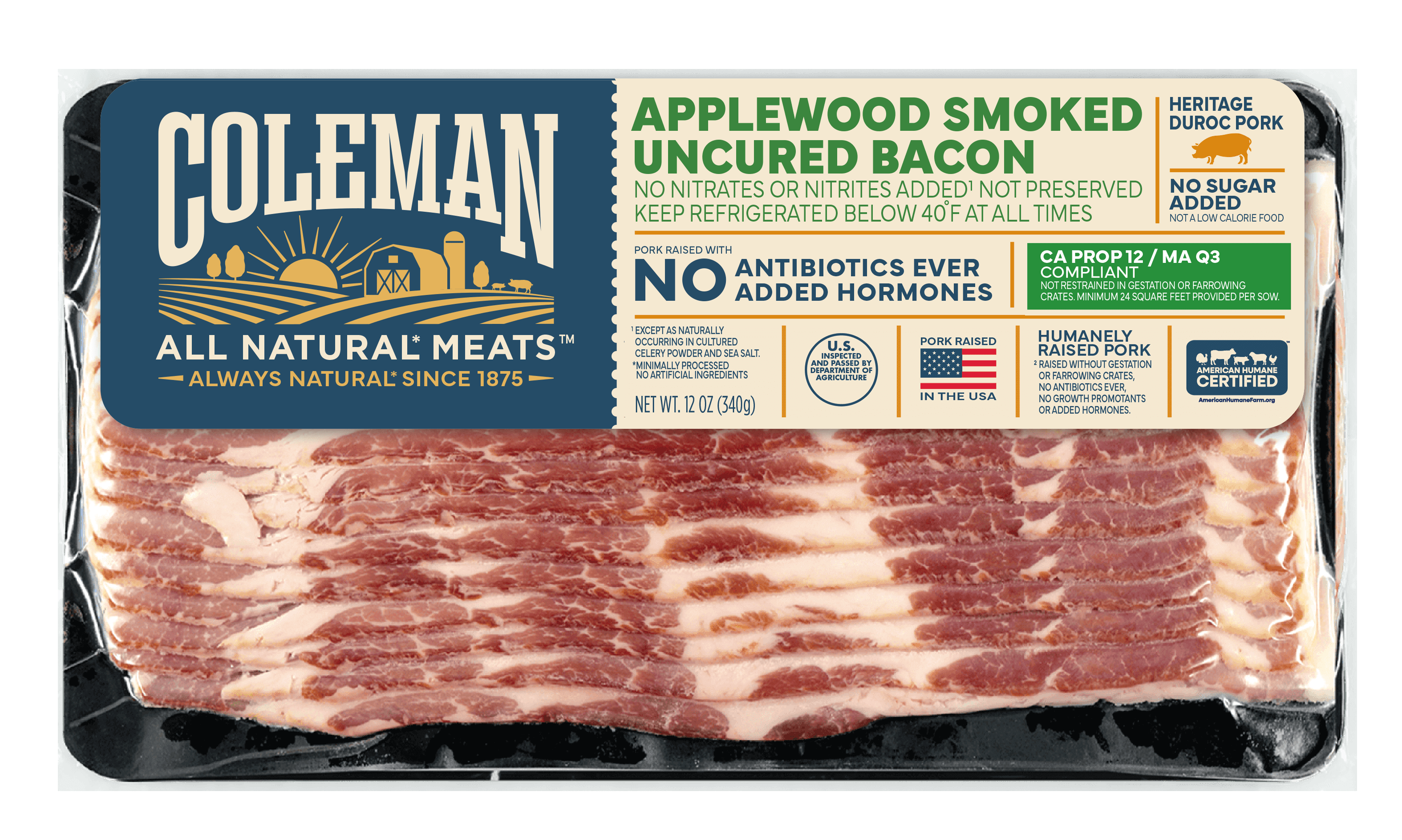
This smoked back bacon is made from high-quality outdoor-bred pork, which is a positive aspect due to better animal welfare and potentially enhanced nutritional value. However, the presence of sodium nitrite and potassium nitrate as preservatives raises health concerns due to their potential to form harmful compounds. The product is processed, which limits its score despite the use of sea salt and minimal additives.
Key ingredients 5
British Outdoor Bred RSPCA Assured PorkGood
This pork is sourced from outdoor-bred pigs, ensuring better animal welfare and potentially higher quality meat. The RSPCA assurance indicates adherence to specific welfare standards. Outdoor breeding can lead to improved flavor and nutritional profile compared to conventional pork.
Benefits
Provides a good source of protein and essential nutrients, with potential for better taste and quality due to outdoor breeding practices.
Sea SaltGood
Sea salt is a minimally processed source of sodium and trace minerals. It is often preferred over refined table salt due to its natural mineral content. The use of sea salt can enhance flavor without the additives found in refined salts.
Risks
Excessive sodium intake can lead to high blood pressure and other cardiovascular issues.
Benefits
Contains trace minerals that can be beneficial for health, and enhances the flavor of foods naturally.
SugarBad
Refined added sugar.
Risks
Excessive consumption of sugar can lead to health issues such as obesity and diabetes.
Potassium NitrateBad
Potassium nitrate is used as a preservative and color fixative in cured meats. It helps maintain the pink color and prevent bacterial growth. However, it can convert to nitrites, which have potential health concerns.
Risks
Potential conversion to nitrites, which are associated with an increased risk of certain cancers when consumed in large amounts.
Benefits
Helps preserve the product and maintain its color, extending shelf life.
Sodium NitriteBad
Sodium nitrite is commonly used in processed meats to prevent spoilage and enhance color. It is effective in inhibiting bacterial growth, particularly Clostridium botulinum. However, it can form nitrosamines, which are carcinogenic.
Risks
Associated with the formation of nitrosamines, which are linked to an increased risk of cancer.
Benefits
Prevents bacterial growth and helps maintain the appealing color of cured meats.
Processing
Processed Foods
Get the full breakdown in the Scout appTake Scout shopping
Scan any product to see lab results, healthy alternatives, and your personalized analysis.
Download on theApp Store GET IT ONGoogle Play