


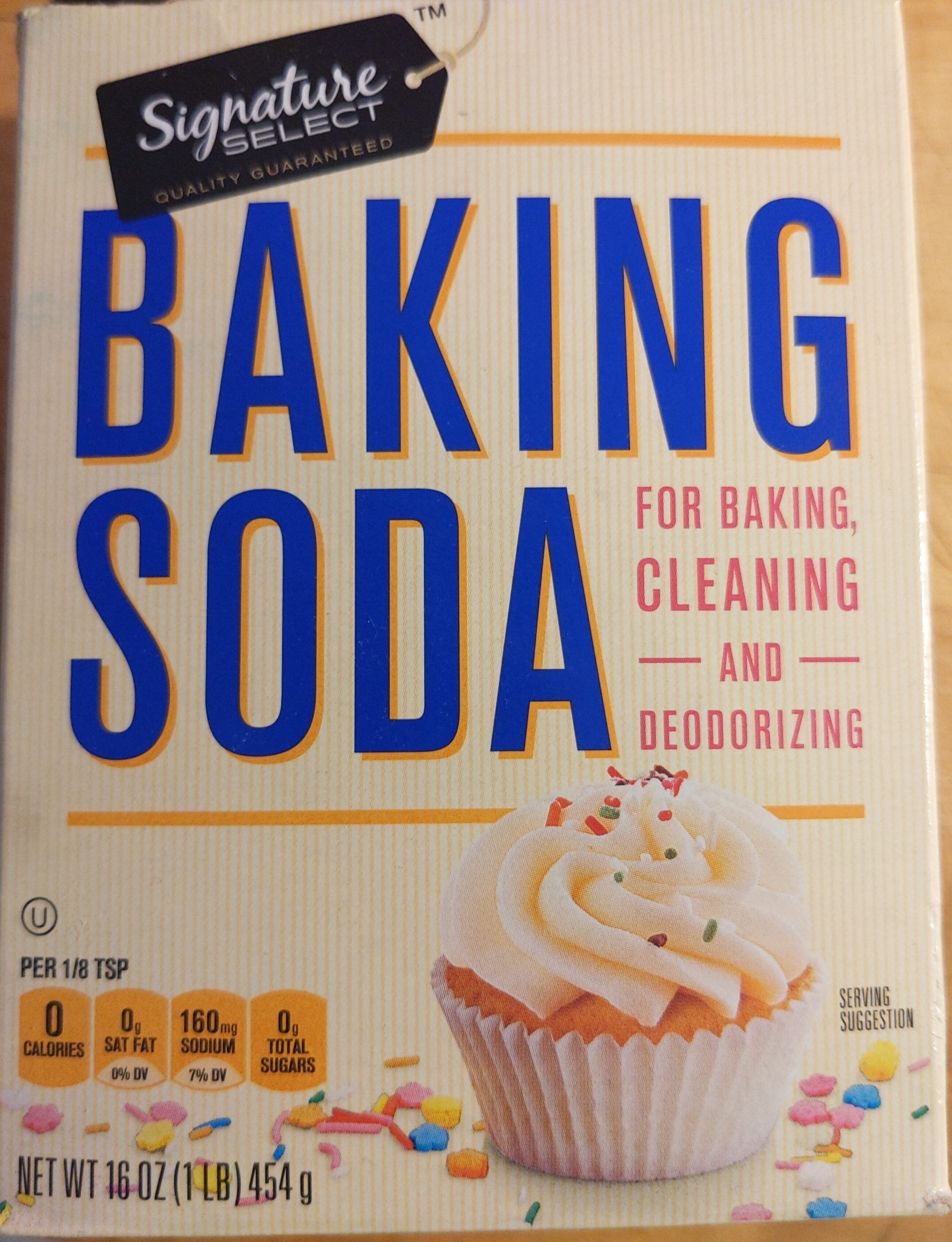
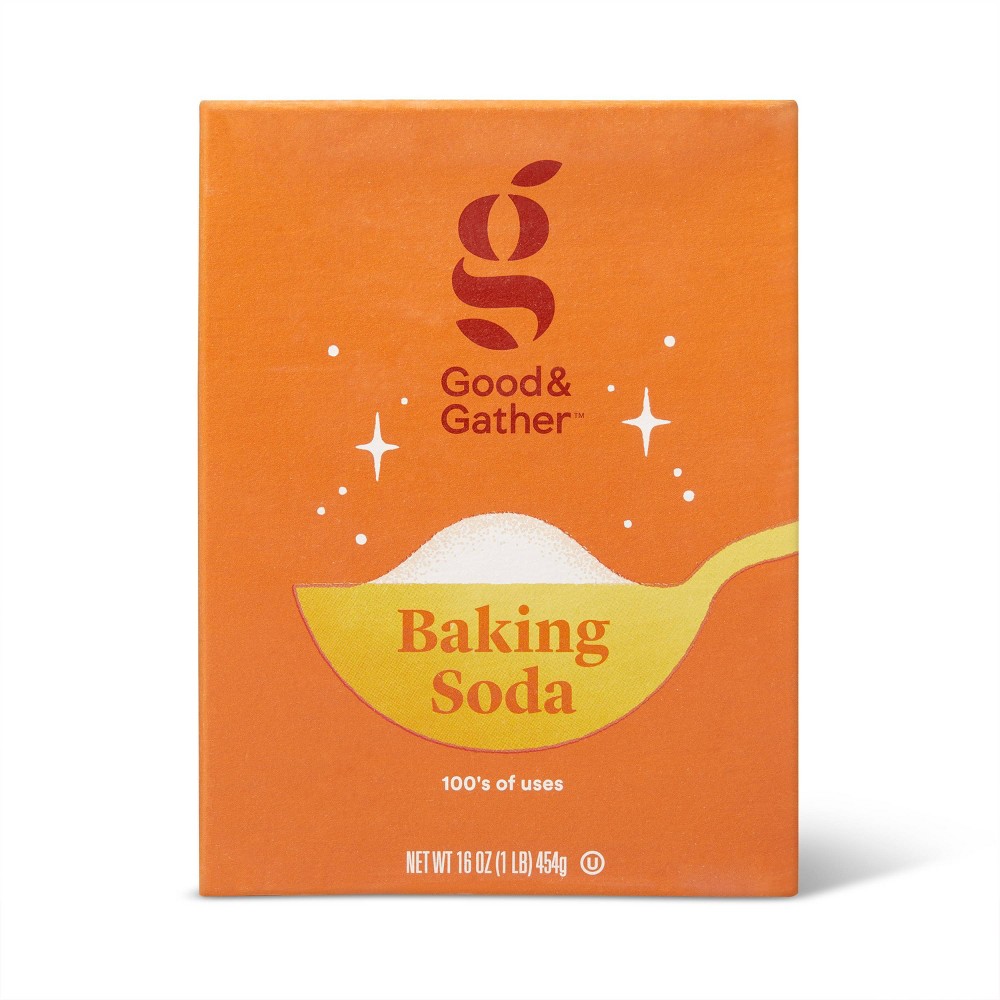

Borwick's Bicarbonate of Soda
Analysis updated August 2026 · How Scout scores
At a glance
Summary
This product is primarily composed of sodium bicarbonate, a single-ingredient, minimally processed substance. While it lists potential allergens like peanuts, nuts, sesame, soya, wheat, and milk, these are likely due to cross-contamination warnings rather than actual ingredients. The minimal processing and absence of harmful additives contribute to its high rating.
Key ingredients 8
PeanutsGood
Beneficial ingredient — whole-food or functional value in this product class.
See more about Peanuts →MilkGood
Whole dairy ingredient.
See more about Milk →Sodium BicarbonateNeutral
Sodium Bicarbonate is a common baking ingredient used to help dough rise and is generally considered safe in typical amounts.
See more about Sodium Bicarbonate →Wheat (Gluten)Neutral
Standard formulation ingredient — neither beneficial nor harmful at typical use.
See more about Wheat (Gluten) →LactoseNeutral
Standard formulation ingredient — neither beneficial nor harmful at typical use.
See more about Lactose →NutsBad
Nuts are known allergens and may pose health risks for people with nut allergies.
See more about Nuts →SesameBad
Sesame is a common allergen that can trigger allergic responses in some consumers.
See more about Sesame →SoyaBad
Soya can be an allergen for some individuals and is often avoided by those with soy sensitivities.
Processing
Unprocessed or Minimally Processed Foods
Get the full breakdown in the Scout appTake Scout shopping
Scan any product to see lab results, healthy alternatives, and your personalized analysis.
Download on theApp Store GET IT ONGoogle PlayAmazon pricing & content
Amazon price as of . Product prices and availability are accurate as of the date/time indicated and are subject to change. Any price and availability information displayed on Amazon.com at the time of purchase will apply to the purchase of this product.
CERTAIN CONTENT THAT APPEARS ON THIS SITE COMES FROM AMAZON. THIS CONTENT IS PROVIDED “AS IS” AND IS SUBJECT TO CHANGE OR REMOVAL AT ANY TIME.