


At a glance
Summary
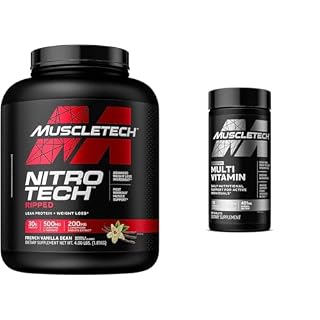
This protein powder features whey protein hydrolysate, a high-quality and easily digestible protein source. However, it contains sucralose, an artificial sweetener, which may have potential long-term health effects, and phosphoric acid, which can contribute to acidity and affect bone health if consumed excessively. The presence of these additives and the level of processing impact the overall score.
Key ingredients 6
Whey Protein HydrolysateGood
Whey protein hydrolysate is a high-quality protein source that is easily digestible and rapidly absorbed. It provides a complete amino acid profile, supporting muscle repair and growth. This ingredient is derived from milk and is beneficial for those seeking to increase protein intake efficiently.
Benefits
Rich in essential amino acids, it supports muscle recovery and growth, making it ideal for athletes and active individuals.
Citric AcidNeutral
Citric acid is a natural acid found in citrus fruits and is used as a flavoring and preservative. It is generally recognized as safe and is commonly used in food products. While it can enhance flavor, it does not provide significant nutritional benefits.
Risks
In rare cases, it may cause irritation in individuals with sensitive stomachs.
PolydimethylsiloxaneNeutral
Polydimethylsiloxane is used as an anti-foaming agent in food products. It is considered safe for consumption in small amounts. Its primary function is to prevent excessive foaming during processing.
Silicon DioxideNeutral
Silicon dioxide is used as an anti-caking agent to prevent clumping in powdered products. It is generally recognized as safe and is commonly used in food processing. It does not contribute any nutritional value.
See more about Silicon Dioxide →Phosphoric AcidBad
Phosphoric acid is used as a stabilizer and can contribute to acidity in the body. Excessive consumption may lead to imbalances in calcium and phosphorus levels. It is often used in processed foods and beverages, which can be a concern for bone health if consumed in large amounts.
Risks
High intake may lead to reduced bone density and increased risk of osteoporosis.
SucraloseBad
Sucralose is an artificial sweetener used to provide sweetness without calories. It is highly processed and may affect gut health by altering the microbiome. While it is calorie-free, concerns about its long-term health effects persist.
Risks
Potential to disrupt gut bacteria and may lead to digestive issues in some individuals.
Benefits
Provides sweetness without adding calories, which can be beneficial for weight management.
Processing
Ultra-Processed Foods
Get the full breakdown in the Scout appTake Scout shopping
Scan any product to see lab results, healthy alternatives, and your personalized analysis.
Download on theApp Store GET IT ONGoogle Play