



At a glance
Summary
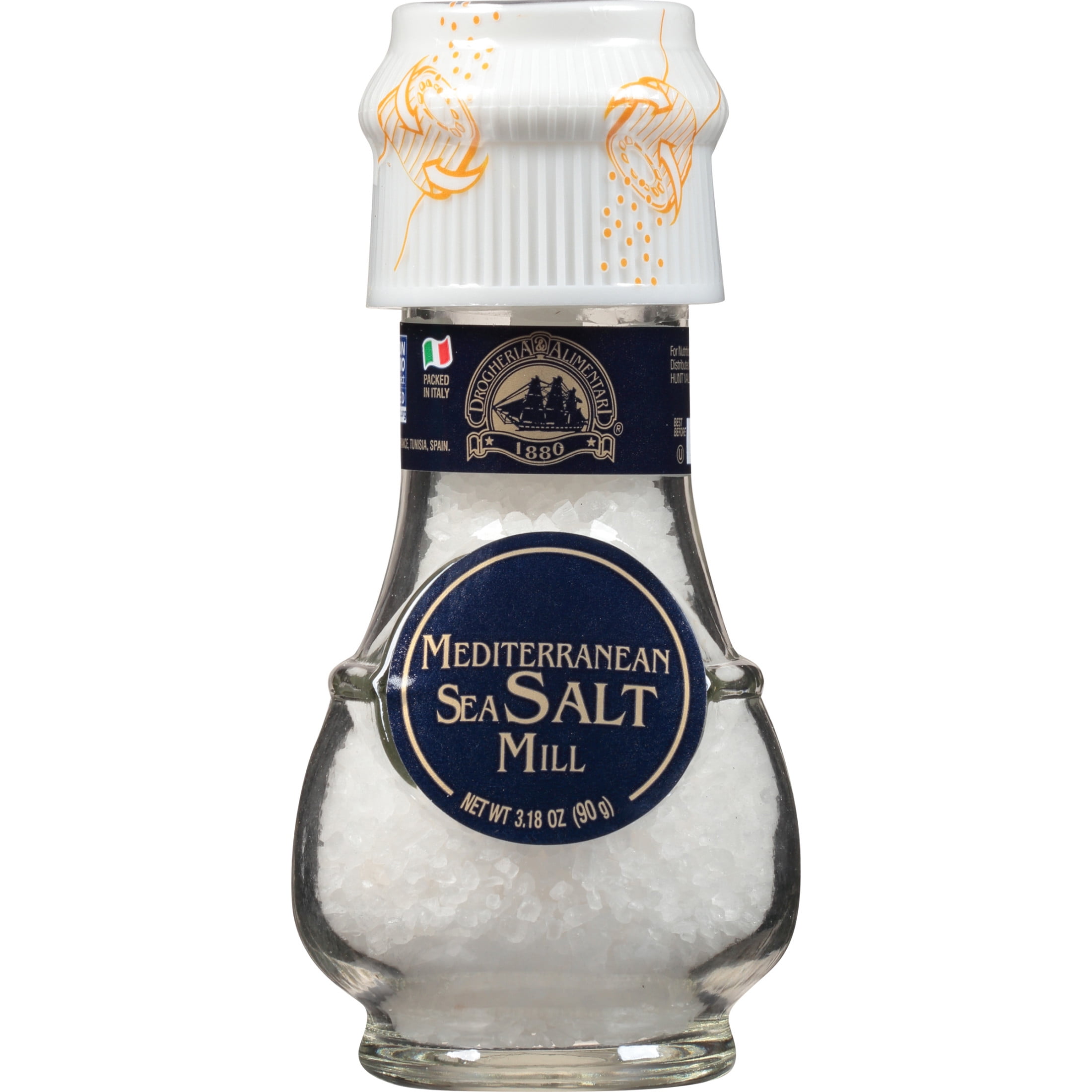
This product consists primarily of natural sea salt, which is a minimally processed source of sodium and trace minerals. However, the inclusion of the anti-caking agent E-535, a synthetic additive, indicates a level of processing beyond natural salt extraction. While the additive is generally recognized as safe, its presence slightly reduces the product's overall purity and simplicity.
Key ingredients 2
Natural sea saltGood
Natural sea salt is a minimally processed source of sodium and trace minerals. It is harvested from evaporated seawater and retains beneficial minerals like magnesium and calcium. Compared to refined table salt, it offers a more complex mineral profile.
Risks
Excessive consumption of sodium can lead to high blood pressure and cardiovascular issues.
Benefits
Provides essential minerals that support electrolyte balance and overall health. Enhances flavor in foods naturally.
Anti-caking agent E-535Bad
E-535, also known as sodium ferrocyanide, is used to prevent clumping in salt. While generally recognized as safe, it is a synthetic additive. Its presence indicates processing beyond natural salt extraction.
Risks
Potential concerns include the presence of cyanide compounds, though they are considered safe at regulated levels.
Processing
Processed Culinary Ingredients
Get the full breakdown in the Scout appTake Scout shopping
Scan any product to see lab results, healthy alternatives, and your personalized analysis.
Download on theApp Store GET IT ONGoogle Play