

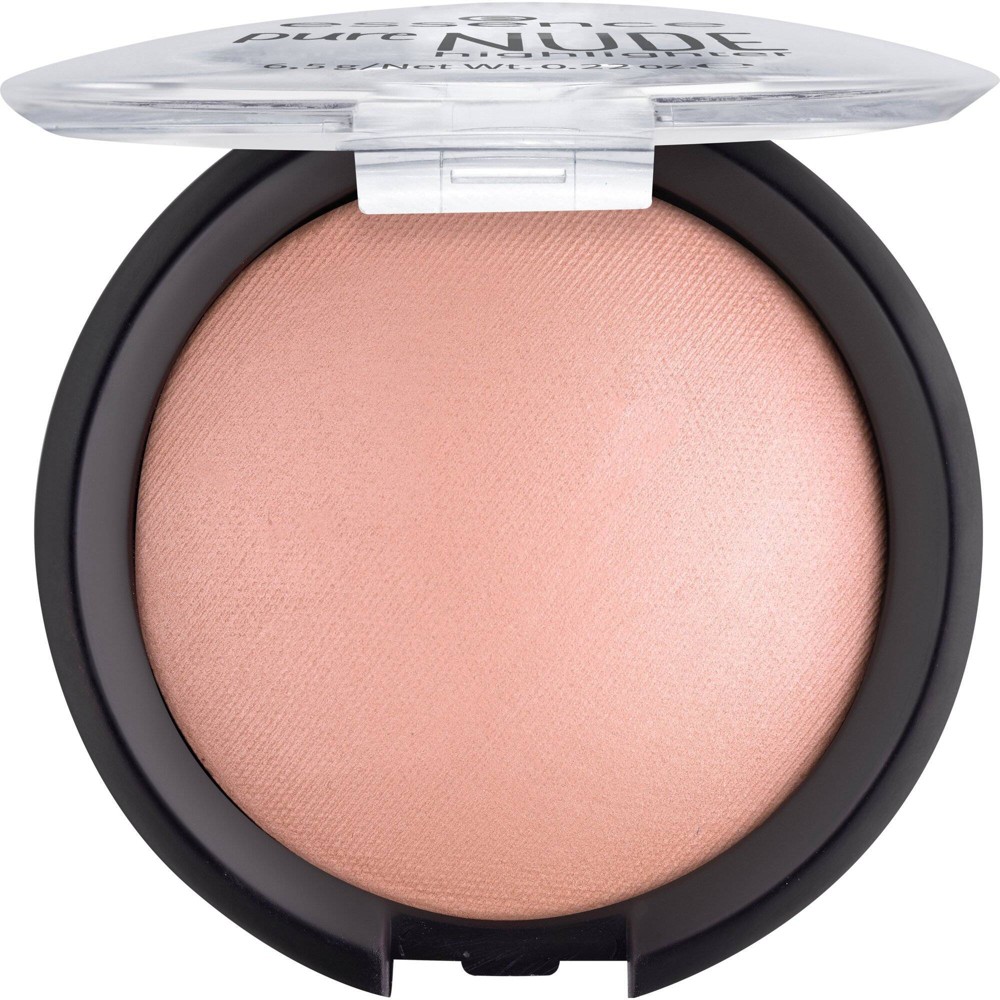

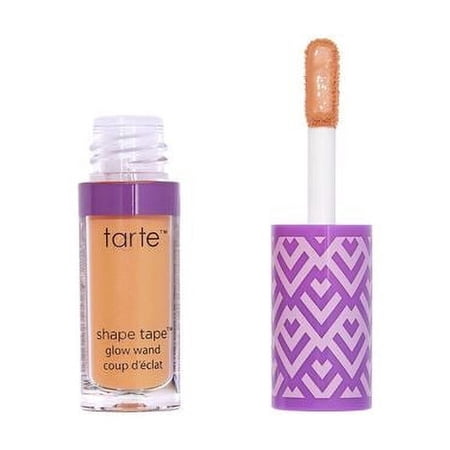

Charlotte Tilbury Hollywood Beauty Light Wand Highlighter
Analysis updated July 2026 · How Scout scores
At a glance
Summary
This highlighter contains a mix of safe and synthetic ingredients. While it includes beneficial components like glycerin and mica, it also contains synthetic preservatives such as phenoxyethanol and ethylhexylglycerin. The presence of these synthetic compounds and the level of processing involved prevent it from achieving a higher score, despite the absence of major harmful chemicals.
Key ingredients 21
MicaGood
Beneficial ingredient — whole-food or functional value in this product class.
Risks
Potential for minor skin irritation in sensitive individuals.
Benefits
Adds shimmer and enhances the visual appeal of the product.
GlycerinGood
Glycerin is a humectant that attracts moisture to the skin. It helps in keeping the skin hydrated and smooth. It is a beneficial ingredient in skincare and cosmetics.
Risks
Generally safe with no significant risks.
Benefits
Helps in maintaining skin hydration.
Iron Oxides (Ci 77491)Good
Beneficial ingredient — whole-food or functional value in this product class.
Benefits
Provides stable and safe pigmentation.
Aqua/Water/EauNeutral
Water is a common solvent used in cosmetics to dissolve other ingredients. It helps in the application and absorption of the product. It does not provide any direct benefits or risks.
Benefits
No direct benefits, but it aids in product formulation.
Hydrogenated DideceneNeutral
Hydrogenated Didecene is an emollient that provides a smooth application. It is used to improve the texture of the product. It is generally considered safe for use in cosmetics.
Benefits
Improves texture and application of the product.
IsododecaneNeutral
Isododecane is a solvent that helps in the even distribution of the product. It evaporates quickly, leaving a smooth finish. It is commonly used in long-wear cosmetics.
Benefits
Contributes to a smooth, long-lasting finish.
PropanediolNeutral
Propanediol is a solvent and humectant used to improve texture and moisture retention. It is derived from corn sugar and is considered safe for use. It enhances the spreadability of the product.
Benefits
Improves texture and moisture retention.
Cetyl PEG/PPG-10/1 DimethiconeNeutral
This is a silicone-based compound used for its emollient and conditioning properties. It provides a smooth application and helps in forming a protective barrier on the skin. It is widely used in cosmetics for its texture-enhancing properties.
Risks
Potential for minor skin irritation in sensitive individuals.
Benefits
Improves application and provides a smooth finish.
SilicaNeutral
Silica is used as a thickening agent and to improve the texture of cosmetics. It helps in oil absorption and provides a matte finish. It is considered safe for use in cosmetics.
Risks
Inhalation of fine silica particles can be harmful, but this is not a concern in liquid formulations.
Benefits
Improves texture and provides a matte finish.
Sodium ChlorideNeutral
Sodium Chloride, or table salt, is used as a thickening agent in cosmetics. It helps in stabilizing the formulation. It is generally considered safe for use in cosmetics.
Benefits
Stabilizes the formulation.
Hydrogenated Styrene/Isoprene CopolymerNeutral
This copolymer is used as a film-forming agent to provide a long-lasting effect. It helps in improving the wear time of the product. It is considered safe for use in cosmetics.
Benefits
Enhances the longevity of the product.
HydroxyacetophenoneNeutral
Hydroxyacetophenone is an antioxidant and preservative used to protect the product from degradation. It helps in maintaining the stability of the formulation. It is considered safe for use in cosmetics.
Benefits
Protects the product from degradation.
Polyglyceryl-4 IsostearateNeutral
This is an emulsifier used to blend oil and water components in cosmetics. It helps in maintaining the consistency of the product. It is considered safe for use in cosmetics.
Benefits
Maintains product consistency.
1, 2-HexanediolNeutral
1, 2-Hexanediol is a solvent and preservative used to enhance the stability of cosmetics. It helps in preventing microbial growth. It is considered safe for use in cosmetics.
Benefits
Enhances product stability and prevents microbial growth.
Caprylyl GlycolNeutral
Caprylyl Glycol is a skin-conditioning agent that also acts as a preservative. It helps in maintaining skin hydration. It is considered safe for use in cosmetics.
Benefits
Maintains skin hydration and product preservation.
TriethoxycaprylylsilaneNeutral
Triethoxycaprylylsilane is a silicone-based compound used to improve the adhesion of pigments. It helps in providing a smooth application. It is considered safe for use in cosmetics.
Benefits
Improves pigment adhesion and application.
Trisodium Ethylenediamine DisuccinateNeutral
This is a chelating agent used to stabilize cosmetic formulations. It helps in preventing the degradation of the product. It is considered safe for use in cosmetics.
Benefits
Stabilizes the formulation and prevents degradation.
Lindera Strychnifolia Root ExtractNeutral
This botanical extract is used for its potential antioxidant properties. It may help in protecting the skin from environmental damage. It is considered safe for use in cosmetics.
Benefits
Potential antioxidant benefits for the skin.
EthylhexylglycerinNeutral
Ethylhexylglycerin is a preservative and skin-conditioning agent. It helps in enhancing the efficacy of other preservatives. It is considered safe for use in cosmetics.
Benefits
Enhances preservative efficacy and conditions the skin.
Titanium Dioxide (Ci 77891)Neutral
Titanium Dioxide is a mineral used as a pigment and UV filter in cosmetics. It provides opacity and sun protection. It is considered safe for use in cosmetics.
Risks
Inhalation of fine particles can be harmful, but this is not a concern in liquid formulations.
Benefits
Provides pigmentation and sun protection.
PhenoxyethanolBad
Processed additive flagged under Scout's ingredient doctrine.
Risks
Potential for minor skin irritation in sensitive individuals.
Benefits
Prevents microbial growth and extends shelf life.
Get the full breakdown in the Scout appTake Scout shopping
Scan any product to see lab results, healthy alternatives, and your personalized analysis.
Download on theApp Store GET IT ONGoogle PlayAmazon pricing & content
Amazon price as of . Product prices and availability are accurate as of the date/time indicated and are subject to change. Any price and availability information displayed on Amazon.com at the time of purchase will apply to the purchase of this product.
CERTAIN CONTENT THAT APPEARS ON THIS SITE COMES FROM AMAZON. THIS CONTENT IS PROVIDED “AS IS” AND IS SUBJECT TO CHANGE OR REMOVAL AT ANY TIME.