
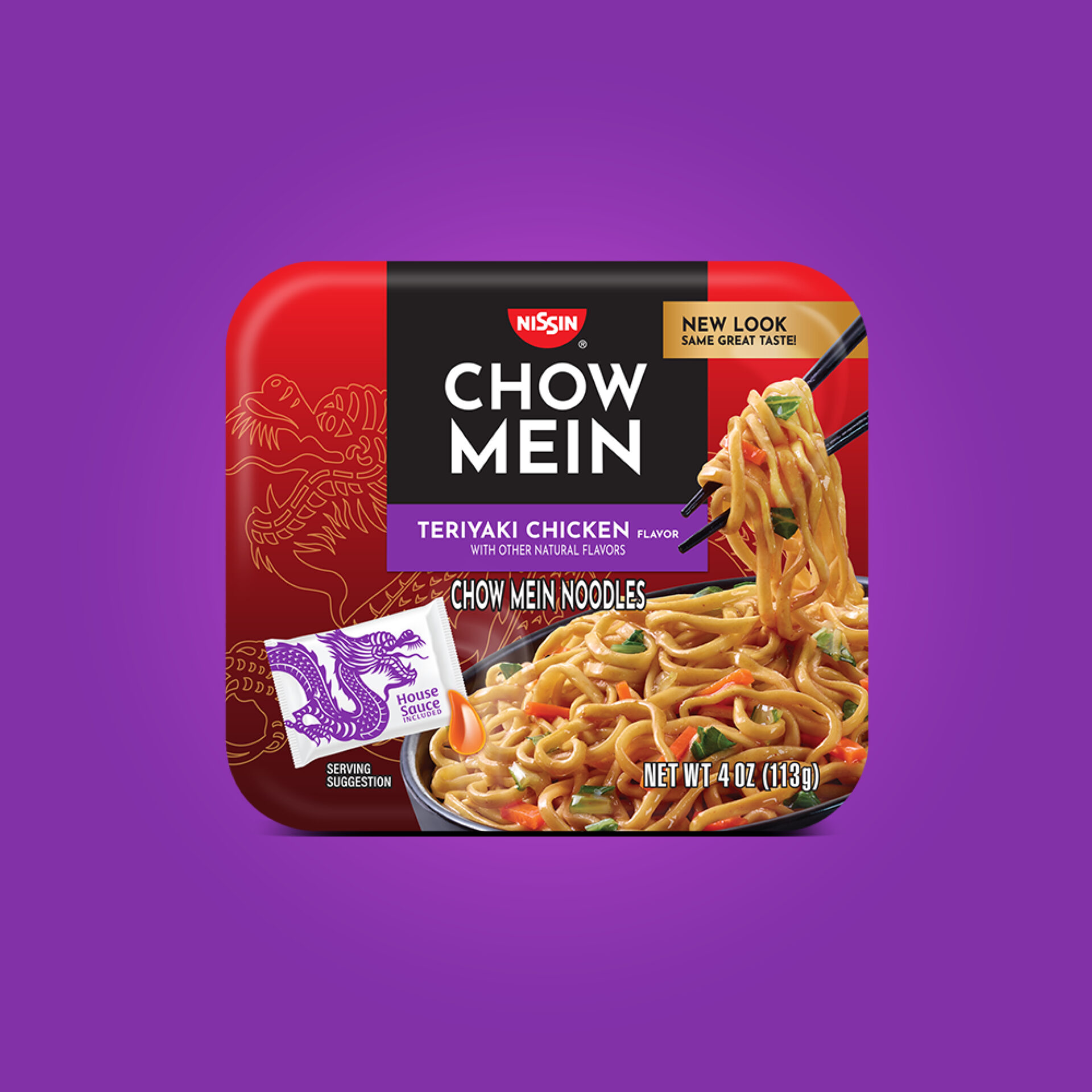


Teriyaki Chicken Noodles
Summary
This product contains a mix of beneficial ingredients like lean chicken, garlic, and various vegetables, which contribute to its nutritional value. However, the presence of canola oil, a refined seed oil, and the overall processing level of the product limit its healthiness. The use of processed sauces and noodles further impacts the score, despite the inclusion of whole food ingredients.
At a glance
Key ingredients 14
Fettuccine or chow mein noodlesNeutral
Noodles are a staple carbohydrate source in many diets. They provide energy but are often refined and lack fiber. Whole grain versions would offer more nutritional benefits.
Risks
Refined noodles can contribute to blood sugar spikes and lack essential nutrients.
Benefits
Provides a quick source of energy and can be a versatile base for meals.
Neutral cooking oilNeutral
Neutral cooking oils are often used for their high smoke points and lack of flavor. They are typically refined and may include oils like canola or sunflower. These oils are processed and can be high in omega-6 fatty acids.
Risks
High omega-6 content may promote inflammation when consumed in excess.
Benefits
Provides a stable cooking medium with a high smoke point.
Ground chickenGood
Ground chicken is a lean source of protein that supports muscle maintenance and growth. It is less fatty than other meats, making it a healthier option. Choosing organic or pasture-raised options can enhance nutritional quality.
Risks
Potential risk of contamination if not cooked properly.
Benefits
Rich in protein and essential amino acids, supporting muscle health.
GarlicVery Good
Garlic is known for its potential health benefits, including antimicrobial and anti-inflammatory properties. It contains allicin, which may support heart health. Fresh garlic is more beneficial than processed forms.
Benefits
May support immune function and cardiovascular health.
Teriyaki sauceNeutral
Teriyaki sauce adds flavor but often contains high levels of sodium and sugar. It is typically made from soy sauce, sugar, and other flavorings. Moderation is key to avoid excessive sodium intake.
Risks
High sodium content can contribute to hypertension if consumed in excess.
Benefits
Enhances flavor and can encourage consumption of healthy foods.
Red bell pepperVery Good
Red bell peppers are rich in vitamins A and C, supporting immune health and skin integrity. They are low in calories and high in antioxidants. Fresh peppers provide more nutrients than cooked ones.
Benefits
High in antioxidants and vitamins, supporting overall health.
Broccoli floretsVery Good
Broccoli is a nutrient-dense vegetable high in fiber, vitamins C and K, and antioxidants. It supports digestive health and may reduce inflammation. Steaming preserves most of its nutrients.
Benefits
Supports immune function and digestive health.
Diced boneless skinless chicken breastsGood
Chicken breast is a lean protein source that supports muscle growth and repair. It is low in fat and calories compared to other cuts. Opting for organic or free-range can improve quality.
Risks
Potential risk of contamination if not cooked properly.
Benefits
Provides high-quality protein and essential nutrients.
Par cooked noodlesNeutral
Par cooked noodles are partially cooked to reduce preparation time. They are convenient but often lack fiber and nutrients found in whole grains. Choosing whole grain options can improve nutritional value.
Risks
May contribute to blood sugar spikes if refined.
Benefits
Convenient and quick to prepare, providing energy.
CarrotVery Good
Carrots are rich in beta-carotene, which the body converts to vitamin A, supporting vision and immune health. They are low in calories and high in fiber. Raw carrots retain more nutrients than cooked ones.
Benefits
Supports eye health and provides antioxidants.
Green beansVery Good
Green beans are a low-calorie vegetable rich in vitamins A, C, and K, and fiber. They support digestive health and provide antioxidants. Fresh or lightly steamed beans retain the most nutrients.
Benefits
Supports digestive health and provides essential nutrients.
Orange ginger sesame sauceNeutral
This sauce adds flavor but may contain added sugars and sodium. It typically includes ingredients like soy sauce, ginger, and sesame oil. Moderation is advised to avoid excessive sodium intake.
Risks
High sodium content can contribute to hypertension if consumed in excess.
Benefits
Enhances flavor and can encourage consumption of healthy foods.
Canola oilVery Bad
Canola oil is a refined seed oil high in omega-6 fatty acids, which may promote inflammation. It is often processed using high heat and chemicals. Alternatives like olive oil offer healthier fat profiles.
Risks
High omega-6 content may promote inflammation when consumed in excess.
Salt and pepperNeutral
Salt and pepper are common seasonings used to enhance flavor. While pepper has some antioxidant properties, excessive salt intake can lead to health issues. Moderation is key to avoid negative health impacts.
Risks
Excessive salt intake can contribute to hypertension.
Benefits
Pepper provides antioxidants and enhances flavor.
Processing
Processed Foods
Get the full breakdown in the Scout app
Scan any product to see lab results, healthy alternatives, and your personalized analysis.
Download on theApp Store