


At a glance
Summary
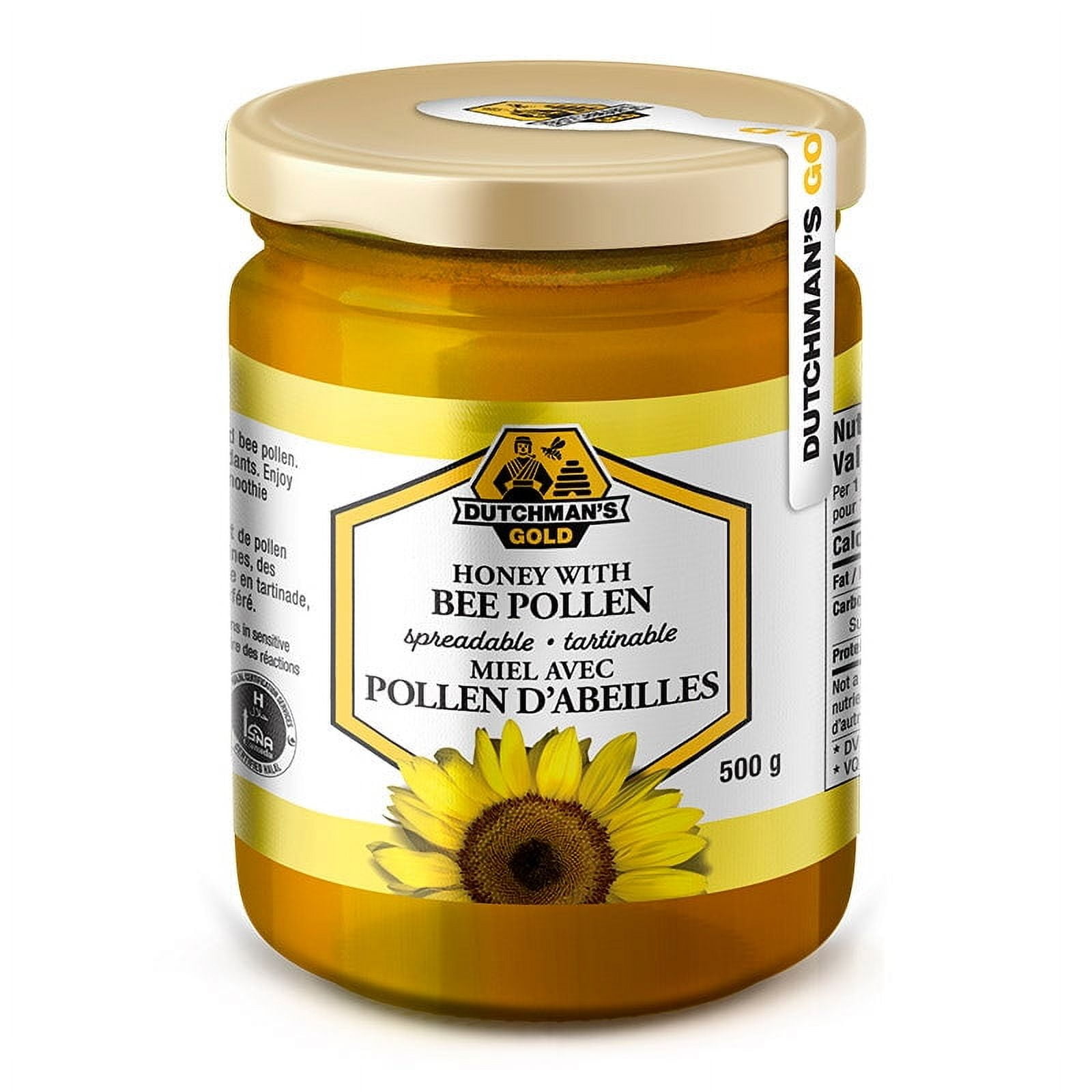
Bee pollen is a minimally processed product that retains a wide range of natural nutrients, including proteins, vitamins, minerals, and antioxidants. Its ingredients, such as flower pollen and honey, are naturally occurring and contribute to its high nutritional value. The lack of harmful additives and its status as a whole food support a high rating.
Key ingredients 18
Flower pollenVery Good
Flower pollen is a natural source of vitamins, minerals, and antioxidants. It is collected by bees and is minimally processed, retaining its nutritional integrity. It is often praised for its potential to boost the immune system and provide energy.
Benefits
Rich in vitamins, minerals, and antioxidants that support overall health and immune function.
ProteinVery Good
Protein in bee pollen is a complete source, containing all essential amino acids. It is minimally processed and supports muscle growth and repair. This high-quality protein is beneficial for maintaining muscle mass and overall health.
Benefits
Supports muscle growth and repair with a complete amino acid profile.
MineralsVery Good
Minerals in bee pollen include essential nutrients like calcium, magnesium, and potassium. They are naturally occurring and support various bodily functions. These minerals are crucial for bone health, nerve function, and electrolyte balance.
Benefits
Supports bone health, nerve function, and electrolyte balance with essential minerals.
VitaminsVery Good
Vitamins in bee pollen include B-complex vitamins and vitamin C. They are naturally occurring and support energy metabolism and immune function. These vitamins are essential for maintaining overall health and vitality.
Benefits
Supports energy metabolism and immune function with essential vitamins.
Amino acidsVery Good
Amino acids in bee pollen are the building blocks of protein and support muscle and tissue repair. They are naturally occurring and provide a complete amino acid profile. These amino acids are crucial for maintaining muscle mass and overall health.
Benefits
Supports muscle and tissue repair with a complete amino acid profile.
Macro-nutrientsVery Good
Macro-nutrients in bee pollen include proteins, fats, and carbohydrates essential for energy and growth. They are naturally occurring and provide a balanced nutritional profile. These nutrients are crucial for overall health and energy metabolism.
Benefits
Provides essential nutrients for energy and growth, supporting overall health.
Micro-nutrientsVery Good
Micro-nutrients in bee pollen include vitamins and minerals essential for various bodily functions. They are naturally occurring and support immune function, bone health, and energy metabolism. These nutrients are vital for maintaining overall health and well-being.
Benefits
Supports immune function, bone health, and energy metabolism with essential micro-nutrients.
FlavonoidsVery Good
Flavonoids in bee pollen are antioxidants that protect against oxidative stress. They are naturally occurring and support heart health and immune function. These compounds are beneficial for reducing inflammation and supporting cardiovascular health.
Benefits
Protects against oxidative stress and supports heart health with antioxidant properties.
NectarGood
Nectar is a natural sweetener produced by plants and collected by bees. It contains natural sugars and trace amounts of vitamins and minerals. It is less processed than refined sugars, making it a better alternative for natural sweetness.
Benefits
Provides natural sweetness with trace nutrients, offering a healthier alternative to refined sugars.
HoneyGood
Honey is a natural sweetener with antioxidant and antimicrobial properties. It is minimally processed and retains beneficial compounds like flavonoids. Honey can support immune health and provide a natural energy boost.
Benefits
Contains antioxidants and antimicrobial properties that support immune health and provide natural energy.
Bee secretionsGood
Bee secretions contribute to the formation of bee pollen and contain enzymes and nutrients. They are naturally occurring and enhance the nutritional profile of bee pollen. These secretions can support overall health by providing additional nutrients.
Benefits
Enhances the nutritional profile of bee pollen with additional enzymes and nutrients.
Fatty acidsGood
Fatty acids in bee pollen include essential omega-3 and omega-6 fats. They are naturally occurring and support heart health and inflammation regulation. These healthy fats are beneficial for cardiovascular health and cellular function.
Benefits
Supports heart health and inflammation regulation with essential fatty acids.
LipidsGood
Lipids in bee pollen include healthy fats that support cellular structure and function. They are naturally occurring and contribute to the overall nutritional profile. These lipids are beneficial for maintaining healthy cell membranes and energy storage.
Benefits
Supports cellular structure and function with healthy fats.
PhospholipidsGood
Phospholipids in bee pollen support cell membrane integrity and function. They are naturally occurring and play a role in cellular communication and nutrient transport. These compounds are beneficial for maintaining healthy cell membranes.
Benefits
Supports cell membrane integrity and function with essential phospholipids.
EnzymesNeutral
Standard formulation ingredient — neither beneficial nor harmful at typical use.
Benefits
Enhances digestion and nutrient absorption, supporting overall digestive health.
WaxNeutral
Wax is a natural substance produced by bees, primarily used in the construction of honeycombs. It is not typically consumed in large quantities and serves more as a structural component. It has no significant nutritional value or health impact.
Simple sugarsNeutral
Simple sugars in bee pollen provide a quick source of energy. They are naturally occurring and less processed than refined sugars. While they offer energy, they should be consumed in moderation to avoid excessive sugar intake.
Risks
Excessive consumption may lead to increased blood sugar levels.
Benefits
Provides a quick source of energy with naturally occurring sugars.
TriglyceridesNeutral
Triglycerides in bee pollen are a form of fat used for energy storage. They are naturally occurring and provide a source of energy. While they are necessary for energy, excessive intake should be avoided to prevent health issues.
Risks
Excessive intake may contribute to increased fat storage and related health issues.
Benefits
Provides a source of energy through fat storage.
Processing
Unprocessed or Minimally Processed Foods
Get the full breakdown in the Scout appTake Scout shopping
Scan any product to see lab results, healthy alternatives, and your personalized analysis.
Download on theApp Store GET IT ONGoogle PlayAmazon pricing & content
Amazon price as of . Product prices and availability are accurate as of the date/time indicated and are subject to change. Any price and availability information displayed on Amazon.com at the time of purchase will apply to the purchase of this product.
CERTAIN CONTENT THAT APPEARS ON THIS SITE COMES FROM AMAZON. THIS CONTENT IS PROVIDED “AS IS” AND IS SUBJECT TO CHANGE OR REMOVAL AT ANY TIME.