
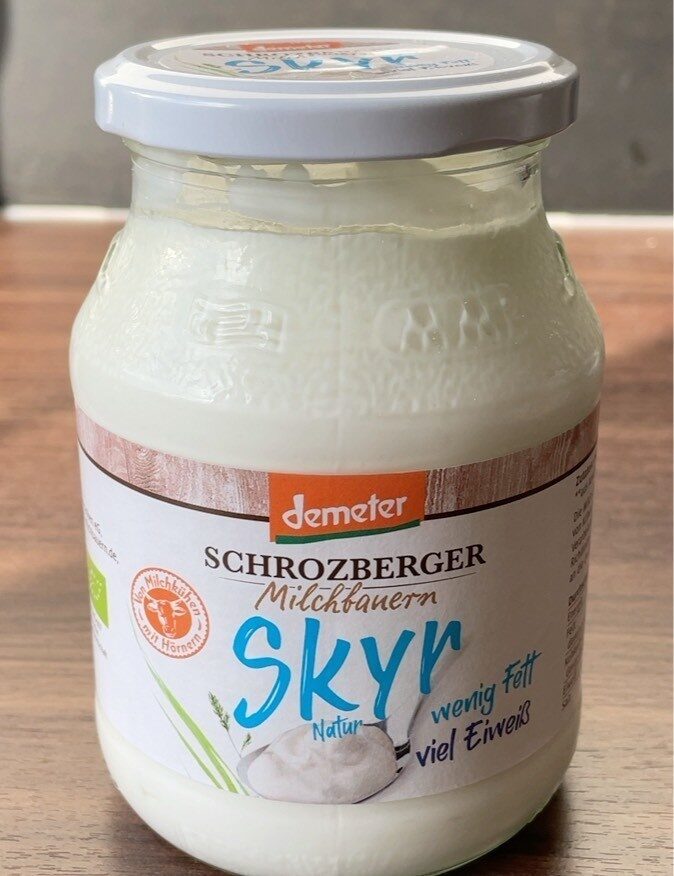
Skyr Alternative Natur

alpro
60 Fair
View on Amazon

Summary

This product is ultra-processed and contains several additives, including stabilizers and antioxidants, which contribute to its high processing level. While it is fortified with beneficial nutrients like calcium, vitamin B12, and vitamin D2, it also includes refined sugar and natural flavors, which detract from its overall nutritional quality. The presence of soybeans, which can be allergenic and are often genetically modified, further impacts its health rating.

At a glance

Beneficial ingredients 4
Harmful ingredients 3
Owned by Danone
Category Plant Based Foods And Beverages

Key ingredients 14

Water
Neutral

Water is a neutral ingredient used as a base in many food products. It is essential for hydration but does not provide significant nutritional value. In this product, it serves as a medium for other ingredients.

See more about Water →
Soybeans
Bad

Soybeans are a common plant-based protein source but can be problematic due to potential allergenicity and phytoestrogen content. They are often genetically modified and heavily processed, which can reduce nutritional quality. Compared to animal proteins, soy protein has a less complete amino acid profile.

Risks

May cause allergic reactions and contain phytoestrogens that could affect hormone balance.

Benefits

Provides plant-based protein and contains some essential amino acids.

Sugar
Bad

Refined sugar is a source of empty calories and can contribute to various health issues like obesity and diabetes. It is often added to enhance flavor but offers no nutritional benefits. Excessive consumption can lead to metabolic disorders.

Risks

High intake is linked to increased risk of obesity, type 2 diabetes, and dental cavities.

See more about Sugar →
Pectin
Neutral

Pectin is a natural gelling agent derived from fruits, used to stabilize and thicken food products. It is generally considered safe and is commonly used in jams and jellies. It does not significantly impact the nutritional profile of the product.

Benefits

May aid in digestion and improve gut health due to its fiber content.

See more about Pectin →
Tricalcium citrate
Good

Tricalcium citrate is a calcium salt used to fortify foods with calcium, supporting bone health. It is well-absorbed and provides a source of calcium without adding dairy. This is beneficial for lactose-intolerant individuals.

Benefits

Provides a source of calcium, essential for maintaining strong bones and teeth.

Sodium citrate
Neutral

Sodium citrate is used as a buffering agent to control acidity in food products. It is generally recognized as safe and does not significantly alter the nutritional profile. It helps maintain the stability and texture of the product.

Risks

Excessive consumption may lead to an imbalance in electrolyte levels.

See more about Sodium citrate →
Citric acid
Neutral

Citric acid is a natural preservative and flavor enhancer found in citrus fruits. It is used to add acidity and improve flavor stability. It is widely used in the food industry and considered safe.

Benefits

May enhance the absorption of minerals like calcium.

See more about Citric acid →
Natural flavor
Bad

Natural flavors are often used to enhance taste but can be derived from complex mixtures of chemicals. They lack transparency and can include numerous additives. This ingredient does not contribute to nutritional value and may cause sensitivities in some individuals.

Risks

Potential allergenicity and lack of transparency in ingredient sourcing.

See more about Natural flavor →
Sea salt
Good

Unrefined sea salt — a minimally processed, natural source of sodium and essential trace minerals, and a legitimate whole-food seasoning. Treated as a positive ingredient.

Risks

High sodium intake can lead to hypertension and cardiovascular issues.

Benefits

Contains trace minerals that may support overall health.

See more about Sea salt →
Tocopherol-rich extracts
Neutral

Tocopherol-rich extracts are used as antioxidants to prevent oxidation in food products. They are derived from natural sources and help extend shelf life. While beneficial for product stability, they do not significantly impact nutritional value.

Benefits

May provide antioxidant benefits that protect cells from oxidative damage.

Ascorbyl palmitate
Neutral

Ascorbyl palmitate is an antioxidant used to preserve freshness in food products. It is a fat-soluble form of vitamin C, enhancing stability in fat-containing products. It does not significantly contribute to the nutritional profile.

Benefits

May provide antioxidant benefits, protecting against oxidative stress.

See more about Ascorbyl palmitate →
Vitamin B12
Good

Vitamin B12 is essential for nerve function and the production of red blood cells. It is crucial for vegans and vegetarians who may lack this nutrient in their diet. Fortification helps prevent deficiency-related health issues.

Benefits

Supports energy metabolism and neurological health.

See more about Vitamin B12 →
Vitamin D2
Good

Vitamin D2 is a plant-based form of vitamin D, important for calcium absorption and bone health. It is beneficial for individuals with limited sun exposure or dietary intake of vitamin D. Fortification helps maintain adequate vitamin D levels.

Benefits

Supports bone health and immune function.

See more about Vitamin D2 →
Yogurt cultures
Neutral

Yogurt cultures are used to ferment the product, contributing to its texture and flavor. They may provide probiotic benefits, supporting gut health. However, the extent of these benefits depends on the viability of the cultures.

Benefits

May support digestive health through probiotic activity.

See more about Yogurt cultures →

Processing

Group 4 · Ultra-processed

Ultra-Processed Foods

Get the full breakdown in the Scout app

Scan any product to see lab results, healthy alternatives, and your personalized analysis.

Download on theApp Store