


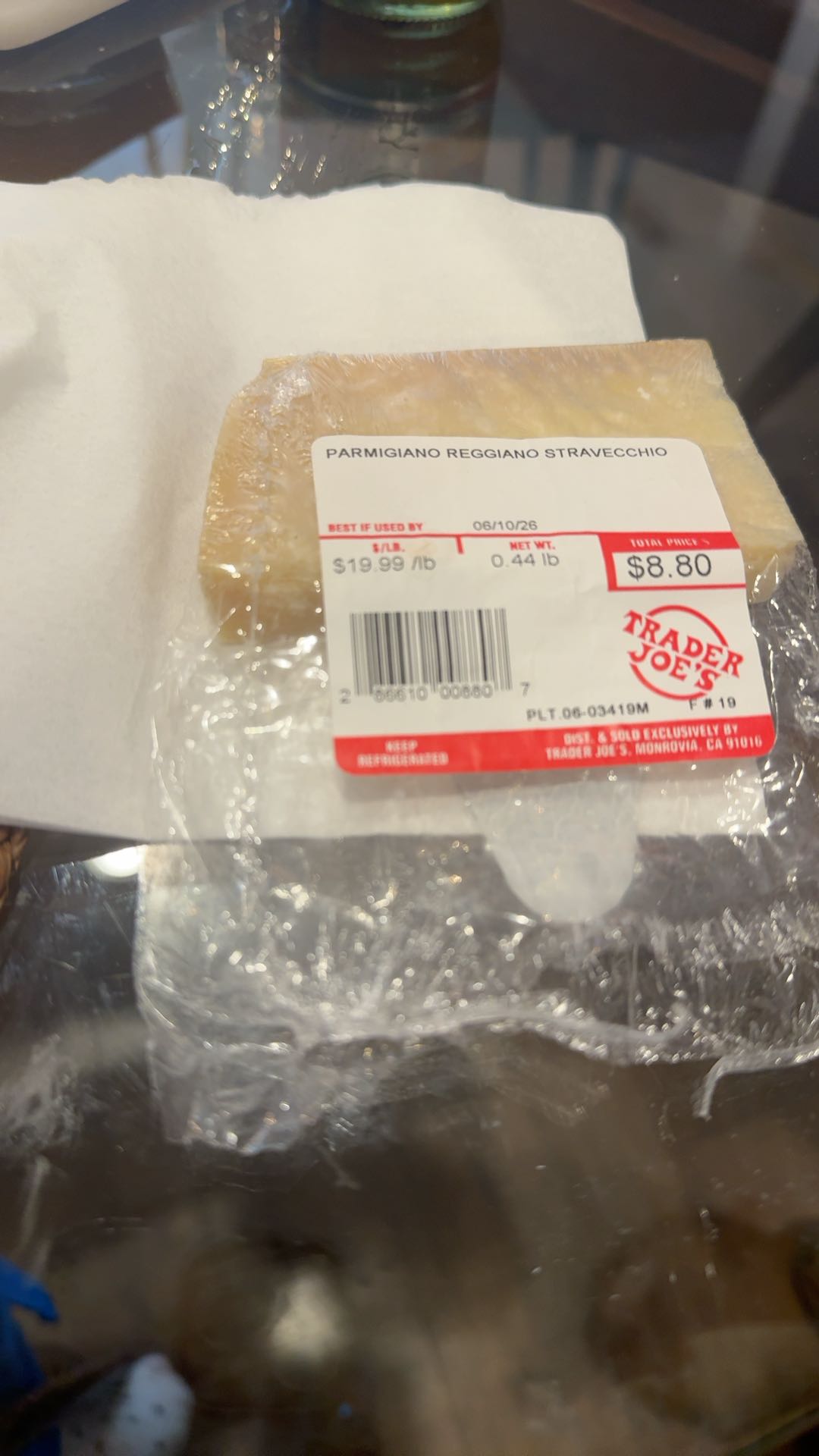
At a glance
Summary
This cheese product contains milk as a primary ingredient, which is beneficial for providing essential nutrients like calcium and protein. However, it includes preservatives such as E234, which is a processed additive used to extend shelf life, raising concerns about long-term health effects. The product is moderately processed, which limits its score despite having a relatively short ingredient list.
Key ingredients 5
MilkGood
Milk is a primary ingredient in cheese, providing essential nutrients like calcium and protein. It is a natural source of vitamins and minerals that support bone health. The quality of milk can vary, with organic or grass-fed options offering additional benefits.
Risks
Potential risks include lactose intolerance or milk allergies in some individuals.
Benefits
Rich in calcium and protein, which are crucial for bone health and muscle maintenance.
Acidity regulator E575Neutral
E575, or glucono delta-lactone, is used to regulate acidity in food products. It is generally recognized as safe and is used to maintain the desired pH level in cheese. This additive is commonly used in processed foods without significant health concerns.
Benefits
Helps maintain the stability and texture of the cheese by regulating acidity.
SaltNeutral
Salt is used in cheese for flavor enhancement and as a preservative. It helps control the growth of unwanted bacteria during the cheese-making process. While essential in moderation, excessive salt intake can lead to health issues.
Risks
High sodium intake can contribute to hypertension and cardiovascular diseases.
Benefits
Enhances flavor and acts as a natural preservative in cheese.
Microbial rennetNeutral
Microbial rennet is used to coagulate milk in cheese production. It is a vegetarian alternative to animal-derived rennet and is widely accepted in cheese-making. This ingredient is generally considered safe and effective.
Benefits
Provides a vegetarian-friendly option for cheese coagulation without compromising quality.
Preservative E234Bad
E234, or nisin, is a preservative used to inhibit bacterial growth in cheese. While effective in extending shelf life, it is a processed additive. Overuse of preservatives can lead to concerns about long-term health effects.
Risks
Potential for allergic reactions or sensitivities in some individuals.
Benefits
Extends the shelf life of cheese by preventing spoilage from bacterial growth.
Processing
Processed Foods
Get the full breakdown in the Scout appTake Scout shopping
Scan any product to see lab results, healthy alternatives, and your personalized analysis.
Download on theApp Store GET IT ONGoogle Play