



At a glance
Summary
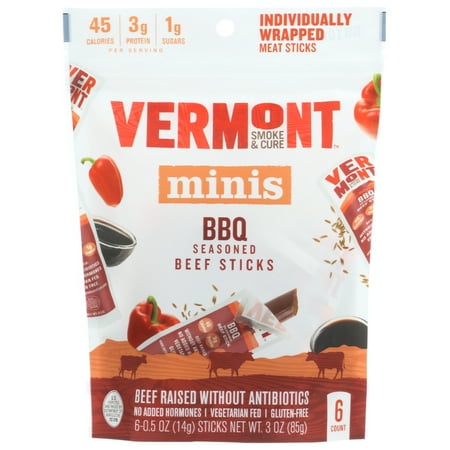
The BBQ Beef Sticks contain high-quality beef and several beneficial spices, which contribute positively to its nutritional profile. However, the presence of added sugars and celery juice powder, which can contribute to nitrate intake, are concerns. The product is moderately processed, which limits its score despite the use of mostly recognizable ingredients.
Key ingredients 17
BeefVery Good
Beef is a high-quality source of complete protein, providing all essential amino acids. It is rich in vitamins and minerals such as iron, zinc, and B vitamins, which are crucial for various bodily functions. Grass-fed beef is particularly beneficial due to higher omega-3 fatty acids and antioxidant content.
Risks
Excessive consumption of red meat may be linked to increased risk of certain health issues, such as heart disease.
Benefits
Provides a rich source of protein and essential nutrients, supporting muscle growth and overall health.
Sea saltGood
Unrefined sea salt — a minimally processed, natural source of sodium and essential trace minerals, and a legitimate whole-food seasoning. Treated as a positive ingredient.
Risks
High sodium intake can lead to hypertension and cardiovascular issues.
Benefits
Provides essential sodium for electrolyte balance and nerve function.
PaprikaGood
Paprika is a spice made from ground peppers, rich in antioxidants like vitamin A and capsaicin. It adds flavor and color to foods without adding calories or fat. Its antioxidant properties may help reduce inflammation and support immune health.
Benefits
Rich in antioxidants that may support immune health and reduce inflammation.
PepperGood
Pepper is a common spice that enhances flavor and contains piperine, which may improve nutrient absorption. It has antioxidant properties and may support digestive health. Its use in small amounts adds flavor without significant calories.
Benefits
May improve nutrient absorption and has antioxidant properties.
OnionGood
Onion is a vegetable that adds flavor and contains antioxidants like quercetin. It may support heart health and has anti-inflammatory properties. Onions are low in calories and provide some vitamins and minerals.
Benefits
Contains antioxidants that may support heart health and reduce inflammation.
Ascorbic acidGood
Vitamin C — beneficial even when serving as a preservative.
Benefits
Acts as an antioxidant and helps preserve food quality.
GarlicGood
Garlic is a flavorful herb with potential health benefits, including antimicrobial and cardiovascular support. It contains sulfur compounds that may help reduce cholesterol and blood pressure. Its use in foods adds flavor and potential health benefits.
Benefits
May support cardiovascular health and has antimicrobial properties.
Red pepper flakesGood
Red pepper flakes add heat and flavor to foods and contain capsaicin, which may have metabolism-boosting effects. They are low in calories and provide antioxidants. Their use enhances flavor without significant caloric impact.
Benefits
May boost metabolism and provide antioxidants.
CayenneGood
Cayenne is a spice known for its heat and capsaicin content, which may support metabolism and circulation. It adds flavor and potential health benefits without adding calories. Its antioxidant properties may also support overall health.
Benefits
May support metabolism and circulation, and provides antioxidants.
CuminGood
Cumin is a spice that adds flavor and contains antioxidants, which may support digestion and immune health. It is low in calories and provides some vitamins and minerals. Its use in foods enhances flavor and offers potential health benefits.
Benefits
May support digestion and immune health, and provides antioxidants.
Molasses powderNeutral
Molasses powder is a natural sweetener derived from sugarcane or sugar beet processing. It retains some minerals like iron and calcium, unlike refined sugars. However, it is still a sugar and should be consumed in moderation.
Risks
High sugar content can contribute to weight gain and metabolic issues if consumed excessively.
Benefits
Contains trace minerals such as iron and calcium, offering slight nutritional benefits over refined sugar.
Tamarind powderNeutral
Tamarind powder is derived from the tamarind fruit and used for its tangy flavor. It contains some vitamins and minerals, but in small amounts when used as a spice. Its primary role is flavor enhancement rather than nutritional contribution.
Benefits
Provides a unique tangy flavor and contains small amounts of vitamins and minerals.
MustardNeutral
Mustard is used as a spice and condiment, providing flavor with minimal calories. It contains some antioxidants and may have mild anti-inflammatory effects. Its primary role is flavor enhancement rather than nutritional contribution.
Benefits
Adds flavor and contains some antioxidants.
Lactic acid starter cultureNeutral
Lactic acid starter culture is used in fermentation to enhance flavor and preserve foods. It is not derived from milk, making it suitable for lactose-intolerant individuals. Its primary role is in food preservation and flavor development.
Benefits
Enhances flavor and preserves food through fermentation.
Collagen casingNeutral
Collagen casing is used to encase meat products, providing structure and shape. It is derived from animal collagen and is edible. Its primary function is structural rather than nutritional.
Benefits
Provides structure to meat products without significant nutritional impact.
Evaporated cane sugarBad
Evaporated cane sugar is a less processed form of sugar but still contributes to added sugar intake. It can lead to spikes in blood sugar levels and contribute to metabolic disorders. Despite being less refined, it offers no significant nutritional benefits over regular sugar.
Risks
Excessive consumption can lead to obesity, diabetes, and other metabolic disorders.
Celery juice powderBad
Celery juice powder is often used as a natural preservative due to its nitrate content. While it is derived from a vegetable, it can contribute to nitrate intake, which may have health concerns similar to synthetic nitrates. Its use in processed foods is primarily for preservation rather than nutritional benefits.
Risks
May contribute to nitrate intake, which is linked to potential health concerns when consumed in excess.
Processing
Processed Foods
Get the full breakdown in the Scout appTake Scout shopping
Scan any product to see lab results, healthy alternatives, and your personalized analysis.
Download on theApp Store GET IT ONGoogle Play