
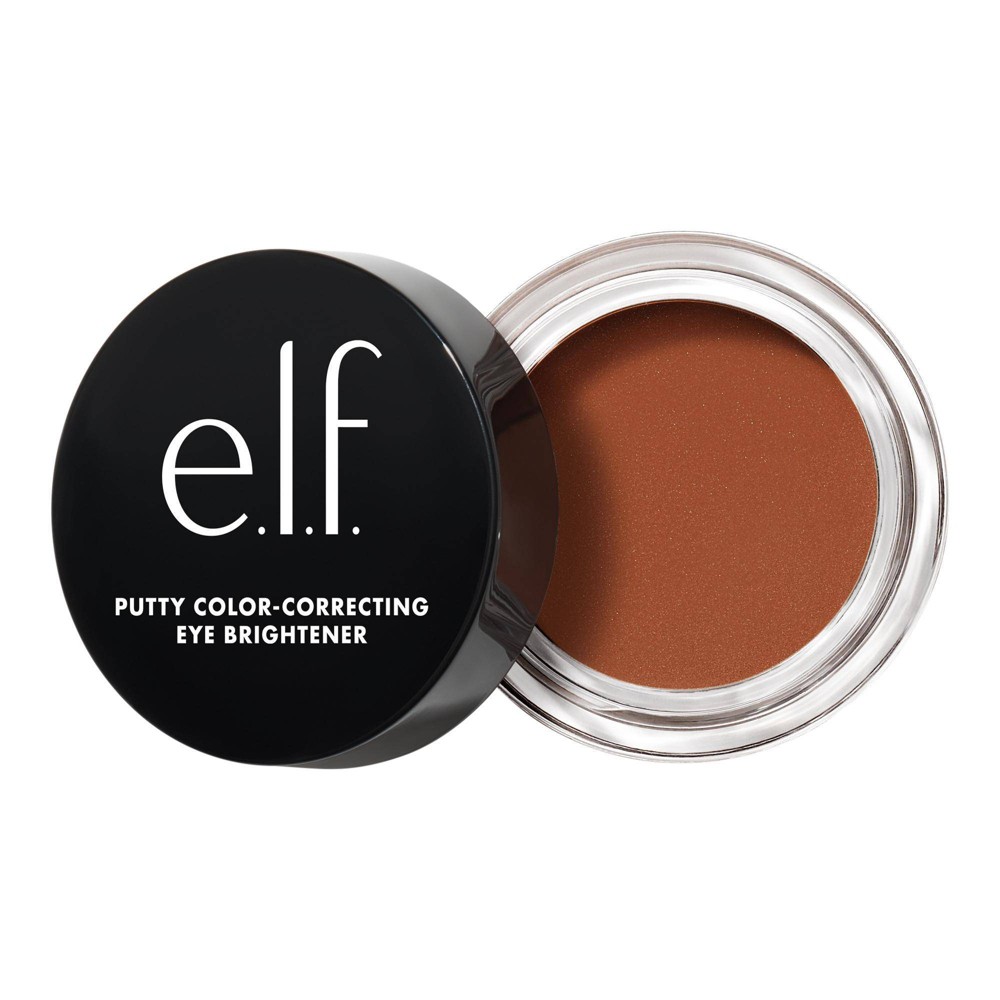
e.l.f. Putty Color-Correcting Eye Brightener - Deep/Rich - 0.14oz
Summary
This eye brightener contains beneficial ingredients such as squalane, hyaluronic acid, and jojoba esters, which are known for their moisturizing and skin-nourishing properties. The presence of synthetic beeswax and synthetic wax indicates some level of processing, but the product avoids harsh chemicals and endocrine disruptors. The inclusion of natural extracts like ginseng root further enhances its safety profile, making it a mostly safe choice with minor synthetic components.
At a glance
Key ingredients 12
Octyldodecanol
Octyldodecanol is a fatty alcohol used as an emollient and texture enhancer in cosmetics. It helps to soften and smooth the skin, providing a silky feel. It is generally considered safe and non-irritating for most skin types.
Risks
There are minimal risks associated with octyldodecanol, though it may cause irritation in very sensitive individuals.
Benefits
It provides moisturizing properties and enhances the texture of cosmetic products.
Dipentaerythrityl Hexahydroxystearate
This ingredient is used as a thickening agent and emollient in cosmetic formulations. It helps to stabilize emulsions and improve the texture of the product. It is considered safe for use in cosmetics.
Risks
There are no significant risks associated with this ingredient.
Benefits
It contributes to the smooth application and consistency of the product.
Synthetic Beeswax
Synthetic beeswax is used as a thickening agent and emollient in cosmetics. It mimics the properties of natural beeswax, providing structure and moisture retention. It is a vegan alternative to natural beeswax.
Risks
There are minimal risks, though some individuals may prefer natural alternatives.
Benefits
It helps to lock in moisture and improve the texture of cosmetic products.
Synthetic Wax
Synthetic wax is used to provide structure and stability to cosmetic formulations. It acts as a thickening agent and helps to improve the texture and application of the product. It is generally considered safe for use in cosmetics.
Risks
There are minimal risks associated with synthetic wax.
Benefits
It enhances the consistency and application of the product.
Squalane
Squalane is a highly effective emollient and natural antioxidant. It is known for its ability to deeply moisturize and protect the skin without leaving a greasy residue. It is derived from plant sources and is considered very safe for all skin types.
Risks
There are no significant risks associated with squalane.
Benefits
It provides excellent moisturizing properties and helps to improve skin elasticity.
VP/Hexadecene
VP/Hexadecene is a film-forming agent used in cosmetics to provide a smooth, even application. It helps to improve the wear and longevity of the product. It is considered safe for use in cosmetics.
Risks
There are minimal risks, though it may cause irritation in very sensitive skin.
Benefits
It enhances the durability and application of cosmetic products.
Hyaluronic Acid
Hyaluronic acid is a powerful humectant that attracts and retains moisture in the skin. It is known for its ability to hydrate and plump the skin, reducing the appearance of fine lines. It is highly regarded in skincare for its moisturizing properties.
Risks
There are no significant risks associated with hyaluronic acid.
Benefits
It provides deep hydration and helps to improve skin texture and elasticity.
Ginseng Root Extract
Ginseng root extract is a botanical ingredient known for its antioxidant and anti-inflammatory properties. It helps to revitalize and energize the skin, promoting a healthy complexion. It is widely used in skincare for its rejuvenating effects.
Risks
There are minimal risks, though it may cause irritation in very sensitive skin.
Benefits
It provides antioxidant protection and helps to improve skin vitality.
Jojoba Esters
Jojoba esters are derived from jojoba oil and are used as emollients in cosmetics. They help to moisturize and soften the skin, mimicking the skin's natural oils. They are considered very safe and beneficial for all skin types.
Risks
There are no significant risks associated with jojoba esters.
Benefits
They provide excellent moisturizing properties and help to improve skin texture.
Ethylhexylglycerin
Ethylhexylglycerin is used as a preservative and skin-conditioning agent in cosmetics. It helps to enhance the efficacy of other preservatives and provides mild moisturizing benefits. It is considered safe for use in cosmetics.
Risks
There are minimal risks, though it may cause irritation in very sensitive skin.
Benefits
It helps to preserve the product and provides mild moisturizing benefits.
Polyhydroxystearic Acid
Polyhydroxystearic acid is used as an emulsifier and thickening agent in cosmetics. It helps to stabilize formulations and improve the texture of the product. It is considered safe for use in cosmetics.
Risks
There are minimal risks associated with this ingredient.
Benefits
It enhances the stability and texture of cosmetic formulations.
Lecithin
Lecithin is a natural emulsifier and skin-conditioning agent. It helps to improve the texture and moisture retention of cosmetic products. It is derived from natural sources and is considered safe for use in cosmetics.
Risks
There are minimal risks, though it may cause irritation in very sensitive skin.
Benefits
It provides moisturizing benefits and helps to stabilize cosmetic formulations.
Processing
Processed Foods
Get the full breakdown in the Scout app
Scan any product to see lab results, healthy alternatives, and your personalized analysis.
Download on theApp Store