
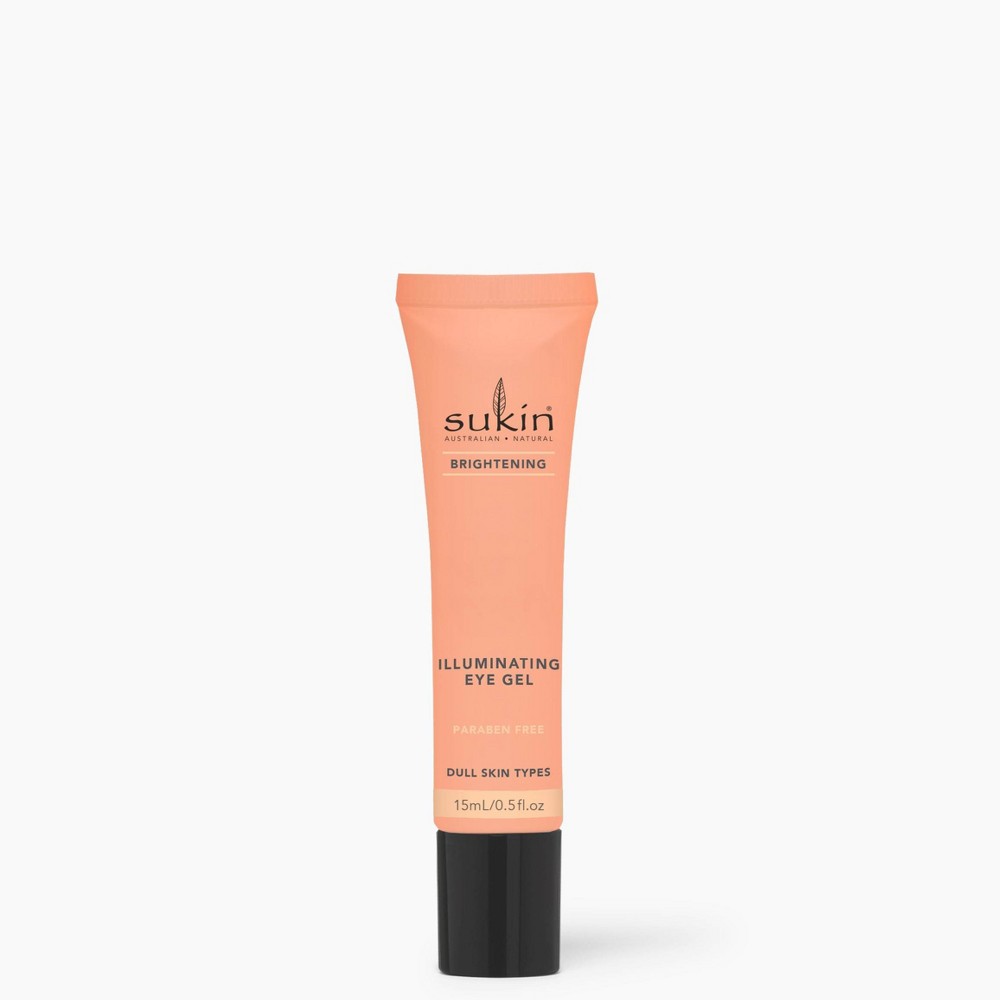
Sukin Brightening Illuminating Eye Gel - 0.5 fl oz

75 Good
View on Amazon

Summary

This eye gel contains mostly natural ingredients such as fruit extracts, caffeine, and squalane, which are beneficial for skin health. The presence of coconut alkanes and coco-caprylate/caprate as emollients is generally safe, but the product is still processed, which slightly limits its score. The absence of harsh chemicals or synthetic fragrances contributes positively to its rating.

At a glance

Beneficial ingredients 0
Harmful ingredients 0
Category Eye Care

Key ingredients 11

Glycerin

Glycerin is a humectant that attracts moisture to the skin, helping to keep it hydrated. It is commonly used in skincare products for its ability to improve skin barrier function. It is generally considered safe and effective for most skin types.

Risks

There are minimal risks associated with glycerin, though it may cause irritation in very sensitive skin.

Benefits

Glycerin helps maintain skin hydration and can improve the skin's natural barrier.

See more about Glycerin →
Terminalia Ferdinandiana Fruit Extract

Terminalia Ferdinandiana, also known as Kakadu plum, is rich in Vitamin C and antioxidants. It is used in skincare for its potential to brighten skin and reduce signs of aging. This ingredient is derived from a natural source and is considered beneficial.

Risks

There are minimal risks, though some individuals may experience mild irritation.

Benefits

It provides antioxidant protection and can help brighten the skin.

Squalane

Squalane is a highly effective emollient and natural antioxidant. It mimics the skin's natural oils, making it an excellent moisturizer. It is non-comedogenic and suitable for all skin types.

Risks

Squalane is generally safe with a low risk of irritation or allergic reaction.

Benefits

It helps to moisturize the skin and improve its elasticity.

See more about Squalane →
Caffeine

Caffeine is used in skincare for its ability to reduce puffiness and dark circles under the eyes. It has antioxidant properties and can improve circulation. This makes it a popular ingredient in eye care products.

Risks

Caffeine can cause dryness or irritation in sensitive skin if used excessively.

Benefits

It helps reduce puffiness and dark circles, providing a more refreshed appearance.

See more about Caffeine →
Coffea Arabica (Coffee) Seed Extract

Coffee seed extract is rich in antioxidants and can help protect the skin from environmental damage. It is also known for its anti-inflammatory properties. This ingredient is derived from natural sources and is considered beneficial.

Risks

There is a low risk of irritation, but it is generally well-tolerated.

Benefits

It provides antioxidant protection and can help soothe the skin.

Ananas Sativus (Pineapple) Fruit Extract

Pineapple extract contains bromelain, an enzyme that can help exfoliate the skin. It is also rich in Vitamin C, which can brighten the skin. This natural ingredient is often used for its gentle exfoliating properties.

Risks

Some individuals may experience irritation or sensitivity to pineapple extract.

Benefits

It helps exfoliate and brighten the skin, improving overall texture.

Citric Acid

Citric acid is used in skincare as a pH adjuster and exfoliant. It can help to improve skin texture and tone by removing dead skin cells. It is generally safe in low concentrations.

Risks

High concentrations can cause irritation or sensitivity, especially in sensitive skin.

Benefits

It helps to exfoliate and improve skin texture.

See more about Citric Acid →
Carthamus Tinctorius (Safflower) Extract

Safflower extract is known for its moisturizing properties and is rich in linoleic acid. It can help to maintain the skin's barrier and improve hydration. This natural ingredient is beneficial for dry or sensitive skin.

Risks

There is a low risk of allergic reaction, but it is generally well-tolerated.

Benefits

It helps to moisturize and protect the skin's barrier.

Coconut Alkanes

Coconut alkanes are used as a natural emollient and texture enhancer in skincare products. They provide a silky feel and help to lock in moisture. Derived from coconut oil, they are considered safe and non-comedogenic.

Risks

There is a low risk of irritation, but they are generally safe for most skin types.

Benefits

They help to moisturize and improve the texture of skincare products.

Coco-Caprylate/Caprate

Coco-Caprylate/Caprate is an emollient derived from coconut oil, used to enhance the spreadability of skincare products. It provides a lightweight, non-greasy feel. It is considered safe and suitable for sensitive skin.

Risks

There is a low risk of irritation, but it is generally well-tolerated.

Benefits

It helps to improve the texture and spreadability of skincare products.

See more about Coco-Caprylate/Caprate →
Lecithin

Lecithin is a natural emulsifier and moisturizer used in skincare products. It helps to improve the texture and stability of formulations. It is derived from natural sources and is considered safe for most skin types.

Risks

There is a low risk of allergic reaction, but it is generally well-tolerated.

Benefits

It helps to moisturize and stabilize skincare formulations.

See more about Lecithin →

Processing

Group 3 · Processed

Processed Foods

Get the full breakdown in the Scout app

Scan any product to see lab results, healthy alternatives, and your personalized analysis.

Download on theApp Store