


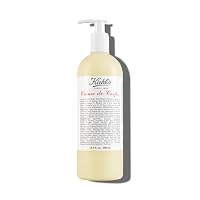
Kiehl's Since 1851 Creamy Eye Treatment With Avocado, 0.5-oz.
Analysis updated August 2026 · How Scout scores
At a glance
Summary
This eye treatment contains beneficial natural ingredients like shea butter, avocado oil, and sunflower seed oil, which provide moisturizing and nourishing properties. However, the presence of phenoxyethanol and chlorphenesin, both of which are preservatives that can cause irritation, slightly lowers the overall safety profile. The product is moderately processed, which also impacts its score.
Key ingredients 26
BUTYROSPERMUM PARKII BUTTER / SHEA BUTTERVery Good
Shea butter is a natural fat extracted from the nuts of the shea tree. It is known for its moisturizing and anti-inflammatory properties. It is highly beneficial for dry and sensitive skin.
Risks
Rarely, it may cause allergic reactions in individuals with nut allergies.
Benefits
Shea butter deeply moisturizes the skin and can help reduce inflammation and irritation.
PERSEA GRATISSIMA OIL / AVOCADO OILVery Good
Avocado oil is a natural oil rich in fatty acids and vitamins. It is known for its moisturizing and nourishing properties. It is highly beneficial for dry and sensitive skin.
Risks
Rarely, it may cause allergic reactions in sensitive individuals.
Benefits
Avocado oil deeply nourishes the skin and helps in reducing inflammation and irritation.
HYDROGENATED JOJOBA OILVery Good
Hydrogenated jojoba oil is a natural oil used as an emollient and conditioning agent. It helps in moisturizing and softening the skin. It is highly beneficial for maintaining skin hydration and softness.
Risks
There are no significant risks associated with this ingredient.
Benefits
It provides deep moisturization and helps in maintaining skin softness.
HELIANTHUS ANNUUS SEED OIL / SUNFLOWER SEED OILVery Good
Sunflower seed oil is a natural oil rich in fatty acids and vitamins. It is known for its moisturizing and nourishing properties. It is highly beneficial for maintaining skin hydration and softness.
Risks
There are no significant risks associated with this ingredient.
Benefits
It provides deep moisturization and helps in maintaining skin softness.
SODIUM PCAGood
Sodium PCA is a natural component of skin that acts as a humectant. It helps in attracting and retaining moisture in the skin. It is highly beneficial for maintaining skin hydration.
Risks
There are no significant risks associated with this ingredient.
Benefits
It enhances skin hydration and helps in maintaining a healthy skin barrier.
TOCOPHERYL ACETATEGood
Tocopheryl acetate is a form of vitamin E used as an antioxidant in cosmetics. It helps in protecting the skin from free radical damage. It is highly beneficial for maintaining skin health and reducing signs of aging.
Risks
There are no significant risks associated with this ingredient.
Benefits
It provides antioxidant protection and helps in maintaining skin health.
COPPER PCAGood
Copper PCA is a skin conditioning agent that helps in maintaining skin hydration. It is known for its anti-inflammatory and antioxidant properties. It is beneficial for improving skin texture and reducing signs of aging.
Risks
There are no significant risks associated with this ingredient.
Benefits
It provides antioxidant protection and helps in maintaining skin health.
CI 40800 / BETA-CAROTENEGood
Beta-carotene is a natural pigment and antioxidant used in cosmetics. It helps in protecting the skin from free radical damage. It is beneficial for maintaining skin health and improving skin tone.
Risks
There are no significant risks associated with this ingredient.
Benefits
It provides antioxidant protection and helps in maintaining skin health.
AQUA / WATERNeutral
Water is a common solvent used in cosmetics to dissolve other ingredients. It helps in the application and absorption of the product. It is generally considered safe and non-irritating.
Risks
There are no significant risks associated with water in cosmetics.
Benefits
Water helps in hydrating the skin and acts as a base for other beneficial ingredients.
BUTYLENE GLYCOLNeutral
Butylene glycol is a common ingredient used as a solvent and conditioning agent in cosmetics. It helps improve the texture and spreadability of products. It is generally considered safe for use in cosmetics.
Risks
In rare cases, it may cause skin irritation or allergic reactions.
Benefits
It helps in maintaining skin hydration and enhances the penetration of other ingredients.
TRIDECYL STEARATENeutral
Tridecyl stearate is an ester used as an emollient and thickening agent in cosmetics. It helps in improving the texture and feel of the product. It is generally considered safe for use in cosmetics.
Risks
There are no significant risks associated with this ingredient.
Benefits
It provides a smooth application and helps in moisturizing the skin.
PEG-30 DIPOLYHYDROXYSTEARATENeutral
PEG-30 dipolyhydroxystearate is an emulsifier used to stabilize formulations. It helps in mixing oil and water-based ingredients. It is generally considered safe but may contain impurities.
Risks
There is a potential risk of contamination with ethylene oxide or 1,4-dioxane.
Benefits
It helps in creating a stable and uniform product texture.
ISODECYL SALICYLATENeutral
Isodecyl salicylate is used as an emollient and skin conditioning agent. It helps in improving the texture and feel of the product. It is generally considered safe for use in cosmetics.
Risks
There are no significant risks associated with this ingredient.
Benefits
It provides a smooth application and helps in moisturizing the skin.
TRIDECYL TRIMELLITATENeutral
Tridecyl trimellitate is an ester used as an emollient and thickening agent. It helps in improving the texture and feel of the product. It is generally considered safe for use in cosmetics.
Risks
There are no significant risks associated with this ingredient.
Benefits
It provides a smooth application and helps in moisturizing the skin.
ISOCETYL STEAROYL STEARATENeutral
Isocetyl stearoyl stearate is used as an emollient and skin conditioning agent. It helps in improving the texture and feel of the product. It is generally considered safe for use in cosmetics.
Risks
There are no significant risks associated with this ingredient.
Benefits
It provides a smooth application and helps in moisturizing the skin.
DIPENTAERYTHRITYL HEXACAPRYLATE/HEXACAPRATENeutral
This ingredient is used as an emollient and skin conditioning agent. It helps in improving the texture and feel of the product. It is generally considered safe for use in cosmetics.
Risks
There are no significant risks associated with this ingredient.
Benefits
It provides a smooth application and helps in moisturizing the skin.
SORBITAN SESQUIOLEATENeutral
Sorbitan sesquioleate is an emulsifier used to stabilize formulations. It helps in mixing oil and water-based ingredients. It is generally considered safe for use in cosmetics.
Risks
There are no significant risks associated with this ingredient.
Benefits
It helps in creating a stable and uniform product texture.
MAGNESIUM SULFATENeutral
Magnesium sulfate is used as a thickening agent and absorbent in cosmetics. It helps in improving the texture and feel of the product. It is generally considered safe for use in cosmetics.
Risks
There are no significant risks associated with this ingredient.
Benefits
It helps in providing a smooth application and can absorb excess oil.
HYDROGENATED CASTOR OILNeutral
Standard formulation ingredient — neither beneficial nor harmful at typical use.
Risks
There are no significant risks associated with this ingredient.
Benefits
It provides deep moisturization and helps in maintaining skin softness.
P-ANISIC ACIDNeutral
P-anisic acid is used as a preservative and fragrance ingredient in cosmetics. It helps in preventing microbial growth and adds a mild scent. It is generally considered safe for use in cosmetics.
Risks
There are no significant risks associated with this ingredient.
Benefits
It helps in preserving the product and adds a pleasant scent.
ISOPROPYL PALMITATENeutral
Isopropyl palmitate is used as an emollient and thickening agent in cosmetics. It helps in improving the texture and feel of the product. It is generally considered safe for use in cosmetics.
Risks
There are no significant risks associated with this ingredient.
Benefits
It provides a smooth application and helps in moisturizing the skin.
CITRIC ACIDNeutral
Citric acid is used as a pH adjuster and preservative in cosmetics. It helps in maintaining the stability and effectiveness of the product. It is generally considered safe for use in cosmetics.
Risks
In rare cases, it may cause skin irritation in sensitive individuals.
Benefits
It helps in maintaining product stability and extending shelf life.
PROPYLENE GLYCOLBad
Processed additive flagged under Scout's ingredient doctrine.
Risks
In rare cases, it may cause skin irritation or allergic reactions.
Benefits
It helps in hydrating the skin and enhances the penetration of other ingredients.
PHENOXYETHANOLBad
Phenoxyethanol is a preservative used to prevent microbial growth in cosmetics. It is effective but can be irritating to the skin and eyes. It is considered a moderate risk ingredient in cosmetics.
Risks
It may cause skin irritation and allergic reactions in sensitive individuals.
Benefits
It helps in preserving the product and extending its shelf life.
CHLORPHENESINBad
Chlorphenesin is a preservative used to prevent microbial growth in cosmetics. It is effective but can be irritating to the skin and eyes. It is considered a moderate risk ingredient in cosmetics.
Risks
It may cause skin irritation and allergic reactions in sensitive individuals.
Benefits
It helps in preserving the product and extending its shelf life.
DISODIUM EDTABad
Processed additive flagged under Scout's ingredient doctrine.
Risks
There are no significant risks associated with this ingredient.
Benefits
It helps in maintaining product stability and extending shelf life.
Processing
Processed Foods
Get the full breakdown in the Scout appTake Scout shopping
Scan any product to see lab results, healthy alternatives, and your personalized analysis.
Download on theApp Store GET IT ONGoogle PlayAmazon pricing & content
Amazon price as of . Product prices and availability are accurate as of the date/time indicated and are subject to change. Any price and availability information displayed on Amazon.com at the time of purchase will apply to the purchase of this product.
CERTAIN CONTENT THAT APPEARS ON THIS SITE COMES FROM AMAZON. THIS CONTENT IS PROVIDED “AS IS” AND IS SUBJECT TO CHANGE OR REMOVAL AT ANY TIME.