
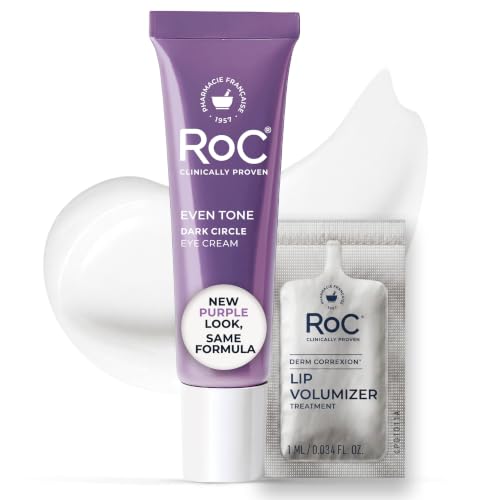

RoC Multi Correxion 5 In 1 Even Tone + Lift Eye Cream with Hexyl-R Complex Technology Non-Greasy .5 fl oz
Analysis updated August 2026 · How Scout scores
At a glance
Summary
This eye cream contains several beneficial ingredients such as niacinamide, tocopherol, and shea butter, which are known for their moisturizing and anti-aging properties. However, the presence of PEG compounds and acrylates, which are synthetic emulsifiers and thickeners, slightly lowers the score due to their potential for skin irritation and environmental concerns. The product is moderately processed, which also impacts its overall rating.
Key ingredients 13
TocopherolVery Good
Tocopherol, also known as Vitamin E, is a powerful antioxidant that helps to protect the skin from free radical damage. It is widely used in skincare for its moisturizing and anti-aging benefits. It is considered safe and beneficial for most skin types.
Risks
There are minimal risks, though it may cause mild irritation in very sensitive skin.
Benefits
Tocopherol helps to nourish the skin and reduce signs of aging.
Helianthus Annuus (Sunflower) Seed OilVery Good
Sunflower Seed Oil is a natural oil rich in fatty acids and Vitamin E, known for its moisturizing and skin-conditioning properties. It helps to maintain the skin's natural barrier and prevent moisture loss. It is considered safe and beneficial for most skin types.
Risks
There are minimal risks, though it may cause mild irritation in very sensitive skin.
Benefits
Sunflower Seed Oil helps to hydrate the skin and improve its overall texture.
Butyrospermum Parkii (Shea) ButterVery Good
Shea Butter is a natural fat extracted from the nuts of the shea tree, known for its moisturizing and emollient properties. It helps to soften and smooth the skin. It is considered safe and beneficial for most skin types.
Risks
There are minimal risks, though it may cause mild irritation in very sensitive skin.
Benefits
Shea Butter helps to deeply moisturize the skin and improve its elasticity.
GlycerinGood
Glycerin is a humectant that attracts moisture to the skin, helping to keep it hydrated. It is widely used in skincare products for its moisturizing properties. It is considered safe and beneficial for most skin types.
Risks
There are minimal risks associated with glycerin, though it may cause irritation in very sensitive individuals.
Benefits
Glycerin helps maintain skin hydration and improves skin barrier function.
NiacinamideGood
Niacinamide is a form of Vitamin B3 that offers multiple skin benefits, including improving skin tone and texture. It is known for its anti-inflammatory properties and ability to reduce the appearance of pores. It is considered safe and effective for most skin types.
Risks
There are minimal risks, though it may cause mild irritation in very sensitive skin.
Benefits
Niacinamide helps to improve skin elasticity, enhance barrier function, and even out skin tone.
HexylresorcinolGood
Hexylresorcinol is an organic compound used for its skin-brightening and anti-aging properties. It helps to reduce the appearance of dark spots and improve skin tone. It is considered safe for use in cosmetics.
Risks
There are minimal risks, though it may cause mild irritation in sensitive skin.
Benefits
Hexylresorcinol helps to brighten the skin and reduce signs of aging.
Saccharomyces Cerevisiae ExtractGood
Saccharomyces Cerevisiae Extract is derived from yeast and is used for its antioxidant and skin-conditioning properties. It helps to protect the skin from environmental stressors. It is considered safe for use in cosmetics.
Risks
There are minimal risks, though it may cause mild irritation in sensitive skin.
Benefits
Saccharomyces Cerevisiae Extract helps to improve skin texture and protect against oxidative damage.
Ascorbic AcidGood
Ascorbic Acid, also known as Vitamin C, is a potent antioxidant that helps to brighten the skin and reduce signs of aging. It is widely used in skincare for its ability to improve skin tone and texture. It is considered safe and effective for most skin types.
Risks
There are minimal risks, though it may cause mild irritation in very sensitive skin.
Benefits
Ascorbic Acid helps to protect the skin from oxidative damage and improve its radiance.
WaterNeutral
Water is a common solvent used in cosmetics to dissolve other ingredients. It helps in forming emulsions and provides a base for the formulation. It does not have any direct benefits or risks in this context.
Risks
There are no significant risks associated with water in cosmetic formulations.
Benefits
Water helps in hydrating the skin by providing moisture.
Cetyl AlcoholNeutral
Cetyl Alcohol is a fatty alcohol used as an emollient and thickening agent in cosmetics. It helps to soften and smooth the skin. It is generally considered safe and non-irritating.
Risks
There are minimal risks, though it may cause irritation in very sensitive skin.
Benefits
Cetyl Alcohol helps to improve the texture and feel of the product on the skin.
Ethylhexyl PalmitateNeutral
Ethylhexyl Palmitate is an ester of 2-ethylhexyl alcohol and palmitic acid, used as an emollient. It provides a smooth application and enhances the texture of the product. It is generally considered safe for use in cosmetics.
Risks
There are minimal risks, though it may cause mild irritation in sensitive individuals.
Benefits
Ethylhexyl Palmitate helps to improve the spreadability and feel of the product.
PropanediolNeutral
Propanediol is a glycol used as a solvent and skin-conditioning agent. It helps to improve the texture and absorption of the product. It is generally considered safe for use in cosmetics.
Risks
There are minimal risks, though it may cause mild irritation in sensitive individuals.
Benefits
Propanediol enhances the penetration of active ingredients and provides a smooth feel.
DimethiconeBad
Occlusive silicone film-former — flagged under clean-beauty doctrine.
Risks
There are minimal risks, though it may cause breakouts in acne-prone skin.
Benefits
Dimethicone provides a silky feel and helps to protect the skin from moisture loss.
Get the full breakdown in the Scout appTake Scout shopping
Scan any product to see lab results, healthy alternatives, and your personalized analysis.
Download on theApp Store GET IT ONGoogle PlayAmazon pricing & content
Amazon price as of . Product prices and availability are accurate as of the date/time indicated and are subject to change. Any price and availability information displayed on Amazon.com at the time of purchase will apply to the purchase of this product.
CERTAIN CONTENT THAT APPEARS ON THIS SITE COMES FROM AMAZON. THIS CONTENT IS PROVIDED “AS IS” AND IS SUBJECT TO CHANGE OR REMOVAL AT ANY TIME.