
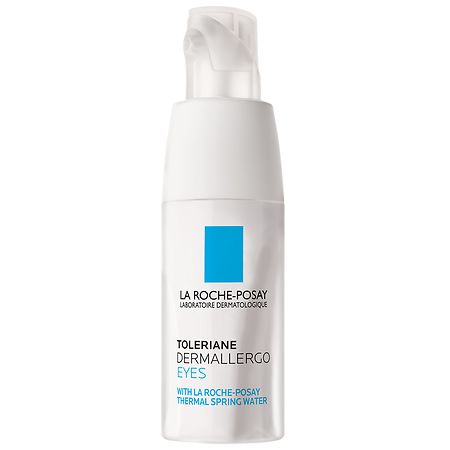




La Roche Posay Toleriane Dermallegro Ultra Soothing Repair Eye Moisturizer - 0.68 fl oz
La Roche-PosayAnalysis updated August 2026 · How Scout scores
At a glance
Summary
This eye moisturizer contains several beneficial ingredients such as glycerin, squalane, shea butter, and niacinamide, which are known for their moisturizing and skin-soothing properties. However, the presence of diacetyl, a controversial ingredient due to potential health concerns, slightly detracts from its overall safety profile. The product is moderately processed, which also influences its rating.
Key ingredients 22
SqualaneVery Good
Squalane is a highly effective emollient and natural antioxidant. It mimics the skin's natural oils, making it an excellent moisturizer. It is non-comedogenic and suitable for all skin types.
Risks
There are minimal risks associated with squalane; it is generally safe for all skin types.
Benefits
Squalane provides deep hydration and helps in maintaining skin elasticity.
Butyrospermum Parkii Butter/Shea ButterVery Good
Shea Butter is a natural fat extracted from the nuts of the shea tree. It is rich in vitamins and fatty acids, making it an excellent moisturizer. It also has anti-inflammatory and healing properties.
Risks
Shea Butter is generally safe, but those with nut allergies should use it with caution.
Benefits
It deeply moisturizes the skin and helps in reducing inflammation.
GlycerinGood
Glycerin is a humectant that attracts moisture to the skin, helping to keep it hydrated. It is well-tolerated by most skin types and enhances the skin's natural barrier function.
Risks
There are minimal risks associated with glycerin; it is generally safe for all skin types.
Benefits
Glycerin helps maintain skin hydration and improves skin barrier function.
NiacinamideGood
Niacinamide is a form of Vitamin B3 that offers multiple skin benefits, including improving skin tone and texture. It helps reduce inflammation and supports the skin barrier. It is suitable for all skin types.
Risks
Niacinamide is generally safe, but high concentrations may cause mild irritation.
Benefits
It improves skin elasticity, reduces redness, and enhances the skin barrier.
Salvia Miltiorrhiza Root ExtractGood
Salvia Miltiorrhiza Root Extract is a botanical ingredient known for its antioxidant and anti-inflammatory properties. It helps protect the skin from environmental stressors. It is generally well-tolerated by the skin.
Risks
There are minimal risks associated with this extract; it is generally safe for all skin types.
Benefits
It provides antioxidant protection and helps soothe irritated skin.
Sphingomonas Ferment ExtractGood
Sphingomonas Ferment Extract is a biotechnologically derived ingredient that helps improve skin hydration and barrier function. It is known for its soothing and moisturizing properties. It is generally well-tolerated by the skin.
Risks
There are minimal risks associated with this extract; it is generally safe for all skin types.
Benefits
It enhances skin hydration and supports the skin barrier.
Dipeptide-1Good
Dipeptide-1 is a synthetic peptide that helps improve skin elasticity and firmness. It is known for its anti-aging benefits and is generally well-tolerated by the skin. It is considered a beneficial ingredient in skincare.
Risks
There are minimal risks associated with dipeptide-1; it is generally safe for all skin types.
Benefits
It helps improve skin firmness and reduces the appearance of fine lines.
Acetyl Dipeptide-1 Cetyl EsterGood
Acetyl Dipeptide-1 Cetyl Ester is a peptide that helps soothe and calm the skin. It is known for its anti-inflammatory properties and is generally well-tolerated by the skin. It is considered a beneficial ingredient in skincare.
Risks
There are minimal risks associated with this peptide; it is generally safe for all skin types.
Benefits
It helps soothe irritated skin and provides anti-inflammatory benefits.
Aqua/Water/EauNeutral
Water is a universal solvent and is used as a base in many cosmetic formulations. It helps dissolve other ingredients and provides hydration. It is generally considered safe and non-irritating.
Risks
There are no significant risks associated with water in cosmetics.
Benefits
Water helps in hydrating the skin and acts as a carrier for other beneficial ingredients.
Butylene GlycolNeutral
Butylene Glycol is a common solvent and conditioning agent in cosmetics. It helps improve the texture and spreadability of products. It is generally considered safe for use in cosmetics.
Risks
In rare cases, it may cause irritation in sensitive skin.
Benefits
It enhances the texture of the product and aids in moisture retention.
PropanediolNeutral
Propanediol is used as a solvent and skin-conditioning agent. It is derived from corn sugar and is considered a safer alternative to propylene glycol. It is generally well-tolerated by the skin.
Risks
Propanediol is generally safe, but in rare cases, it may cause mild irritation.
Benefits
It helps improve skin hydration and enhances the absorption of other ingredients.
Pentylene GlycolNeutral
Pentylene Glycol is used as a moisturizer and solvent in cosmetics. It helps improve the texture and stability of formulations. It is generally considered safe for use in skincare products.
Risks
In rare cases, it may cause mild irritation in sensitive skin.
Benefits
It enhances the moisture content of the skin and improves product stability.
CelluloseNeutral
Cellulose is a natural polymer used as a thickening agent in cosmetics. It helps improve the texture and consistency of products. It is generally considered safe and non-irritating.
Risks
There are no significant risks associated with cellulose in cosmetics.
Benefits
It provides texture and stability to cosmetic formulations.
Zea Mays Starch/Corn StarchNeutral
Corn Starch is used as an absorbent and thickening agent in cosmetics. It helps improve the texture and feel of products. It is generally considered safe for use in skincare.
Risks
There are minimal risks associated with corn starch; it is generally safe for all skin types.
Benefits
It helps absorb excess oil and provides a smooth texture to products.
Polysorbate 20Neutral
Polysorbate 20 is an emulsifier that helps blend oil and water-based ingredients. It is commonly used in cosmetics to improve texture and stability. It is generally considered safe for use in skincare products.
Risks
In rare cases, it may cause mild irritation in sensitive skin.
Benefits
It helps stabilize formulations and improves product consistency.
Glyceryl Acrylate/Acrylic Acid CopolymerNeutral
This copolymer is used as a film-forming agent in cosmetics. It helps improve the texture and spreadability of products. It is generally considered safe for use in skincare formulations.
Risks
There are minimal risks associated with this copolymer; it is generally safe for all skin types.
Benefits
It enhances the texture and application of cosmetic products.
Ammonium Polyacryloyldimethyl TaurateNeutral
This ingredient is used as a thickening and stabilizing agent in cosmetics. It helps improve the texture and consistency of products. It is generally considered safe for use in skincare formulations.
Risks
There are minimal risks associated with this ingredient; it is generally safe for all skin types.
Benefits
It provides texture and stability to cosmetic formulations.
HydroxyacetophenoneNeutral
Hydroxyacetophenone is an antioxidant and preservative used in cosmetics. It helps protect the product from degradation and provides skin-soothing benefits. It is generally considered safe for use in skincare products.
Risks
There are minimal risks associated with hydroxyacetophenone; it is generally safe for all skin types.
Benefits
It provides antioxidant protection and helps maintain product stability.
Citric AcidNeutral
Citric Acid is used to adjust the pH of cosmetic formulations. It also has mild exfoliating properties that can help improve skin texture. It is generally considered safe for use in skincare products.
Risks
In high concentrations, it may cause irritation in sensitive skin.
Benefits
It helps maintain the pH balance of products and provides mild exfoliation.
Trisodium Ethylenediamine DisuccinateNeutral
This ingredient is used as a chelating agent in cosmetics. It helps stabilize formulations by binding metal ions. It is generally considered safe for use in skincare products.
Risks
There are minimal risks associated with this ingredient; it is generally safe for all skin types.
Benefits
It enhances product stability and prevents degradation.
DiacetylBad
Diacetyl is a flavoring agent that has been associated with respiratory issues when inhaled. Its use in cosmetics is controversial due to potential health concerns. It is generally avoided in skincare products.
Risks
Diacetyl may pose respiratory risks if inhaled and is generally considered undesirable in cosmetics.
Benefits
There are no significant benefits associated with diacetyl in skincare.
Disodium EDTABad
Processed additive flagged under Scout's ingredient doctrine.
Risks
There are minimal risks associated with disodium EDTA; it is generally safe for all skin types.
Benefits
It enhances product stability and prevents degradation.
Processing
Processed Foods
Get the full breakdown in the Scout appTake Scout shopping
Scan any product to see lab results, healthy alternatives, and your personalized analysis.
Download on theApp Store GET IT ONGoogle PlayAmazon pricing & content
Amazon price as of . Product prices and availability are accurate as of the date/time indicated and are subject to change. Any price and availability information displayed on Amazon.com at the time of purchase will apply to the purchase of this product.
CERTAIN CONTENT THAT APPEARS ON THIS SITE COMES FROM AMAZON. THIS CONTENT IS PROVIDED “AS IS” AND IS SUBJECT TO CHANGE OR REMOVAL AT ANY TIME.