

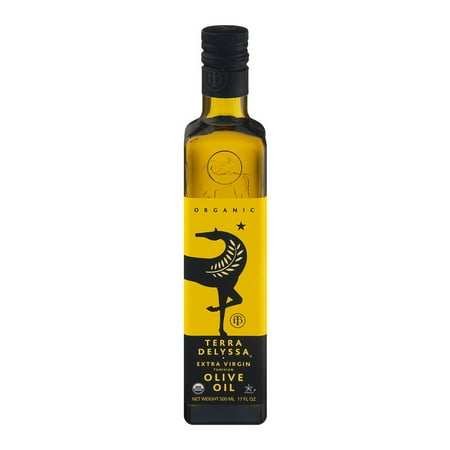
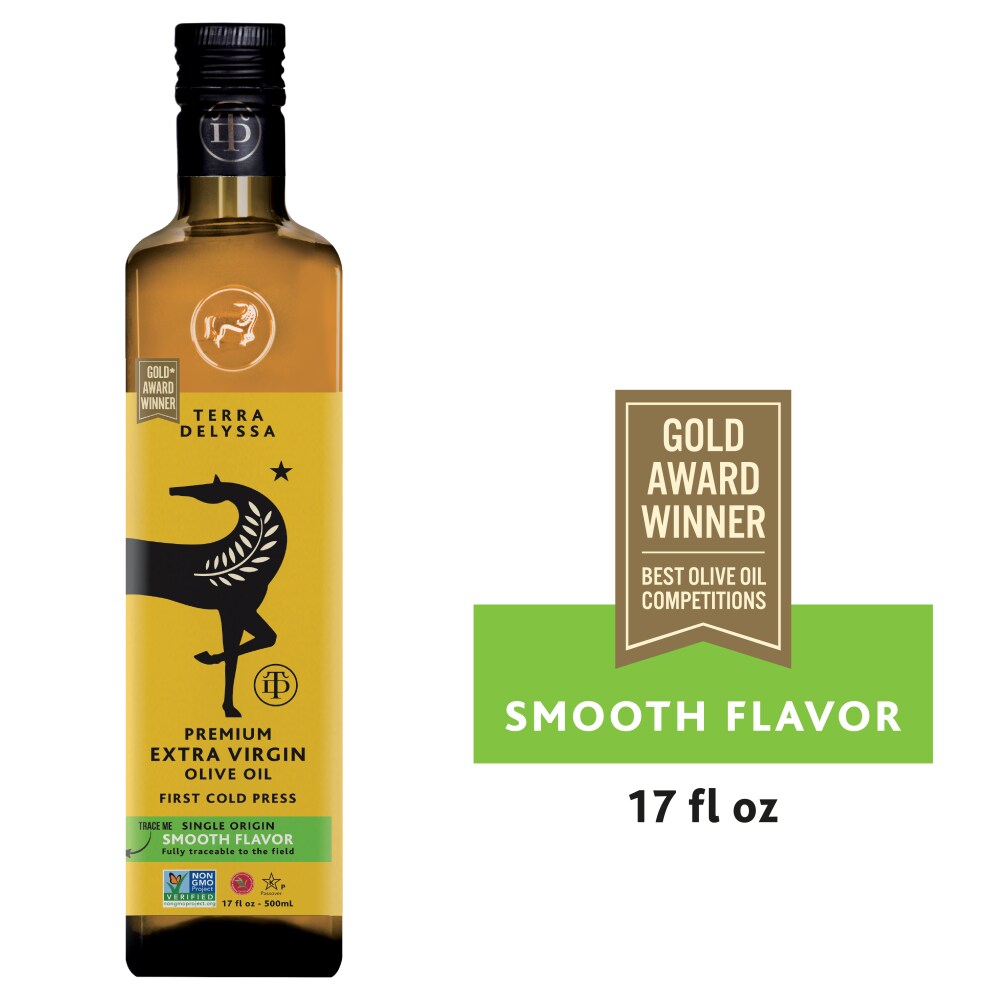
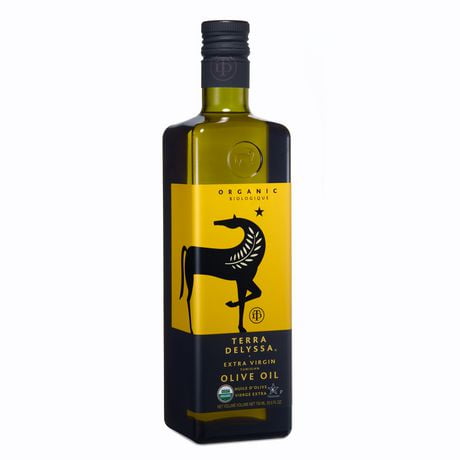

Terra Delyssa Olivenöl
Analysis updated May 2026 · How Scout scores
At a glance
Summary
This product is composed primarily of olive oil, which is a minimally processed, high-quality fat known for its health benefits. The ingredients are natural and free from artificial additives or preservatives, contributing to a clean label and a high score. The processing level is low, as it involves simple extraction and refinement processes typical for culinary oils.
Key ingredients 8
Olive Oil
Olive oil is a natural oil extracted from olives, commonly used in cooking and as a salad dressing. It is rich in monounsaturated fats, particularly oleic acid, which is considered heart-healthy. Olive oil is also a source of antioxidants.
Risks
Excessive consumption can lead to high caloric intake and potential weight gain.
Benefits
It may help reduce inflammation and lower the risk of chronic diseases such as heart disease.
Triglycerides
Triglycerides are the main constituents of body fat in humans and animals, as well as vegetable fat. They are a type of fat found in your blood that your body uses for energy. Triglycerides are stored in fat cells and released as needed.
Risks
High levels of triglycerides in the blood can increase the risk of heart disease.
Benefits
They provide a major source of energy and are essential for the absorption of fat-soluble vitamins.
Oleic Acid
Oleic acid is a monounsaturated fatty acid found in various animal and vegetable fats and oils. It is the most common fatty acid in nature and is known for its health benefits. Oleic acid is a major component of olive oil.
Risks
There are minimal risks associated with oleic acid when consumed in moderation.
Benefits
It is known to reduce inflammation and may have beneficial effects on genes linked to cancer.
Palmitic Acid
Palmitic acid is a saturated fatty acid found in both animals and plants. It is one of the most common saturated fatty acids in the human body. Palmitic acid is used in the production of soaps, cosmetics, and food additives.
Risks
High intake of palmitic acid can increase cholesterol levels and the risk of heart disease.
Benefits
It serves as a source of energy and is involved in the synthesis of lipids in the body.
Stearic Acid
Stearic acid is a saturated fatty acid found in animal and plant fats. It is used in the production of detergents, soaps, and cosmetics. Stearic acid is also present in many foods as a component of triglycerides.
Risks
Excessive consumption of saturated fats like stearic acid can contribute to heart disease.
Benefits
Unlike other saturated fats, stearic acid does not appear to raise cholesterol levels.
Palmitoleic Acid
Palmitoleic acid is a monounsaturated fatty acid found in the liver, adipose tissue, and in the oils of certain plants. It is a component of the omega-7 fatty acids. Palmitoleic acid is involved in the regulation of metabolism.
Risks
There are limited studies on the risks of palmitoleic acid, but excessive intake of any fatty acid can lead to imbalances.
Benefits
It may have beneficial effects on insulin sensitivity and lipid metabolism.
Linoleic Acid
Linoleic acid is a polyunsaturated omega-6 fatty acid found in many vegetable oils. It is an essential fatty acid, meaning it must be obtained through the diet. Linoleic acid is important for maintaining the structural integrity of cell membranes.
Risks
High intake of omega-6 fatty acids relative to omega-3s can promote inflammation.
Benefits
It is essential for growth and development and plays a role in skin health.
α-Linolenic Acid
α-Linolenic acid is a polyunsaturated omega-3 fatty acid found in seeds, nuts, and vegetable oils. It is an essential fatty acid that must be obtained through the diet. α-Linolenic acid is a precursor to other omega-3 fatty acids like EPA and DHA.
Risks
Excessive intake can lead to an imbalance with omega-6 fatty acids, potentially affecting inflammation.
Benefits
It is beneficial for heart health and may reduce the risk of cardiovascular diseases.
Get the full breakdown in the Scout appTake Scout shopping
Scan any product to see lab results, healthy alternatives, and your personalized analysis.
Download on theApp Store GET IT ONGoogle PlayAmazon pricing & content
Amazon price as of . Product prices and availability are accurate as of the date/time indicated and are subject to change. Any price and availability information displayed on Amazon.com at the time of purchase will apply to the purchase of this product.
CERTAIN CONTENT THAT APPEARS ON THIS SITE COMES FROM AMAZON. THIS CONTENT IS PROVIDED “AS IS” AND IS SUBJECT TO CHANGE OR REMOVAL AT ANY TIME.