
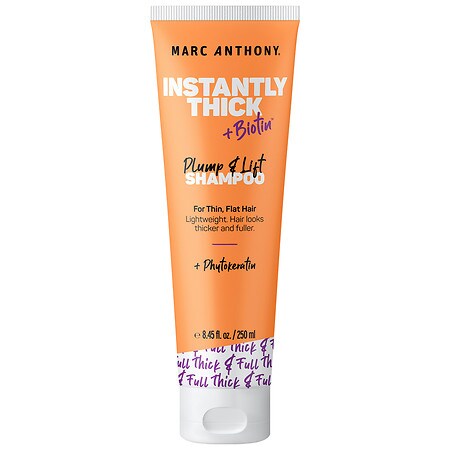

Marc Anthony Instantly Thick Biotin and Aloe Shampoo For Fine Hair - Hair Thickening Biotin Shampoo For Thick and Full Hair - Volumizing & Thickening Biotin Shampoo for Dry Fine Hair
Summary
This shampoo contains beneficial ingredients like biotin, panthenol, and hydrolyzed proteins that support hair health and moisture retention. However, it also includes several synthetic compounds such as PEG derivatives and phenoxyethanol, which can be potential irritants and may contain harmful contaminants. The presence of synthetic fragrances and preservatives further contributes to its moderate processing level, impacting the overall score.
At a glance
Key ingredients 33
AquaNeutral
Aqua, or water, is used as a solvent in this shampoo. It helps dissolve other ingredients and provides a base for the formulation. No significant health risks or benefits are associated with this ingredient.
See more about Aqua →Sodium C14-16 Olefin SulfonateBad
Sodium C14-16 Olefin Sulfonate is a surfactant used for its cleansing properties. It can be harsh on the skin and strip natural oils. It is a synthetic ingredient and may cause irritation in sensitive individuals.
Risks
Potential to cause skin irritation and dryness due to its harsh cleansing nature.
Benefits
Effective at removing dirt and oil from hair and scalp.
Cocamidopropyl BetaineNeutral
Cocamidopropyl Betaine is a mild surfactant derived from coconut oil. It is used to reduce irritation from harsher surfactants. It is generally considered safe but can cause allergic reactions in some people.
Risks
May cause allergic reactions or skin irritation in sensitive individuals.
Benefits
Helps to create a rich lather and reduce irritation from other surfactants.
Peg-4 RapeseedamideBad
Peg-4 Rapeseedamide is an emulsifier and surfactant derived from rapeseed oil. It is a synthetic compound that can be contaminated with ethylene oxide and 1,4-dioxane. These contaminants are potential carcinogens.
Risks
Potential contamination with carcinogenic substances like ethylene oxide and 1,4-dioxane.
GlycerinVery Good
Glycerin is a humectant that attracts moisture to the hair and skin. It is derived from natural sources and is known for its moisturizing properties. It helps maintain hydration and improve hair texture.
Benefits
Excellent moisturizing properties that help keep hair hydrated and soft.
BiotinGood
Biotin, also known as Vitamin B7, is included for its potential to strengthen hair. It is a water-soluble vitamin that supports hair health. While topical application may not be as effective as oral intake, it is still beneficial.
Benefits
Supports hair strength and health, potentially reducing hair breakage.
PanthenolGood
Panthenol, or Pro-Vitamin B5, is used for its moisturizing and conditioning properties. It penetrates the hair shaft to improve moisture retention. It enhances hair elasticity and shine.
Benefits
Improves hair moisture, elasticity, and shine.
Tocopheryl AcetateGood
Tocopheryl Acetate is a form of Vitamin E used for its antioxidant properties. It helps protect hair from environmental damage. It is a stable form of Vitamin E that is easily absorbed.
Benefits
Provides antioxidant protection and supports hair health.
TocopherolGood
Tocopherol is a natural form of Vitamin E that acts as an antioxidant. It helps protect hair from oxidative stress and damage. It is beneficial for maintaining healthy hair and scalp.
Benefits
Offers antioxidant protection and supports overall hair health.
Hydrolyzed Corn ProteinGood
Hydrolyzed Corn Protein is used to strengthen and repair hair. It is a protein derived from corn that helps improve hair elasticity. It can enhance the texture and appearance of hair.
Benefits
Strengthens hair and improves elasticity and texture.
Hydrolyzed Wheat ProteinGood
Hydrolyzed Wheat Protein is included for its ability to strengthen and repair hair. It penetrates the hair shaft to improve moisture retention and elasticity. It is beneficial for damaged or dry hair.
Benefits
Enhances hair strength, moisture retention, and elasticity.
Hydrolyzed Soy ProteinGood
Hydrolyzed Soy Protein is used to strengthen and condition hair. It is derived from soy and helps improve hair texture and manageability. It is beneficial for maintaining healthy hair.
Benefits
Improves hair strength, texture, and manageability.
Butyrospermum Parkii ButterVery Good
Butyrospermum Parkii Butter, or Shea Butter, is a natural moisturizer. It is rich in fatty acids and vitamins that nourish and condition hair. It helps improve hair softness and manageability.
Benefits
Deeply moisturizes and conditions hair, enhancing softness and manageability.
Helianthus Annuus Seed OilVery Good
Helianthus Annuus Seed Oil, or Sunflower Seed Oil, is used for its emollient properties. It is rich in essential fatty acids and Vitamin E, which nourish and protect hair. It helps improve hair texture and shine.
Benefits
Nourishes and protects hair, enhancing texture and shine.
Aloe Barbadensis Leaf JuiceVery Good
Aloe Barbadensis Leaf Juice is known for its soothing and moisturizing properties. It is derived from the aloe plant and helps hydrate and calm the scalp. It is beneficial for maintaining a healthy scalp environment.
Benefits
Hydrates and soothes the scalp, promoting a healthy scalp environment.
Guar Hydroxypropyltrimonium ChlorideNeutral
Guar Hydroxypropyltrimonium Chloride is a conditioning agent derived from guar gum. It helps improve hair manageability and reduce static. It is generally considered safe with no significant health concerns.
Benefits
Improves hair manageability and reduces static.
Peg-120 Methyl Glucoside DioleateBad
Peg-120 Methyl Glucoside Dioleate is an emulsifier and thickener. It is a synthetic compound that can be contaminated with ethylene oxide and 1,4-dioxane. These contaminants are potential carcinogens.
Risks
Potential contamination with carcinogenic substances like ethylene oxide and 1,4-dioxane.
Peg-7 Glyceryl CocoateBad
Peg-7 Glyceryl Cocoate is an emulsifier and surfactant derived from coconut oil. It is a synthetic compound that can be contaminated with ethylene oxide and 1,4-dioxane. These contaminants are potential carcinogens.
Risks
Potential contamination with carcinogenic substances like ethylene oxide and 1,4-dioxane.
Polyquaternium-10Neutral
Polyquaternium-10 is a conditioning agent that helps improve hair texture. It is a synthetic polymer that provides a smooth feel to hair. It is generally considered safe with no significant health concerns.
Benefits
Improves hair texture and provides a smooth feel.
Polyquaternium-55Neutral
Polyquaternium-55 is a film-forming agent that provides hold and style retention. It is a synthetic polymer used in hair styling products. It is generally considered safe with no significant health concerns.
Benefits
Provides hold and style retention for hair.
Glycol DistearateNeutral
Glycol Distearate is used as a pearlizing agent to give the shampoo a creamy appearance. It is a synthetic compound that is generally considered safe. It does not provide significant health benefits or risks.
See more about Glycol Distearate →Disodium Laureth SulfosuccinateNeutral
Disodium Laureth Sulfosuccinate is a mild surfactant used for cleansing. It is less irritating than traditional sulfates and is considered safe for most users. It effectively removes dirt and oil from hair.
Benefits
Provides effective cleansing with reduced irritation compared to traditional sulfates.
Polyquaternium-7Neutral
Polyquaternium-7 is a conditioning agent that helps improve hair texture and manageability. It is a synthetic polymer that provides a smooth feel to hair. It is generally considered safe with no significant health concerns.
Benefits
Improves hair texture and manageability.
Sodium ChlorideNeutral
Sodium Chloride, or table salt, is used to adjust the viscosity of the shampoo. It is a natural ingredient that is generally considered safe. It does not provide significant health benefits or risks.
See more about Sodium Chloride →Citric AcidNeutral
Citric Acid is used to adjust the pH of the shampoo. It is a natural acid derived from citrus fruits and is generally considered safe. It helps maintain the stability and effectiveness of the product.
Benefits
Helps maintain product stability and effectiveness by adjusting pH.
ChlorphenesinBad
Chlorphenesin is a preservative used to prevent microbial growth. It is a synthetic compound that can cause skin irritation in some individuals. It is considered a potential allergen.
Risks
May cause skin irritation or allergic reactions in sensitive individuals.
PhenoxyethanolBad
Phenoxyethanol is a preservative used to prevent microbial growth. It is a synthetic compound that can cause skin irritation and allergic reactions. It is considered a potential neurotoxin.
Risks
Potential to cause skin irritation, allergic reactions, and neurotoxicity.
Sodium BenzoateNeutral
Sodium Benzoate is a preservative used to prevent microbial growth. It is a synthetic compound that is generally considered safe in low concentrations. It does not provide significant health benefits or risks.
See more about Sodium Benzoate →ParfumBad
Parfum, or fragrance, is used to provide a pleasant scent to the shampoo. It is a synthetic blend that can contain allergens and irritants. It is considered a potential allergen and irritant.
Risks
May cause allergic reactions or skin irritation in sensitive individuals.
Benzyl BenzoateBad
Benzyl Benzoate is used as a fragrance ingredient and solvent. It is a synthetic compound that can cause skin irritation and allergic reactions. It is considered a potential allergen.
Risks
May cause skin irritation or allergic reactions in sensitive individuals.
Hexyl CinnamalBad
Hexyl Cinnamal is a fragrance ingredient used to impart a floral scent. It is a synthetic compound that can cause allergic reactions. It is considered a potential allergen.
Risks
May cause allergic reactions in sensitive individuals.
LimoneneNeutral
Limonene is a fragrance ingredient derived from citrus oils. It is used to impart a fresh scent and is generally considered safe. It can cause skin irritation in sensitive individuals.
Risks
May cause skin irritation in sensitive individuals.
Benefits
Provides a fresh citrus scent to the product.
LinaloolNeutral
Linalool is a fragrance ingredient used to impart a floral scent. It is a naturally occurring terpene alcohol found in many flowers and spice plants. It can cause skin irritation in sensitive individuals.
Risks
May cause skin irritation in sensitive individuals.
Benefits
Provides a floral scent to the product.
Processing
Processed Foods
Get the full breakdown in the Scout app
Scan any product to see lab results, healthy alternatives, and your personalized analysis.
Download on theApp Store