
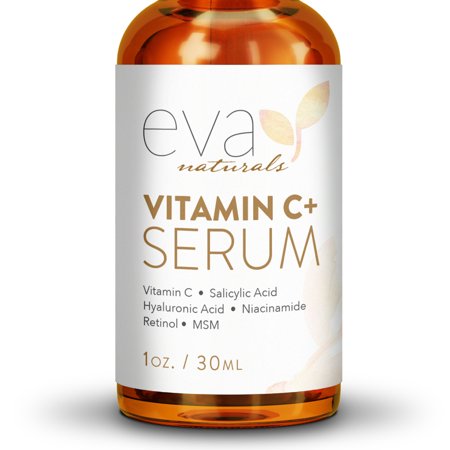
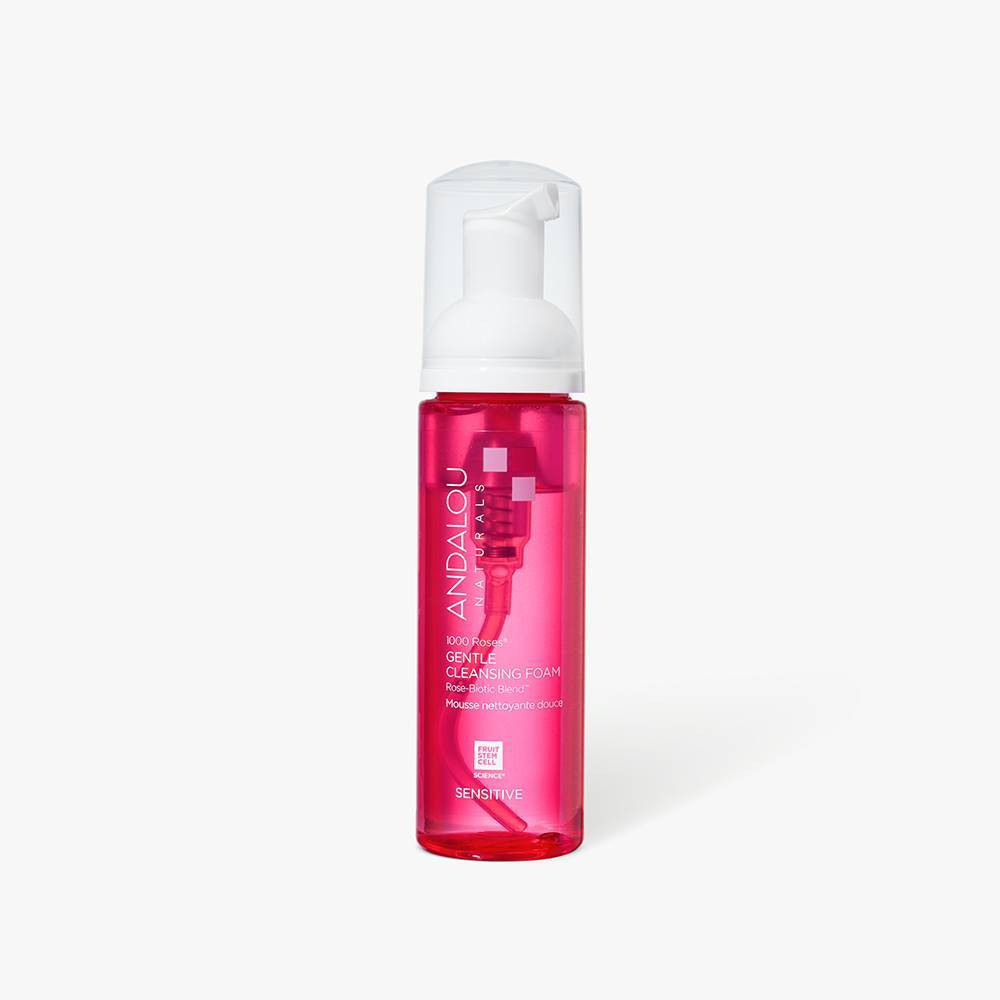
Eva Naturals Vitamin C Serum Plus Skin Clearing Serum Acne Face Treatment
Analysis updated July 2026 · How Scout scores
At a glance
Summary
This Vitamin C Serum contains beneficial ingredients like Vitamin C, which is known for its antioxidant properties and skin-brightening effects. However, the presence of synthetic preservatives and potential irritants slightly lowers its score. The product is moderately processed, with a mix of natural and synthetic components, but lacks major harmful substances like parabens or sulfates.
Key ingredients 26
Sodium Ascorbyl Phosphate (Vitamin C)Very Good
Sodium Ascorbyl Phosphate is a stable form of Vitamin C, known for its antioxidant properties. It helps brighten the skin and reduce signs of aging.
Risks
In rare cases, it may cause mild irritation or allergic reactions.
Benefits
It boosts collagen production and protects against UV damage.
Squalane (From Olive Oil)Very Good
Squalane is a highly effective moisturizer that mimics the skin's natural oils. It is non-comedogenic and suitable for all skin types.
Risks
There are no significant risks associated with squalane.
Benefits
It provides deep hydration and helps maintain skin's moisture balance.
Rosa Canina Fruit Oil (Organic Rosehip Seed)Very Good
Rosehip seed oil is rich in essential fatty acids and antioxidants. It helps regenerate skin cells and repair damaged tissue.
Risks
May cause allergic reactions in sensitive individuals.
Benefits
It reduces scars and fine lines, promoting a youthful appearance.
Retinol (Vitamin A)Very Good
Retinol is a potent anti-aging ingredient that accelerates cell turnover. It helps reduce wrinkles and improve skin texture.
Risks
Can cause irritation and increased sensitivity to sunlight.
Benefits
It stimulates collagen production and reduces acne.
Tocopherol (Vitamin E)Very Good
Tocopherol is an antioxidant that protects the skin from free radical damage. It helps moisturize and soothe the skin.
Risks
Generally safe, but may cause contact dermatitis in rare cases.
Benefits
It enhances skin barrier function and reduces inflammation.
Caesalpinia Spinosa Gum (Tara, Botanical Hyaluronic Acid)Very Good
This ingredient acts as a natural moisturizer, providing hydration to the skin. It helps maintain skin elasticity and smoothness.
Risks
There are no significant risks associated with this ingredient.
Benefits
It enhances skin hydration and reduces the appearance of fine lines.
Centella Asiatica Extract (Organic Gotu Kola)Very Good
Centella Asiatica is known for its wound healing and anti-inflammatory properties. It helps soothe irritated skin and promotes collagen synthesis.
Risks
Rarely, it may cause allergic reactions.
Benefits
It improves skin firmness and reduces redness.
Glycerin (Kosher, Vegetable)Very Good
Glycerin is a humectant that attracts moisture to the skin. It helps maintain hydration and improve skin barrier function.
Risks
There are no significant risks associated with glycerin.
Benefits
It keeps the skin soft and supple.
Dimethyl Sulfone (Msm)Good
MSM is known for its anti-inflammatory properties and is used to improve skin health. It can help reduce redness and improve skin texture.
Risks
There are minimal risks, but some individuals may experience mild irritation.
Benefits
It supports collagen production and can enhance skin elasticity.
Niacinamide (Vitamin B3)Good
Niacinamide is a versatile skincare ingredient that improves skin barrier function and reduces inflammation. It is effective in treating acne and hyperpigmentation.
Risks
Generally well-tolerated, but high concentrations may cause mild irritation.
Benefits
It enhances skin hydration and reduces fine lines.
Salicylic AcidGood
Salicylic acid is a beta hydroxy acid that exfoliates the skin and unclogs pores. It is effective in treating acne and reducing blackheads.
Risks
Can cause dryness and irritation, especially in sensitive skin.
Benefits
It promotes clearer skin and reduces acne breakouts.
Equisetum Arvense Extract (Horsetail)Good
Horsetail extract is rich in silica, which supports skin health and elasticity. It has antioxidant properties that protect the skin.
Risks
May cause irritation in sensitive individuals.
Benefits
It strengthens skin and promotes a youthful appearance.
Geranium Maculatum Extract (Wild Geranium)Good
Wild Geranium extract has astringent properties that help tighten the skin. It is also known for its anti-inflammatory effects.
Risks
May cause irritation or allergic reactions in some people.
Benefits
It reduces the appearance of pores and soothes the skin.
Taraxacum Officinale Extract (Organic Dandelion)Good
Dandelion extract is rich in antioxidants and vitamins that nourish the skin. It helps detoxify and improve skin clarity.
Risks
Generally safe, but may cause irritation in sensitive skin.
Benefits
It promotes a clear and radiant complexion.
Melaleuca Alternifolia Leaf Oil (Tea Tree Essential Oil)Good
Tea tree oil is known for its antimicrobial and anti-inflammatory properties. It is effective in treating acne and reducing redness.
Risks
Can cause irritation or allergic reactions in some individuals.
Benefits
It helps clear acne and soothes inflamed skin.
Lavandula Officinalis Flower Oil (Lavender Essential Oil)Good
Lavender oil has calming and soothing properties that benefit the skin. It helps reduce redness and irritation.
Risks
May cause allergic reactions or irritation in sensitive skin.
Benefits
It promotes relaxation and improves skin tone.
Cananga Odorata Flower Oil (Ylang Essential Oil)Good
Ylang Ylang oil is known for its balancing and soothing effects on the skin. It helps regulate oil production and improve skin texture.
Risks
Can cause irritation or allergic reactions in some individuals.
Benefits
It enhances skin radiance and reduces signs of aging.
Aqua (Deionized Water)Neutral
Aqua is used as a solvent in cosmetic formulations. It helps dissolve other ingredients and provides a base for the serum. It is generally considered safe and inert.
Risks
There are no significant risks associated with deionized water.
Benefits
It acts as a carrier for active ingredients, ensuring even distribution.
Pentylene GlycolNeutral
Pentylene Glycol is used as a solvent and skin-conditioning agent. It helps improve the texture and spreadability of products.
Risks
Generally safe, but may cause irritation in sensitive individuals.
Benefits
It enhances product stability and skin hydration.
Polysorbate 20Neutral
Polysorbate 20 is an emulsifier that helps blend oil and water-based ingredients. It is commonly used in cosmetic formulations.
Risks
May cause mild irritation in sensitive skin.
Benefits
It improves product consistency and application.
AlcoholNeutral
Standard formulation ingredient — neither beneficial nor harmful at typical use.
Risks
Can cause dryness, irritation, and disrupt the skin barrier.
Benefits
It helps dissolve other ingredients and enhance product penetration.
Monobasic Potassium PhosphateNeutral
This ingredient is used as a buffering agent to maintain pH balance in formulations. It helps stabilize the product.
Risks
There are no significant risks associated with this ingredient.
Benefits
It ensures product stability and effectiveness.
Ethylhexylglycerin (Preservative)Neutral
Ethylhexylglycerin is used as a preservative and skin-conditioning agent. It helps enhance the efficacy of other preservatives.
Risks
Generally considered safe, but may cause irritation in sensitive skin.
Benefits
It provides antimicrobial protection and improves skin feel.
Acrylates/C10-30 Alkyl Acrylate CrosspolymerBad
Processed additive flagged under Scout's ingredient doctrine.
Risks
Generally considered safe, but may cause irritation in sensitive skin.
Benefits
It enhances the consistency and feel of the product.
LecithinBad
Processed additive flagged under Scout's ingredient doctrine.
Risks
There are no significant risks associated with lecithin.
Benefits
It improves skin texture and moisture retention.
Phenoxyethanol (Preservative)Bad
Phenoxyethanol is a preservative used to prevent microbial growth. It can cause skin irritation and allergic reactions in some individuals.
Risks
Potential for skin irritation and allergic reactions.
Benefits
It extends the shelf life of cosmetic products.
Get the full breakdown in the Scout appTake Scout shopping
Scan any product to see lab results, healthy alternatives, and your personalized analysis.
Download on theApp Store GET IT ONGoogle PlayAmazon pricing & content
Amazon price as of . Product prices and availability are accurate as of the date/time indicated and are subject to change. Any price and availability information displayed on Amazon.com at the time of purchase will apply to the purchase of this product.
CERTAIN CONTENT THAT APPEARS ON THIS SITE COMES FROM AMAZON. THIS CONTENT IS PROVIDED “AS IS” AND IS SUBJECT TO CHANGE OR REMOVAL AT ANY TIME.