


At a glance
Summary
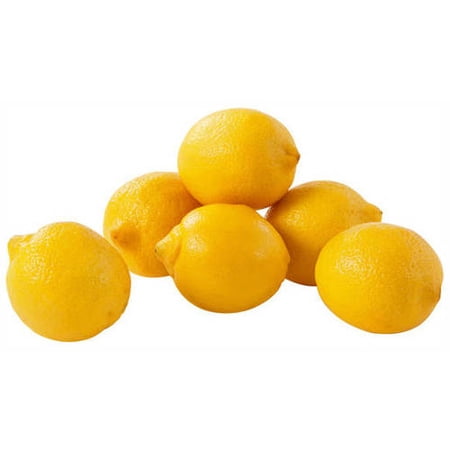
Organic lemons are a nutritious whole food, rich in vitamin C and antioxidants, which support immune function and skin health. However, the product is classified as ultra-processed due to the use of food-grade coatings like beeswax, which, while generally safe, can cause allergic reactions in some individuals. The processing level limits the score despite the high quality of the primary ingredient.
Key ingredients 6
Organic lemonsVery Good
Organic lemons are a rich source of vitamin C and antioxidants, supporting immune function and skin health. Being organic, they are grown without synthetic pesticides or fertilizers, reducing exposure to harmful chemicals. They also provide dietary fiber, which aids in digestion.
Benefits
Rich in vitamin C and antioxidants, which support immune health and reduce oxidative stress. The fiber content aids in digestion and promotes gut health.
BeeswaxNeutral
Beeswax is used as a coating to preserve freshness and prevent moisture loss in fruits. It is a natural product derived from honeybees and is generally recognized as safe for consumption. However, it does not provide significant nutritional benefits.
Benefits
Helps maintain the freshness and moisture of fruits, extending their shelf life.
Carnauba waxNeutral
Carnauba wax is a natural wax obtained from the leaves of the carnauba palm and is used as a coating to maintain fruit freshness. It is considered safe for consumption and is commonly used in the food industry. It does not contribute any nutritional value.
Benefits
Provides a protective coating that helps preserve the freshness and appearance of fruits.
Resin/waxNeutral
Resin or wax coatings are used to protect fruits from moisture loss and spoilage. These coatings are generally recognized as safe and are widely used in the food industry. They do not offer nutritional benefits.
Benefits
Helps extend the shelf life of fruits by preventing moisture loss and spoilage.
Vegetable waxNeutral
Vegetable wax is used as a coating to maintain the freshness of fruits. It is derived from plant sources and is considered safe for consumption. It does not provide any nutritional benefits.
Benefits
Helps preserve the freshness and appearance of fruits, extending their shelf life.
E901Bad
E901, also known as beeswax, is used as a glazing agent in food products. While it is generally recognized as safe, it can cause allergic reactions in sensitive individuals. It does not provide any nutritional benefits.
Risks
May cause allergic reactions in individuals sensitive to bee products.
Processing
Ultra-Processed Foods
Get the full breakdown in the Scout appTake Scout shopping
Scan any product to see lab results, healthy alternatives, and your personalized analysis.
Download on theApp Store GET IT ONGoogle Play