

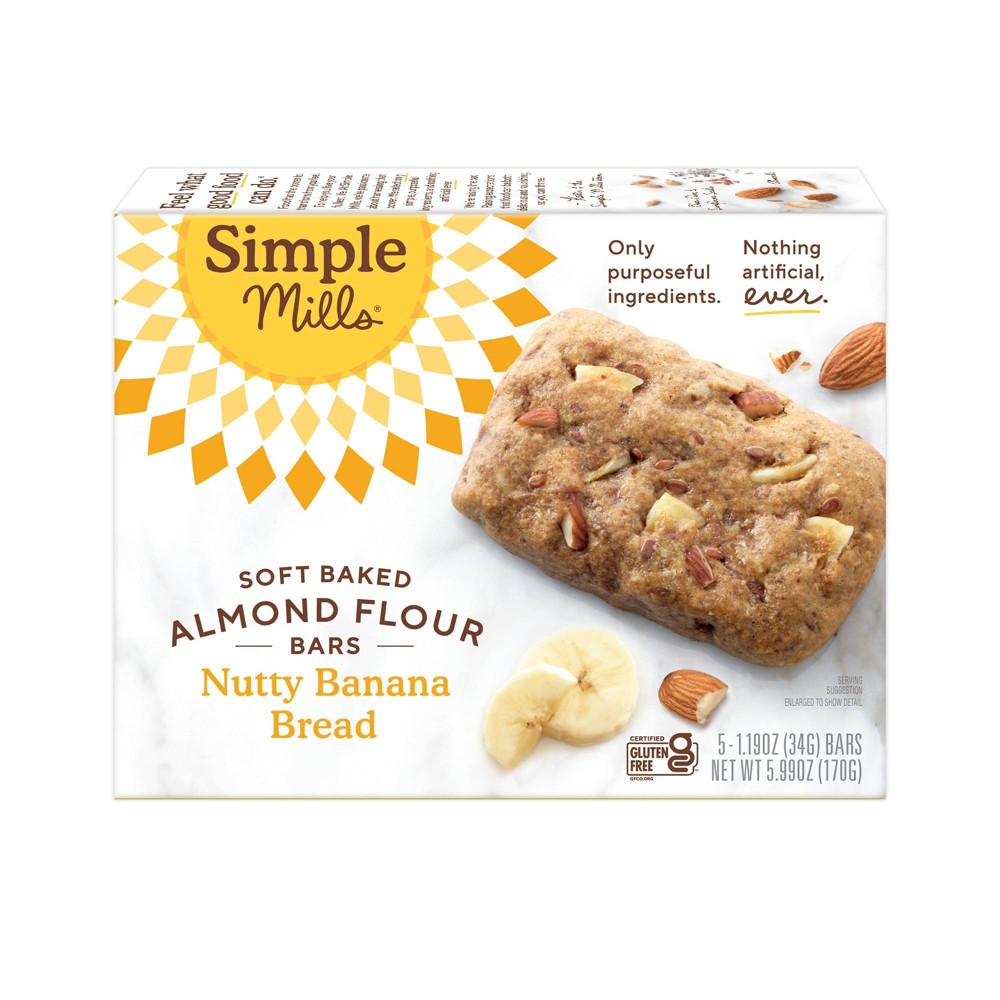
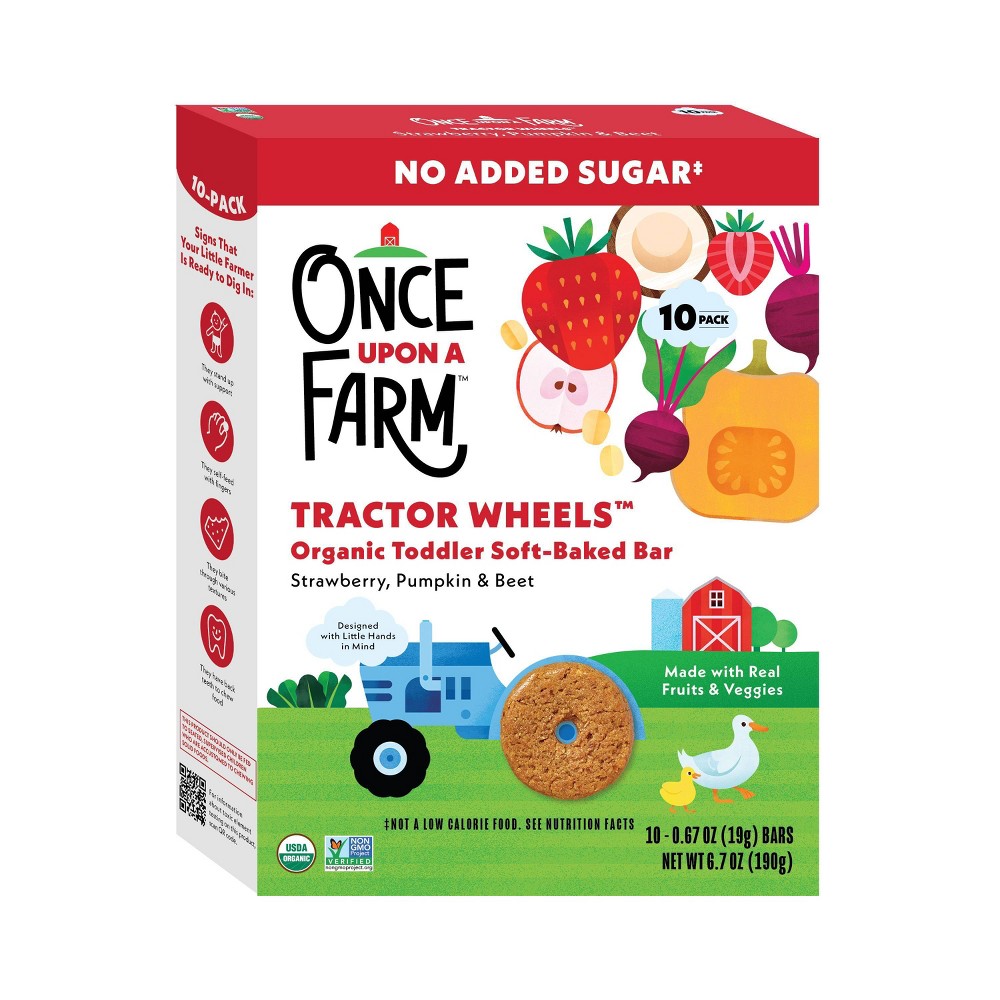
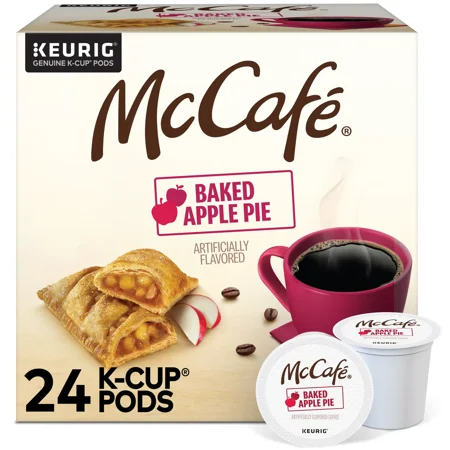

Organic Soft Baked Cookie Bites
Summary
This product contains a mix of beneficial ingredients like oat flour and ground chia seeds, which contribute to its nutritional profile. However, it is heavily processed and includes refined sugars such as invert cane syrup and cane sugar, as well as sunflower oil, which is high in omega-6 fatty acids. The presence of multiple additives and the use of palm fruit oil further impact its healthiness negatively.
At a glance
Key ingredients 16
Gluten free flour blendNeutral
A blend of various gluten-free flours used as a base for baking. It provides structure and texture to baked goods without gluten. The specific nutritional profile depends on the types of flours used in the blend.
Benefits
Allows those with gluten sensitivities to enjoy baked goods without adverse effects.
Oat flourGood
Oat flour is a whole grain flour that is high in fiber and nutrients. It provides a nutty flavor and helps improve the nutritional profile of baked goods. It is often used in gluten-free baking for its health benefits.
Risks
May contain traces of gluten if not certified gluten-free.
Benefits
Rich in beta-glucans, which can help lower cholesterol levels and support heart health.
Tapioca starchNeutral
Tapioca starch is a refined carbohydrate used as a thickener and texture enhancer. It is derived from the cassava root and is gluten-free. It provides a chewy texture to baked goods.
Benefits
Provides a gluten-free alternative for thickening and improving texture in baked goods.
Ground chia seedsVery Good
Chia seeds are a nutrient-dense superfood rich in omega-3 fatty acids, fiber, and protein. Ground chia seeds are used to improve texture and nutritional content. They can absorb liquid and act as a binding agent in recipes.
Benefits
High in omega-3 fatty acids, which support heart health and reduce inflammation.
Invert cane syrupBad
Invert cane syrup is a liquid sweetener made from sugar cane. It is used to enhance sweetness and moisture retention in baked goods. It is a refined sugar with a high glycemic index.
Risks
High sugar content can contribute to obesity, diabetes, and other metabolic disorders when consumed in excess.
Benefits
Provides a smooth texture and enhances the sweetness of products.
Palm fruit oilBad
Palm fruit oil is a saturated fat used for its stability and texture in processed foods. It is often criticized for its environmental impact due to deforestation. While it is less processed than some oils, it is still high in saturated fats.
Risks
High saturated fat content may contribute to heart disease if consumed in large amounts.
Benefits
Provides a stable cooking fat that is resistant to oxidation.
Chocolate chipsGood
Chocolate chips are made from cocoa solids, cocoa butter, and sugar. They add flavor and texture to baked goods. Dark chocolate chips can provide antioxidants and minerals.
Risks
Contains sugar, which can contribute to health issues if consumed in excess.
Benefits
Dark chocolate is rich in antioxidants and can support heart health.
Cane sugarBad
Cane sugar is a refined sweetener used to enhance flavor. It is a common ingredient in many processed foods. High consumption of refined sugars is linked to various health issues.
Risks
Excessive intake can lead to obesity, diabetes, and dental problems.
Benefits
Provides quick energy but lacks nutritional benefits.
Unsweetened chocolateGood
Unsweetened chocolate is made from pure cocoa solids and cocoa butter. It is rich in antioxidants and has a strong chocolate flavor. It is used in baking to provide a deep chocolate taste without added sugar.
Benefits
Rich in flavonoids, which may improve heart health and reduce inflammation.
Cocoa butterGood
Cocoa butter is a natural fat extracted from cocoa beans. It is used for its smooth texture and chocolate flavor. It contains healthy fats and antioxidants.
Benefits
Contains healthy fats that can support skin health and provide a smooth texture in foods.
Sunflower oilVery Bad
Sunflower oil is a seed oil high in omega-6 fatty acids. It is often used in processed foods for its mild flavor and high smoke point. High omega-6 content can disrupt the omega-3 to omega-6 balance in the diet.
Risks
High omega-6 content may promote inflammation when consumed in excess.
Benefits
Provides a neutral flavor and is stable at high temperatures.
Vegetable glycerinNeutral
Vegetable glycerin is a sugar alcohol used as a sweetener and humectant. It helps retain moisture in foods and has a low glycemic index. It is derived from plant oils and is generally considered safe.
Benefits
Helps maintain moisture and texture in baked goods.
Baking sodaNeutral
Baking soda is a leavening agent used to help baked goods rise. It reacts with acidic ingredients to produce carbon dioxide gas. It is a common and safe ingredient in baking.
Benefits
Essential for leavening and improving texture in baked goods.
Natural flavorBad
Natural flavor is a catch-all term for flavoring agents derived from natural sources. It lacks transparency and can include a wide range of substances. The lack of specificity makes it difficult to assess health impacts.
Risks
Potential for undisclosed allergens or additives.
Benefits
Enhances flavor without adding calories.
Vegetable extractsGood
Vegetable extracts are concentrated forms of vegetables used for flavor and color. They can provide vitamins and antioxidants. They are a natural way to enhance the nutritional profile of foods.
Benefits
Adds nutrients and natural color to foods.
Sea saltGood
Unrefined sea salt — a minimally processed, natural source of sodium and essential trace minerals, and a legitimate whole-food seasoning. Treated as a positive ingredient.
Risks
Excessive sodium intake can lead to high blood pressure and cardiovascular issues.
Benefits
Provides essential minerals and enhances flavor.
Processing
Ultra-Processed Foods
Get the full breakdown in the Scout app
Scan any product to see lab results, healthy alternatives, and your personalized analysis.
Download on theApp Store