
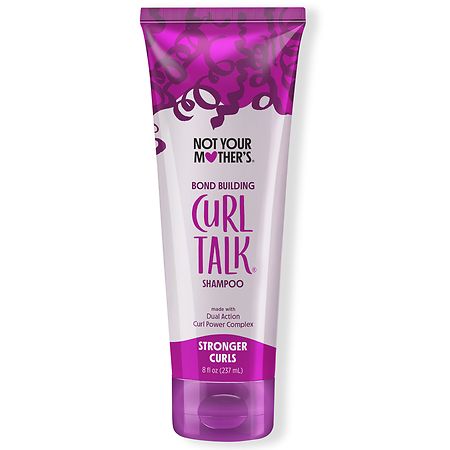
Not Your Mother's Curl Talk Bond Building Hydrating Shampoo for Curly Hair - 8 fl oz: Dye-Free, Paraben-Free, Silicone-Free, Sulfate-Free
Analysis updated July 2026 · How Scout scores
At a glance
Summary
This shampoo features a sulfate-free, silicone-free, and paraben-free formula, which is beneficial for maintaining healthy hair and scalp. It includes gentle surfactants like sodium lauroyl sarcosinate and sodium cocoyl isethionate, along with nourishing ingredients such as avocado oil and rice amino acids. However, the presence of synthetic fragrance is a minor concern, as it can cause irritation in sensitive individuals.
Key ingredients 23
Sodium Cocoyl IsethionateVery Good
Sodium Cocoyl Isethionate is a gentle surfactant derived from coconut oil. It is known for its mildness and ability to produce a creamy lather, making it suitable for sensitive skin and hair. It is biodegradable and considered environmentally friendly.
Risks
There are minimal risks associated with this ingredient, making it suitable for most users.
Benefits
It effectively cleanses without stripping natural oils, leaving hair soft and manageable.
Persea Gratissima (Avocado) OilVery Good
Avocado Oil is rich in vitamins and fatty acids, providing deep nourishment and hydration to the hair. It helps to improve hair elasticity and shine, making it a popular choice for dry or damaged hair. It is also known for its ability to penetrate the hair shaft, delivering nutrients effectively.
Risks
There are no significant risks associated with this ingredient.
Benefits
It deeply nourishes and hydrates hair, improving elasticity and shine.
Mauritia Flexuosa Fruit OilVery Good
Mauritia Flexuosa Fruit Oil, also known as Buriti Oil, is rich in beta-carotene and fatty acids. It provides excellent hydration and protection against environmental damage. It is particularly beneficial for dry and damaged hair, enhancing softness and shine.
Risks
There are no significant risks associated with this ingredient.
Benefits
It hydrates and protects hair, enhancing softness and shine.
Sclerocarya Birrea Seed OilVery Good
Sclerocarya Birrea Seed Oil, commonly known as Marula Oil, is rich in antioxidants and fatty acids. It provides deep nourishment and moisture, improving hair elasticity and reducing frizz. It is particularly beneficial for dry and damaged hair.
Risks
There are no significant risks associated with this ingredient.
Benefits
It nourishes and moisturizes hair, improving elasticity and reducing frizz.
Cocamidopropyl HydroxysultaineGood
Cocamidopropyl Hydroxysultaine is a mild surfactant and foam booster derived from coconut oil. It enhances the cleansing and foaming properties of shampoos while being gentle on the skin. It is often used in formulations for sensitive skin.
Risks
Some individuals may experience mild irritation or allergic reactions.
Benefits
It improves the texture and feel of the product, providing a rich lather and gentle cleansing.
PropanediolGood
Propanediol is a natural, skin-friendly humectant that helps to retain moisture in the hair. It is derived from corn sugar and is used as an alternative to petroleum-based glycols. It enhances the absorption of other ingredients.
Risks
It is generally considered safe, with minimal risk of irritation.
Benefits
It improves moisture retention, leaving hair hydrated and soft.
HydroxypropylgluconamideGood
Hydroxypropylgluconamide is a conditioning agent that helps to strengthen and repair hair bonds. It is known for its ability to improve hair elasticity and reduce breakage. It is particularly beneficial for damaged or chemically treated hair.
Risks
There are no significant risks associated with this ingredient.
Benefits
It enhances hair strength and resilience, reducing damage and breakage.
Hydroxypropylammonium GluconateGood
Hydroxypropylammonium Gluconate is a conditioning agent that works synergistically with Hydroxypropylgluconamide to strengthen hair. It helps to improve hair texture and manageability. It is particularly effective in reducing frizz and enhancing shine.
Risks
There are no significant risks associated with this ingredient.
Benefits
It improves hair texture and appearance, making it smoother and shinier.
ArginineGood
Arginine is an amino acid that plays a role in strengthening hair and promoting healthy growth. It helps to improve blood circulation to the scalp, supporting hair health. It is often used in products aimed at reducing hair loss.
Risks
There are no significant risks associated with this ingredient.
Benefits
It supports hair strength and growth, contributing to overall hair health.
Rice Amino AcidsGood
Rice Amino Acids are derived from rice protein and are known for their conditioning properties. They help to strengthen and repair hair, improving elasticity and reducing breakage. They are particularly beneficial for damaged or chemically treated hair.
Risks
There are no significant risks associated with this ingredient.
Benefits
They enhance hair strength and resilience, reducing damage and breakage.
TocopherolGood
Tocopherol, also known as Vitamin E, is an antioxidant that helps to protect hair from environmental damage. It supports scalp health and can improve hair strength and shine. It is often used in formulations for its protective and nourishing properties.
Risks
There are no significant risks associated with this ingredient.
Benefits
It protects hair from damage and supports scalp health, enhancing strength and shine.
Water (Aqua)Neutral
Water is the primary solvent in many cosmetic products, providing a base for other ingredients. It helps to dissolve and distribute active ingredients evenly. It does not have any direct benefits or risks in the context of a shampoo.
Risks
There are no inherent risks associated with water in cosmetic formulations.
Benefits
Water acts as a carrier for other ingredients, ensuring they are evenly distributed.
Glycol DistearateNeutral
Glycol Distearate is used as a pearlizing agent to give shampoos a creamy appearance. It also acts as an emollient, providing a smooth feel to the hair. It does not have significant cleansing or conditioning properties.
Risks
There are no significant risks associated with this ingredient in cosmetic formulations.
Benefits
It enhances the visual appeal of the product and provides a silky texture.
PEG-150 DistearateNeutral
PEG-150 Distearate is an emulsifier and thickening agent used to stabilize formulations. It helps to blend oil and water-based ingredients, ensuring a consistent texture. It does not have direct benefits for hair health.
Risks
There is a potential for contamination with ethylene oxide or 1,4-dioxane, which are byproducts of the ethoxylation process.
Benefits
It provides stability to the formulation, ensuring a uniform product consistency.
Aspergillus FermentNeutral
Aspergillus Ferment is a fermentation product that can enhance the bioavailability of other ingredients. It is used for its potential to improve the efficacy of active compounds. Its direct benefits in hair care are not well-documented.
Risks
There are no significant risks associated with this ingredient.
Benefits
It may enhance the effectiveness of other ingredients in the formulation.
Polyquaternium-10Neutral
Polyquaternium-10 is a conditioning polymer that helps to improve hair texture and manageability. It provides a smooth feel and reduces static, making hair easier to comb. It does not have significant cleansing or nourishing properties.
Risks
There are no significant risks associated with this ingredient.
Benefits
It improves hair texture and manageability, reducing static and tangling.
Hydroxypropyl Guar Hydroxypropyltrimonium ChlorideNeutral
This ingredient is a conditioning agent derived from guar gum. It helps to improve hair texture and manageability, providing a smooth feel. It is often used in formulations to reduce static and enhance combability.
Risks
There are no significant risks associated with this ingredient.
Benefits
It enhances hair texture and manageability, reducing static and tangling.
Tetrasodium Glutamate DiacetateNeutral
Tetrasodium Glutamate Diacetate is a chelating agent that helps to stabilize formulations by binding metal ions. It enhances the effectiveness of preservatives and improves product stability. It does not have direct benefits for hair health.
Risks
There are no significant risks associated with this ingredient.
Benefits
It stabilizes formulations, enhancing the effectiveness of preservatives.
EthylhexylglycerinNeutral
Ethylhexylglycerin is a preservative and skin-conditioning agent. It enhances the efficacy of other preservatives and provides a mild conditioning effect. It is generally considered safe and non-irritating.
Risks
There are minimal risks associated with this ingredient.
Benefits
It enhances preservative efficacy and provides mild conditioning benefits.
Citric AcidNeutral
Citric Acid is used to adjust the pH of cosmetic formulations, ensuring product stability. It also acts as a mild exfoliant, helping to remove dead skin cells. It does not have significant conditioning or cleansing properties.
Risks
In high concentrations, it may cause irritation to sensitive skin.
Benefits
It stabilizes the product's pH and provides mild exfoliation benefits.
Sodium Lauroyl SarcosinateBad
Processed additive flagged under Scout's ingredient doctrine.
Risks
In rare cases, it may cause mild irritation to sensitive skin.
Benefits
It provides effective cleansing while maintaining the natural moisture balance of the hair.
PhenoxyethanolBad
Processed additive flagged under Scout's ingredient doctrine.
Risks
It may cause irritation or allergic reactions in sensitive individuals.
Benefits
It effectively preserves the product, preventing microbial contamination.
Fragrance (Parfum)Very Bad
Fragrance is a term used to describe a mixture of scent chemicals and ingredients. It can cause allergic reactions and skin irritation in sensitive individuals. The exact composition is often undisclosed, leading to concerns about potential harmful effects.
Risks
It may cause skin irritation or allergic reactions, especially in sensitive individuals.
Benefits
It provides a pleasant scent to the product, enhancing user experience.
Get the full breakdown in the Scout appTake Scout shopping
Scan any product to see lab results, healthy alternatives, and your personalized analysis.
Download on theApp Store GET IT ONGoogle PlayAmazon pricing & content
Amazon price as of . Product prices and availability are accurate as of the date/time indicated and are subject to change. Any price and availability information displayed on Amazon.com at the time of purchase will apply to the purchase of this product.
CERTAIN CONTENT THAT APPEARS ON THIS SITE COMES FROM AMAZON. THIS CONTENT IS PROVIDED “AS IS” AND IS SUBJECT TO CHANGE OR REMOVAL AT ANY TIME.