


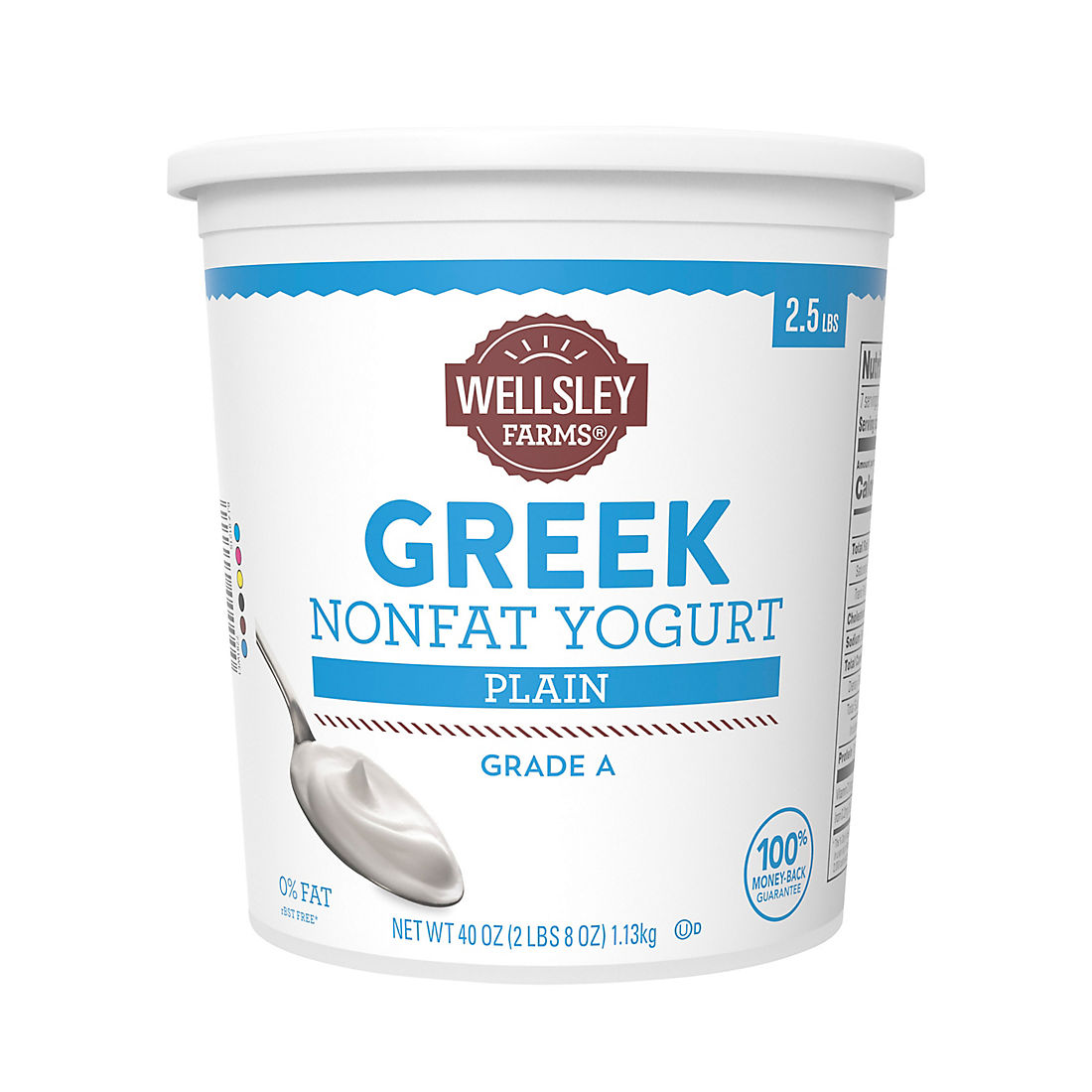
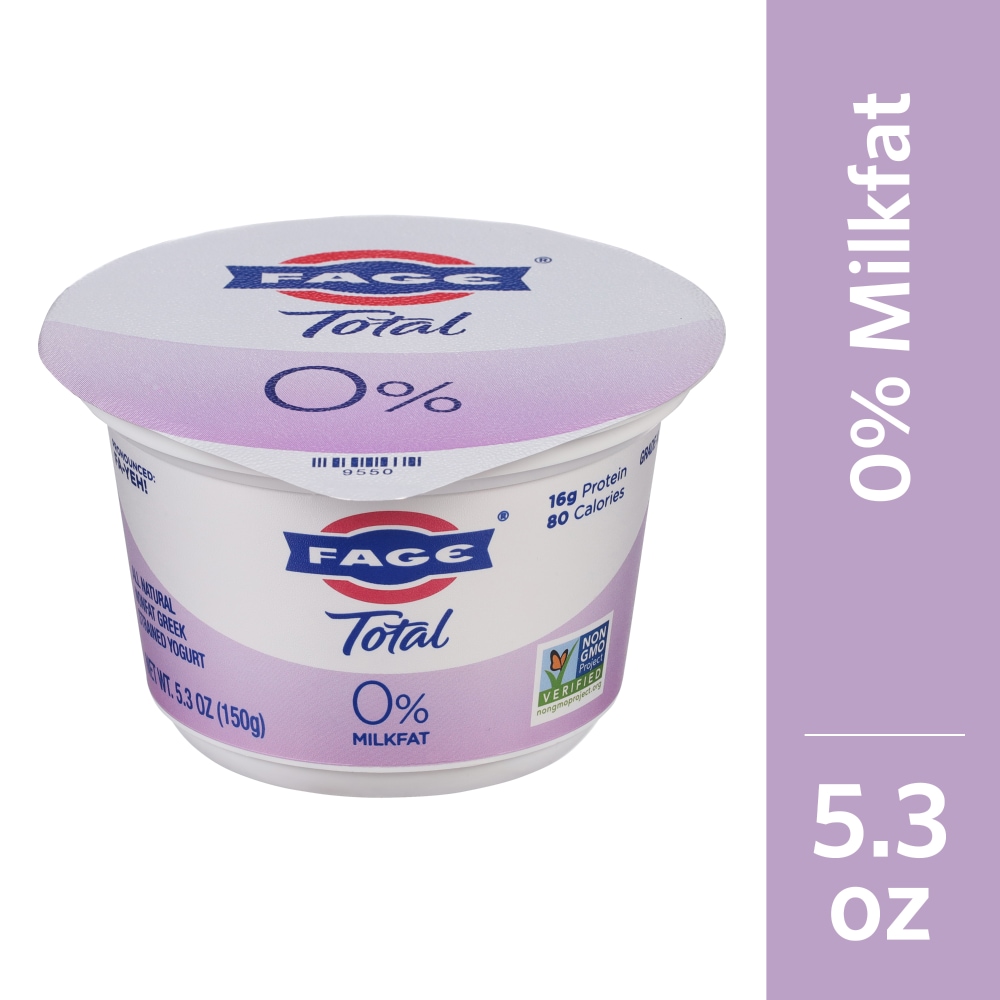
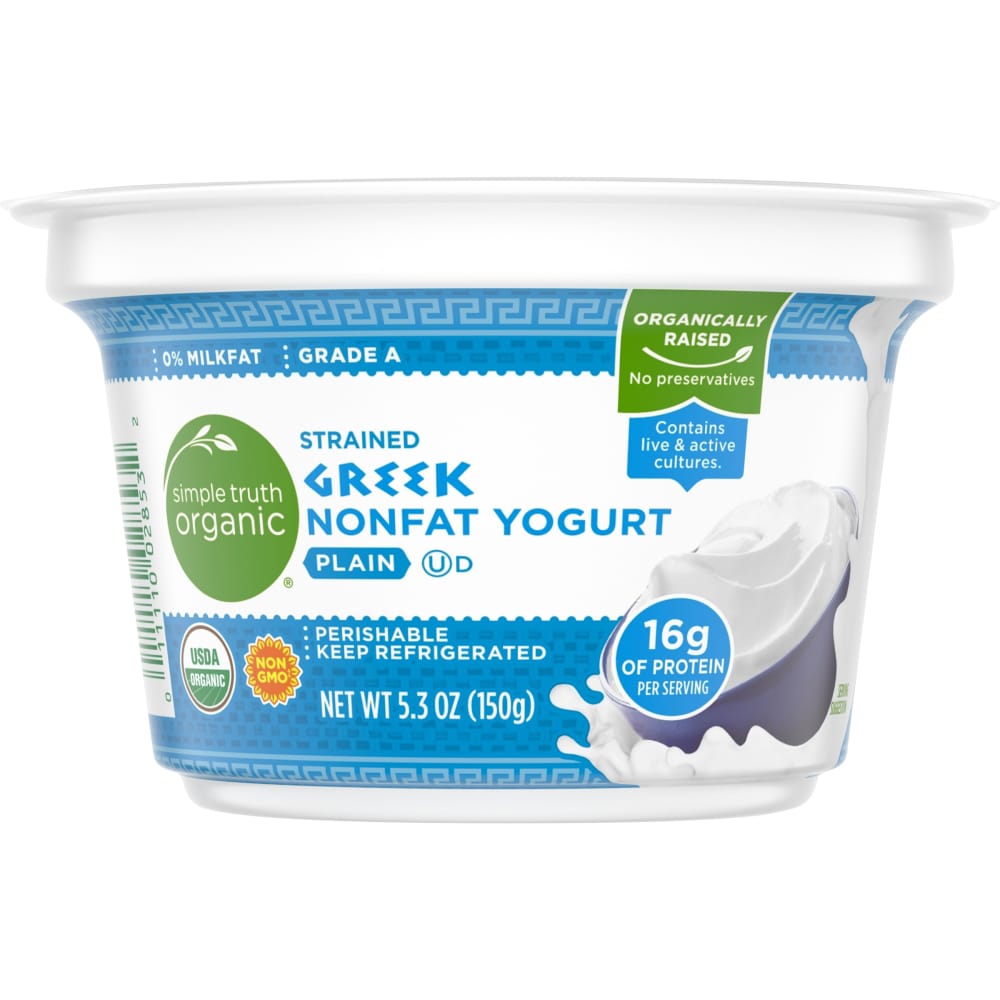
Greek whole milk yogurt plain
Summary
This Greek whole milk yogurt contains beneficial live and active cultures, which support gut health and digestion. However, the presence of milk protein concentrate and its classification as ultra-processed limit its score. Despite its good nutritional profile, the processing level prevents it from achieving a higher rating.
At a glance
Key ingredients 7
Pasteurized Grade A MilkGood
Pasteurized Grade A Milk is a high-quality source of protein and calcium, essential for bone health. The pasteurization process ensures safety by eliminating harmful bacteria while retaining nutritional value. It is a staple in dairy products, providing a rich source of nutrients.
Benefits
Rich in calcium and protein, supporting bone health and muscle maintenance. Provides essential vitamins and minerals necessary for overall health.
Milk Protein ConcentrateNeutral
Milk Protein Concentrate is used to increase the protein content of dairy products. It is derived from milk through filtration processes that concentrate the protein while reducing lactose. This ingredient is beneficial for those seeking higher protein intake but may not be suitable for individuals with lactose intolerance.
Risks
May cause digestive issues in individuals with lactose intolerance or milk allergies.
Benefits
Provides a concentrated source of high-quality protein, beneficial for muscle repair and growth.
S. ThermophilusGood
S. Thermophilus is a probiotic culture used in yogurt production, aiding in fermentation and improving gut health. It helps in the digestion of lactose, making yogurt more tolerable for lactose-sensitive individuals. This culture contributes to the creamy texture and tangy flavor of yogurt.
Benefits
Supports digestive health by promoting a healthy gut microbiome. Enhances lactose digestion, making dairy more accessible to those with lactose sensitivity.
L. BulgaricusGood
L. Bulgaricus is a beneficial bacteria used in yogurt fermentation, contributing to its probiotic properties. It enhances the nutritional profile of yogurt by producing lactic acid, which aids in digestion. This culture is essential for the traditional yogurt-making process.
Benefits
Promotes gut health by supporting a balanced microbiome. Aids in the digestion of lactose and enhances nutrient absorption.
L. AcidophilusGood
L. Acidophilus is a probiotic strain that supports digestive health and boosts the immune system. It is commonly added to yogurt to enhance its probiotic benefits. This strain is known for its ability to survive stomach acid and colonize the intestines.
Benefits
Improves gut health by maintaining a healthy balance of gut bacteria. May enhance immune function and aid in nutrient absorption.
BifidusGood
Bifidus is a probiotic culture that supports digestive health and enhances the immune system. It is often included in yogurt to improve its probiotic content and health benefits. Bifidus helps maintain a healthy gut flora balance.
Benefits
Supports a healthy digestive system by promoting beneficial gut bacteria. May improve immune response and overall gut health.
L. CaseiGood
L. Casei is a probiotic strain that aids in digestion and supports immune health. It is used in yogurt to enhance its probiotic properties and improve gut health. This strain is known for its resilience in the digestive tract.
Benefits
Enhances digestive health by promoting a balanced gut microbiome. May boost immune function and improve lactose digestion.
Processing
Ultra-Processed Foods
Get the full breakdown in the Scout app
Scan any product to see lab results, healthy alternatives, and your personalized analysis.
Download on theApp Store