
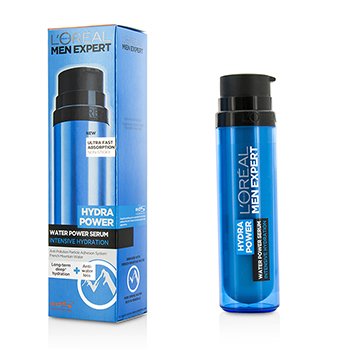
L'Oreal Men Expert Hydra Power Water Power Serum 50ml/1.7oz
Summary
This serum contains a mix of safe and synthetic ingredients, including glycerin and shea butter, which are beneficial for skin hydration. However, the presence of dimethicone and ammonium polyacryloyldimethyl taurate, which are synthetic compounds, slightly lowers the score due to their processed nature. The product is moderately processed, which impacts its overall rating despite the absence of major harmful chemicals.
At a glance
Key ingredients 10
Aqua
Aqua, or water, is the most common ingredient in cosmetics and serves as a solvent. It helps dissolve other ingredients and provides a base for the formulation. It is essential for hydration and texture.
Risks
There are no significant risks associated with water in cosmetics.
Benefits
Water is crucial for hydration and helps in the application and absorption of other ingredients.
Glycerin
Glycerin is a humectant that attracts moisture to the skin, helping to keep it hydrated. It is widely used in skincare products for its moisturizing properties. It can improve skin barrier function and skin elasticity.
Risks
Glycerin is generally safe, but in rare cases, it may cause irritation if used in high concentrations.
Benefits
Glycerin helps maintain skin hydration and can improve the skin's natural barrier.
Coco-Betaine
Coco-Betaine is a surfactant derived from coconut oil, used to help cleanse the skin by allowing water to mix with oil and dirt. It is milder than traditional sulfates and is often used in gentle formulations. It also helps to stabilize foam in cleansing products.
Risks
Coco-Betaine can cause mild irritation in sensitive individuals.
Benefits
It is a gentle cleansing agent that helps remove impurities without stripping the skin of natural oils.
Lauric Acid
Lauric Acid is a fatty acid that is used for its moisturizing properties and ability to improve the texture of formulations. It is also known for its antimicrobial properties. It is commonly found in coconut oil and palm kernel oil.
Risks
Lauric Acid can cause irritation in some individuals, particularly those with sensitive skin.
Benefits
It provides moisturizing benefits and can help protect the skin from microbial infections.
Myristic Acid
Myristic Acid is a fatty acid used in cosmetics for its cleansing and emulsifying properties. It helps to create a creamy texture and can aid in the removal of excess oil from the skin. It is often used in combination with other fatty acids.
Risks
Myristic Acid may cause irritation or dryness in some individuals.
Benefits
It helps to cleanse the skin and improve the texture of cosmetic formulations.
Dimethicone
Dimethicone is a type of silicone used in cosmetics to provide a smooth application and to form a protective barrier on the skin. It helps to lock in moisture and improve the feel of the product. It is often used to reduce the appearance of fine lines and wrinkles.
Risks
Dimethicone can potentially clog pores, leading to breakouts in acne-prone skin.
Benefits
It provides a silky texture and helps to retain moisture in the skin.
Dipropylene Glycol
Dipropylene Glycol is a solvent and viscosity-decreasing agent used in cosmetics to improve texture and spreadability. It helps to dissolve other ingredients and can enhance the penetration of active ingredients. It is generally considered safe for use in cosmetics.
Risks
In rare cases, it may cause skin irritation or allergic reactions.
Benefits
It improves the texture and application of cosmetic products.
Ammonium Polyacryloyldimethyl Taurate
Ammonium Polyacryloyldimethyl Taurate is a thickening agent used to stabilize emulsions and improve the texture of cosmetic products. It helps to create a smooth, gel-like consistency. It is often used in formulations that require a lightweight feel.
Risks
There are minimal risks associated with this ingredient, though it may cause irritation in sensitive skin.
Benefits
It enhances the texture and stability of cosmetic formulations.
Butylene Glycol
Butylene Glycol is a common ingredient used as a solvent and conditioning agent in cosmetics. It helps to improve the texture and spreadability of products. It also acts as a humectant, drawing moisture into the skin.
Risks
Butylene Glycol can cause irritation or allergic reactions in sensitive individuals.
Benefits
It helps to hydrate the skin and improve the texture of cosmetic products.
Butyrospermum Parkii Seedcake
Butyrospermum Parkii Seedcake, derived from shea butter, is used for its moisturizing and emollient properties. It helps to nourish and protect the skin, making it softer and more supple. It is rich in vitamins and fatty acids.
Risks
There are minimal risks, though it may cause allergic reactions in individuals with nut allergies.
Benefits
It provides deep hydration and nourishment to the skin, improving its overall health.
Processing
Processed Foods
Get the full breakdown in the Scout app
Scan any product to see lab results, healthy alternatives, and your personalized analysis.
Download on theApp Store