


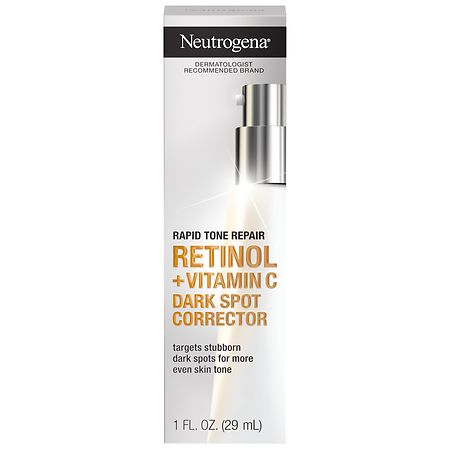
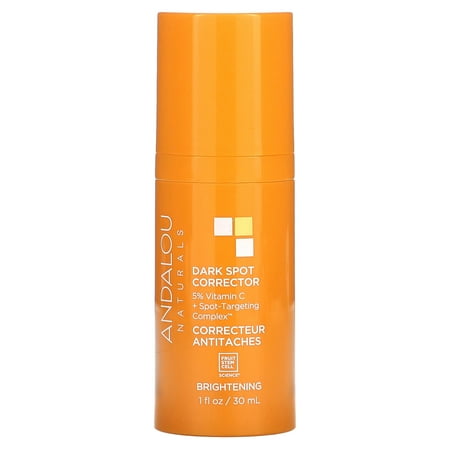
Differin Dark Spot Correcting Serum with 4% Niacinamide for Dark Spots & Post Acne Marks 1 fl oz
Analysis updated September 2026 · How Scout scores
At a glance
Summary
This serum contains beneficial ingredients like niacinamide and sea buckthorn oil, which are known for their skin-soothing and regenerative properties. However, the presence of alcohol as a top ingredient can be drying and irritating, and the inclusion of parfum raises concerns about potential skin sensitivity. The product also contains sodium metabisulfite, which may cause allergic reactions in some individuals, affecting its overall safety profile.
Key ingredients 23
Hippophae Rhamnoides OilVery Good
Hippophae Rhamnoides Oil, also known as sea buckthorn oil, is rich in vitamins and antioxidants. It helps nourish and protect the skin. It is highly regarded for its regenerative and anti-inflammatory properties.
Risks
Generally safe, but may cause mild irritation in very sensitive skin.
Benefits
Promotes skin healing and provides antioxidant protection.
Helianthus Annuus Seed OilVery Good
Helianthus Annuus Seed Oil, or sunflower seed oil, is a natural emollient that helps moisturize and soften the skin. It is rich in essential fatty acids and vitamins. It is well-tolerated and beneficial for most skin types.
Risks
Minimal risk of irritation or allergic reaction.
Benefits
Moisturizes and nourishes the skin, improving its barrier function.
NiacinamideGood
Niacinamide is a form of Vitamin B3 that is known for its skin-soothing properties. It helps improve skin texture, reduce inflammation, and even out skin tone. It is widely regarded as a beneficial ingredient in skincare.
Risks
Generally well-tolerated, but may cause mild irritation in very sensitive individuals.
Benefits
Improves skin barrier function, reduces redness, and minimizes pore appearance.
Sodium Ascorbyl PhosphateGood
Sodium Ascorbyl Phosphate is a stable form of Vitamin C used in skincare for its antioxidant properties. It helps brighten the skin and reduce signs of aging. It is less irritating than other forms of Vitamin C.
Risks
May cause mild irritation in sensitive individuals.
Benefits
Provides antioxidant protection and helps improve skin tone.
Rosmarinus Officinalis Leaf ExtractGood
Rosmarinus Officinalis Leaf Extract, or rosemary extract, is known for its antioxidant and antimicrobial properties. It helps protect the skin from environmental damage. It is commonly used in skincare for its soothing effects.
Risks
May cause mild irritation in sensitive individuals.
Benefits
Provides antioxidant protection and helps soothe the skin.
BiotinGood
Biotin, also known as Vitamin B7, is a nutrient that supports skin health. It helps improve the appearance of the skin by promoting cell regeneration. It is often included in skincare for its strengthening properties.
Risks
Generally safe with minimal risk of irritation.
Benefits
Supports healthy skin and promotes cell renewal.
WaterNeutral
Water is a common solvent used in cosmetic formulations. It helps dissolve other ingredients and provides a base for the product. It does not have any direct benefits or risks.
Risks
There are no significant risks associated with water in cosmetics.
Benefits
Water helps in the application and absorption of the product.
AlcoholNeutral
Standard formulation ingredient — neither beneficial nor harmful at typical use.
Risks
Potential to cause dryness and irritation, especially for sensitive skin types.
Benefits
Can enhance the penetration of active ingredients into the skin.
PEG-40 Hydrogenated Castor OilNeutral
PEG-40 Hydrogenated Castor Oil is an emulsifier and surfactant used to stabilize formulations. It helps mix oil and water-based ingredients. It is generally considered safe for use in cosmetics.
Risks
May cause irritation in some individuals with sensitive skin.
Benefits
Helps improve the texture and consistency of the product.
Polysorbate 20Neutral
Polysorbate 20 is a surfactant and emulsifier used to mix oil and water. It is commonly used in cosmetics to stabilize formulations. It is generally considered safe for topical use.
Risks
May cause mild irritation in sensitive skin types.
Benefits
Improves product texture and stability.
HydroxyethylcelluloseNeutral
Hydroxyethylcellulose is a thickening agent used to improve the texture of cosmetic products. It helps create a smooth and consistent application. It is considered safe for use in cosmetics.
Risks
Generally considered safe with minimal risk of irritation.
Benefits
Enhances the viscosity and application of the product.
1,2-HexanediolNeutral
1,2-Hexanediol is a humectant and preservative used to enhance the shelf life of cosmetic products. It helps retain moisture in the skin. It is generally considered safe for use in cosmetics.
Risks
Low risk of irritation or allergic reaction.
Benefits
Helps maintain skin hydration and product stability.
Caprylyl GlycolNeutral
Caprylyl Glycol is a skin-conditioning agent that also acts as a preservative. It helps improve the texture and feel of the product. It is generally considered safe for use in cosmetics.
Risks
Low risk of irritation or allergic reaction.
Benefits
Enhances skin hydration and product longevity.
Sodium SulfiteNeutral
Sodium Sulfite is a preservative used to prevent oxidation in cosmetic formulations. It helps maintain the stability and shelf life of the product. It is generally considered safe for use in cosmetics.
Risks
May cause mild irritation in sensitive individuals.
Benefits
Prevents oxidation and extends product shelf life.
Citric AcidNeutral
Citric Acid is used to adjust the pH of cosmetic products. It helps maintain the stability and effectiveness of the formulation. It is generally considered safe for use in cosmetics.
Risks
May cause mild irritation in sensitive skin types.
Benefits
Helps maintain product stability and pH balance.
T-Butyl AlcoholNeutral
T-Butyl Alcohol is used as a solvent and denaturant in cosmetic products. It helps dissolve other ingredients and improve product texture. It is generally considered safe for use in cosmetics.
Risks
May cause mild irritation in sensitive individuals.
Benefits
Improves product texture and solubility of ingredients.
Disodium PhosphateNeutral
Disodium Phosphate is used as a buffering agent in cosmetics to maintain pH balance. It helps stabilize formulations and improve product performance. It is generally considered safe for use in cosmetics.
Risks
Low risk of irritation or allergic reaction.
Benefits
Maintains pH balance and enhances product stability.
Denatonium BenzoateNeutral
Denatonium Benzoate is used as a bittering agent to prevent accidental ingestion of cosmetic products. It is one of the most bitter compounds known. It is generally considered safe for use in cosmetics.
Risks
Low risk of irritation or allergic reaction.
Benefits
Prevents accidental ingestion of the product.
Sodium MetabisulfiteBad
Sodium Metabisulfite is a preservative that can cause allergic reactions in some individuals. It is used to prevent oxidation and spoilage in cosmetic products. While effective, it may cause sensitivity in certain skin types.
Risks
Potential to cause allergic reactions or irritation.
Benefits
Helps preserve the product and prevent spoilage.
Disodium EDTABad
Processed additive flagged under Scout's ingredient doctrine.
Risks
Low risk of irritation or allergic reaction.
Benefits
Enhances product stability and prevents degradation.
Polysorbate 60Bad
Processed additive flagged under Scout's ingredient doctrine.
Risks
May cause mild irritation in sensitive skin types.
Benefits
Improves product texture and stability.
ParfumBad
Parfum, or fragrance, is used to add scent to cosmetic products. It can cause allergic reactions and skin irritation in sensitive individuals. The exact composition is often undisclosed, leading to potential concerns.
Risks
High potential for allergic reactions and skin irritation.
Benefits
Enhances the sensory experience of the product.
Sodium PhosphateBad
Processed additive flagged under Scout's ingredient doctrine.
Risks
Low risk of irritation or allergic reaction.
Benefits
Maintains pH balance and enhances product stability.
Get the full breakdown in the Scout appTake Scout shopping
Scan any product to see lab results, healthy alternatives, and your personalized analysis.
Download on theApp Store GET IT ONGoogle PlayAmazon pricing & content
Amazon price as of . Product prices and availability are accurate as of the date/time indicated and are subject to change. Any price and availability information displayed on Amazon.com at the time of purchase will apply to the purchase of this product.
CERTAIN CONTENT THAT APPEARS ON THIS SITE COMES FROM AMAZON. THIS CONTENT IS PROVIDED “AS IS” AND IS SUBJECT TO CHANGE OR REMOVAL AT ANY TIME.