
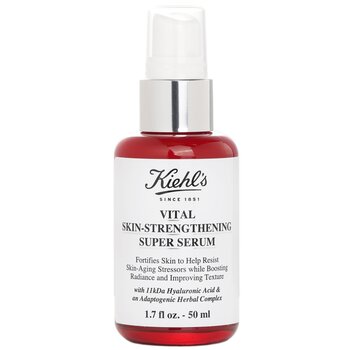


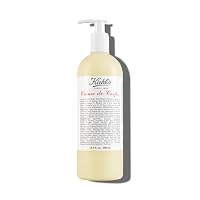
Kiehl's Since 1851 Vital Skin-Strengthening Hyaluronic Acid Super Serum, 1.7-oz.
Analysis updated September 2026 · How Scout scores
At a glance
Summary
This serum contains beneficial ingredients like glycerin, tocopherol, and sodium acetylated hyaluronate, which provide hydration and antioxidant benefits. However, the presence of denatured alcohol as a top ingredient can be drying and irritating, and several fragrance components like limonene and linalool may cause skin irritation. The combination of beneficial actives with potentially irritating ingredients results in a mixed safety profile.
Key ingredients 36
TocopherolVery Good
Tocopherol, or Vitamin E, is an antioxidant that helps protect the skin from free radical damage. It also has moisturizing properties. It is beneficial for maintaining healthy skin.
Risks
Generally safe with minimal risk of irritation.
Benefits
Protects skin from oxidative stress and provides moisture.
Sodium acetylated hyaluronateVery Good
A form of hyaluronic acid, it is used for its superior hydrating properties. It helps retain moisture in the skin and improve elasticity. It is beneficial for all skin types, especially dry and dehydrated skin.
Risks
Generally safe with minimal risk of irritation.
Benefits
Provides deep hydration and improves skin elasticity.
GlycerinGood
Glycerin is a humectant that attracts moisture to the skin. It is widely used in skincare for its hydrating properties. It helps improve skin barrier function and smoothness.
Risks
Generally considered safe with minimal risk.
Benefits
Excellent for skin hydration and improving skin barrier function.
Hamamelis virginiana waterGood
Also known as witch hazel water, it is used for its soothing and anti-inflammatory properties. It can help reduce skin irritation and redness. It is beneficial for oily and acne-prone skin.
Risks
May cause irritation in very sensitive skin types.
Benefits
Soothes skin and reduces inflammation and redness.
Schisandra chinensis fruit extractGood
This extract is known for its antioxidant and anti-inflammatory properties. It helps protect the skin from environmental stressors. It is beneficial for soothing and revitalizing the skin.
Risks
Generally considered safe with minimal risk.
Benefits
Provides antioxidant protection and soothes the skin.
Capryloyl salicylic acidGood
A derivative of salicylic acid, it is used for its exfoliating properties. It helps unclog pores and improve skin texture. It is beneficial for acne-prone skin.
Risks
May cause irritation or dryness in sensitive skin.
Benefits
Exfoliates the skin and helps clear pores.
Panax ginseng root extractGood
Ginseng extract is known for its antioxidant and anti-aging properties. It helps improve skin elasticity and reduce the appearance of wrinkles. It is beneficial for revitalizing and rejuvenating the skin.
Risks
Generally considered safe with minimal risk.
Benefits
Enhances skin vitality and reduces signs of aging.
Ocimum sanctum leaf extractGood
Also known as holy basil, this extract has antioxidant and anti-inflammatory properties. It helps protect the skin from environmental stressors. It is beneficial for soothing and revitalizing the skin.
Risks
Generally considered safe with minimal risk.
Benefits
Provides antioxidant protection and soothes the skin.
AdenosineGood
Adenosine is known for its anti-aging and skin-soothing properties. It helps improve the appearance of fine lines and wrinkles. It is beneficial for promoting smoother and more youthful-looking skin.
Risks
Generally considered safe with minimal risk.
Benefits
Reduces the appearance of wrinkles and soothes the skin.
WaterNeutral
Water is a common solvent used in cosmetic formulations. It helps dissolve other ingredients and provides a base for the serum. It does not have any direct benefits or risks.
Benefits
Acts as a solvent and carrier for other ingredients.
PropanediolNeutral
Propanediol is a glycol used as a solvent and skin-conditioning agent. It enhances the absorption of other ingredients. It is generally considered safe and non-irritating.
Risks
Low risk of irritation or allergic reaction.
Benefits
Improves skin texture and enhances ingredient absorption.
Ammonium polyacryloyldimethyl taurateNeutral
This ingredient is used as a thickening agent in cosmetics. It helps stabilize emulsions and improve product texture. It is generally considered safe for use in skincare.
Risks
Low risk of irritation or allergic reaction.
Benefits
Improves product texture and stability.
Caprylyl glycolNeutral
Caprylyl glycol is used as a skin-conditioning agent and preservative. It helps improve the texture and feel of the product. It is generally considered safe for use in cosmetics.
Risks
Low risk of irritation or allergic reaction.
Benefits
Enhances product texture and provides mild antimicrobial effects.
Xanthan gumNeutral
Xanthan gum is a natural thickening agent used to stabilize emulsions. It helps improve the texture and consistency of the product. It is generally considered safe and non-irritating.
Risks
Low risk of irritation or allergic reaction.
Benefits
Stabilizes and thickens cosmetic formulations.
Peg-60 hydrogenated castor oilNeutral
This ingredient is used as an emulsifier and surfactant. It helps blend oil and water-based ingredients. It is generally considered safe for use in cosmetics.
Risks
Potential for mild irritation in sensitive individuals.
Benefits
Improves product consistency and emulsification.
Peg-20 methyl glucose sesquistearateNeutral
This ingredient is used as an emulsifier and surfactant. It helps blend oil and water-based ingredients in formulations. It is generally considered safe for use in cosmetics.
Risks
Low risk of irritation or allergic reaction.
Benefits
Improves product consistency and emulsification.
Citrus aurantium dulcis peel oilNeutral
Orange peel oil is used for its fragrance and potential antioxidant properties. It can enhance the sensory experience of the product. However, it may cause irritation in sensitive skin.
Risks
Potential for skin irritation, especially in sensitive individuals.
Benefits
Provides a pleasant fragrance and potential antioxidant benefits.
Sodium hydroxideNeutral
Sodium hydroxide is used to adjust the pH of cosmetic formulations. It is used in very small amounts to ensure product stability. It is generally considered safe when used appropriately.
Risks
Can be irritating in high concentrations, but used in safe amounts in cosmetics.
Benefits
Helps maintain the stability and effectiveness of the product.
MethyldihydrojasmonateNeutral
This ingredient is used as a fragrance component in cosmetics. It provides a floral scent to enhance the sensory experience. It is generally considered safe for use in cosmetics.
Risks
Low risk of irritation or allergic reaction.
Benefits
Enhances the fragrance profile of the product.
Citric acidNeutral
Citric acid is used to adjust the pH of cosmetic formulations. It also has mild exfoliating properties. It is generally considered safe for use in cosmetics.
Risks
Potential for mild irritation in sensitive skin.
Benefits
Helps maintain product stability and provides mild exfoliation.
Pelargonium graveolens flower oilNeutral
Geranium flower oil is used for its fragrance and potential skin benefits. It may have balancing and soothing properties for the skin. However, it can cause irritation in sensitive individuals.
Risks
Potential for skin irritation, especially in sensitive individuals.
Benefits
Provides a floral fragrance and potential skin-soothing benefits.
Lavandula angustifolia oilNeutral
Lavender oil is used for its fragrance and potential calming properties. It may help soothe the skin and provide a relaxing scent. However, it can cause irritation in sensitive individuals.
Risks
Potential for skin irritation, especially in sensitive individuals.
Benefits
Provides a calming fragrance and potential skin-soothing benefits.
Cymbopogon schoenanthus oilNeutral
Lemongrass oil is used for its fragrance and potential antimicrobial properties. It provides a fresh, citrus scent to cosmetic products. However, it can cause irritation in sensitive individuals.
Risks
Potential for skin irritation, especially in sensitive individuals.
Benefits
Provides a fresh fragrance and potential antimicrobial benefits.
Rosmarinus officinalis leaf oilNeutral
Rosemary oil is used for its fragrance and potential antioxidant properties. It may help invigorate the skin and provide a fresh scent. However, it can cause irritation in sensitive individuals.
Risks
Potential for skin irritation, especially in sensitive individuals.
Benefits
Provides a fresh fragrance and potential antioxidant benefits.
DimethiconeBad
Occlusive silicone film-former — flagged under clean-beauty doctrine.
Risks
Potential for skin buildup and may cause breakouts in sensitive individuals.
Benefits
Provides a smooth application and helps retain skin moisture.
PhenoxyethanolBad
Phenoxyethanol is a preservative used to prevent microbial growth. It can cause irritation and allergic reactions in some individuals. It is considered a safer alternative to parabens.
Risks
Potential for skin irritation and allergic reactions.
Benefits
Effective preservative that extends product shelf life.
Disodium edtaBad
Processed additive flagged under Scout's ingredient doctrine.
Risks
Low risk of irritation or allergic reaction.
Benefits
Enhances product stability and shelf life.
LimoneneBad
Limonene is a fragrance component that can cause skin irritation. It is used for its citrus scent in cosmetics. It may oxidize and become more irritating over time.
Risks
Potential for skin irritation and allergic reactions.
Benefits
Provides a citrus fragrance to cosmetic products.
EugenolBad
Eugenol is a fragrance component that can cause skin irritation. It is used for its spicy, clove-like scent in cosmetics. It may cause allergic reactions in sensitive individuals.
Risks
Potential for skin irritation and allergic reactions.
Benefits
Provides a spicy fragrance to cosmetic products.
Sodium benzoateBad
Synthetic preservative that can form benzene in the presence of vitamin C.
Risks
Low risk of irritation or allergic reaction.
Benefits
Extends product shelf life by preventing microbial growth.
CitralBad
Citral is a fragrance component that can cause skin irritation. It is used for its lemon scent in cosmetics. It may cause allergic reactions in sensitive individuals.
Risks
Potential for skin irritation and allergic reactions.
Benefits
Provides a lemon fragrance to cosmetic products.
Potassium sorbateBad
Synthetic preservative — flagged in daily-use products.
Risks
Low risk of irritation or allergic reaction.
Benefits
Extends product shelf life by preventing microbial growth.
CitronellolBad
Citronellol is a fragrance component that can cause skin irritation. It is used for its floral scent in cosmetics. It may cause allergic reactions in sensitive individuals.
Risks
Potential for skin irritation and allergic reactions.
Benefits
Provides a floral fragrance to cosmetic products.
LinaloolBad
Linalool is a fragrance component that can cause skin irritation. It is used for its floral scent in cosmetics. It may cause allergic reactions in sensitive individuals.
Risks
Potential for skin irritation and allergic reactions.
Benefits
Provides a floral fragrance to cosmetic products.
GeraniolBad
Geraniol is a fragrance component that can cause skin irritation. It is used for its rose-like scent in cosmetics. It may cause allergic reactions in sensitive individuals.
Risks
Potential for skin irritation and allergic reactions.
Benefits
Provides a rose-like fragrance to cosmetic products.
Alcohol denat.Very Bad
Denatured alcohol is used as a solvent and astringent. It can be drying and irritating to the skin, especially in high concentrations. It may disrupt the skin's natural barrier.
Risks
Can cause dryness and irritation, especially for sensitive skin.
Benefits
Helps other ingredients penetrate the skin more effectively.
Get the full breakdown in the Scout appTake Scout shopping
Scan any product to see lab results, healthy alternatives, and your personalized analysis.
Download on theApp Store GET IT ONGoogle PlayAmazon pricing & content
Amazon price as of . Product prices and availability are accurate as of the date/time indicated and are subject to change. Any price and availability information displayed on Amazon.com at the time of purchase will apply to the purchase of this product.
CERTAIN CONTENT THAT APPEARS ON THIS SITE COMES FROM AMAZON. THIS CONTENT IS PROVIDED “AS IS” AND IS SUBJECT TO CHANGE OR REMOVAL AT ANY TIME.