
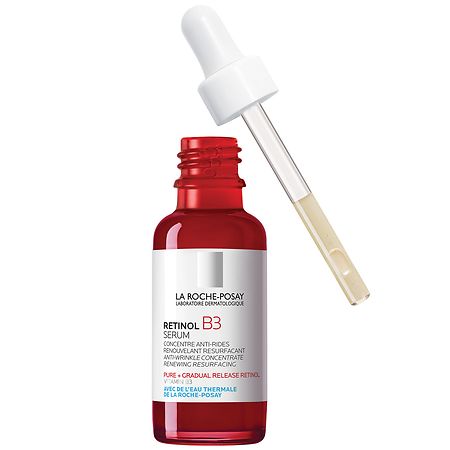
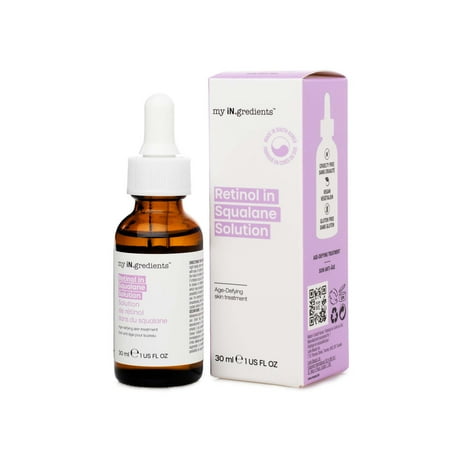

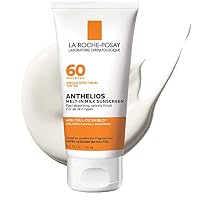

La Roche Posay Retinol Face Serum with Vitamin B3 - 1.0 fl oz: Hypoallergenic, For Sensitive and Mature Skin
La Roche-PosayAnalysis updated August 2026 · How Scout scores
At a glance
Summary
This serum contains beneficial ingredients like niacinamide, retinol, and sodium hyaluronate, which are known for their skin-enhancing properties. However, the presence of denatured alcohol as a top ingredient can be drying and irritating, and the inclusion of fragrance poses a risk for skin irritation. The product's formulation is a mix of beneficial and potentially harmful components, leading to a moderate processing level.
Key ingredients 22
RetinolVery Good
Retinol is a potent form of Vitamin A that promotes cell turnover and collagen production. It is effective in reducing signs of aging and improving skin texture.
Risks
Can cause irritation, redness, and peeling, especially in sensitive skin.
Benefits
Reduces wrinkles, improves skin texture, and promotes collagen production.
GlycerinGood
Glycerin is a humectant that attracts moisture to the skin, helping to keep it hydrated. It is well-tolerated by most skin types and enhances the skin's natural barrier function.
Risks
Rarely, it may cause irritation in very sensitive skin.
Benefits
Improves skin hydration and barrier function.
NiacinamideGood
Niacinamide is a form of Vitamin B3 that improves skin elasticity, enhances the barrier function, and evens skin tone. It is well-tolerated by most skin types.
Risks
Rarely, it may cause mild irritation or redness.
Benefits
Improves skin texture, tone, and barrier function.
Glycine Soja Oil / Soybean OilGood
Soybean oil is a natural emollient rich in fatty acids and antioxidants. It helps to moisturize and protect the skin.
Risks
Potential allergen for those with soy allergies.
Benefits
Moisturizes and provides antioxidant protection.
Sodium HyaluronateGood
Sodium hyaluronate is a form of hyaluronic acid that deeply hydrates the skin by attracting and holding onto water. It is suitable for all skin types and enhances skin plumpness.
Risks
Very low risk of irritation or allergic reaction.
Benefits
Provides intense hydration and improves skin elasticity.
AdenosineGood
Adenosine is a soothing and anti-aging ingredient that helps to smooth the skin and reduce the appearance of wrinkles. It is well-tolerated by most skin types.
Risks
Minimal risk of irritation or allergic reaction.
Benefits
Smooths skin and reduces the appearance of fine lines.
Retinyl PalmitateGood
Retinyl palmitate is a milder form of Vitamin A that promotes skin renewal and collagen production. It is less irritating than retinol but still effective in improving skin texture.
Risks
May cause mild irritation or sensitivity in some individuals.
Benefits
Promotes skin renewal and improves texture.
TocopherolGood
Tocopherol, or Vitamin E, is an antioxidant that helps to protect the skin from free radical damage. It also has moisturizing and anti-inflammatory properties.
Risks
Low risk of irritation or allergic reaction.
Benefits
Protects skin from oxidative stress and provides moisture.
Aqua/WaterNeutral
Water is a common solvent used in cosmetic formulations. It helps dissolve other ingredients and provides a base for the serum. It does not have any direct benefits or risks.
Benefits
Provides a medium for other ingredients to be delivered to the skin.
CyclohexasiloxaneNeutral
Cyclohexasiloxane is a silicone used to improve the texture and spreadability of products. It evaporates quickly, leaving a silky feel on the skin.
Risks
Concerns about bioaccumulation in the environment exist.
Benefits
Enhances product texture and application.
Pentylene GlycolNeutral
Standard formulation ingredient — neither beneficial nor harmful at typical use.
Risks
Generally considered safe with low risk of irritation.
Benefits
Enhances skin hydration and texture.
PPG-6-Decyltetradeceth-30Neutral
This is a synthetic surfactant and emulsifier used to stabilize formulations. It helps to mix oil and water components.
Risks
Generally considered safe with low risk of irritation.
Benefits
Stabilizes product formulation and enhances texture.
Ammonium Polyacryloyldimethyl TaurateNeutral
This is a synthetic polymer used as a thickening agent in cosmetics. It helps to stabilize emulsions and improve product texture.
Risks
Generally considered safe with low risk of irritation.
Benefits
Improves product texture and stability.
Caprylyl GlycolNeutral
Standard formulation ingredient — neither beneficial nor harmful at typical use.
Risks
Low risk of irritation or allergic reaction.
Benefits
Moisturizes skin and extends product shelf life.
Citric AcidNeutral
Citric acid is used to adjust the pH of cosmetic products. It can also provide mild exfoliation and antioxidant benefits.
Risks
May cause irritation in sensitive skin if used in high concentrations.
Benefits
Balances product pH and provides mild exfoliation.
Trisodium Ethylenediamine DisuccinateNeutral
This is a chelating agent that helps to stabilize cosmetic formulations by binding metal ions. It enhances the effectiveness of preservatives.
Risks
Generally considered safe with low risk of irritation.
Benefits
Stabilizes formulations and enhances preservative efficacy.
Xanthan GumNeutral
Xanthan gum is a natural thickening agent used to stabilize and thicken cosmetic products. It helps to improve the texture and consistency of formulations.
Risks
Low risk of irritation or allergic reaction.
Benefits
Improves product texture and stability.
Polysilicone-11Neutral
Polysilicone-11 is a silicone elastomer used to improve the texture and feel of cosmetic products. It provides a smooth, silky finish on the skin.
Risks
May cause breakouts in acne-prone skin due to occlusive properties.
Benefits
Enhances product texture and provides a silky finish.
DimethiconeBad
Occlusive silicone film-former — flagged under clean-beauty doctrine.
Risks
May cause breakouts in acne-prone skin due to occlusive properties.
Benefits
Provides a smooth application and reduces transepidermal water loss.
PhenoxyethanolBad
Processed additive flagged under Scout's ingredient doctrine.
Risks
Potential for irritation, especially in sensitive skin.
Benefits
Prevents microbial growth and extends product shelf life.
Alcohol Denat.Very Bad
Denatured alcohol is used as a solvent and astringent in cosmetics. It can be drying and irritating to the skin, especially in high concentrations.
Risks
May cause dryness and irritation, particularly in sensitive skin.
Benefits
Helps other ingredients penetrate the skin more effectively.
Parfum/FragranceVery Bad
Fragrance is used to impart scent to cosmetic products but can be a common cause of skin irritation and allergic reactions. It is often a mixture of various chemicals, some of which may be sensitizing.
Risks
High risk of irritation and allergic reactions, especially in sensitive skin.
Benefits
Provides a pleasant scent to the product.
Get the full breakdown in the Scout appTake Scout shopping
Scan any product to see lab results, healthy alternatives, and your personalized analysis.
Download on theApp Store GET IT ONGoogle PlayAmazon pricing & content
Amazon price as of . Product prices and availability are accurate as of the date/time indicated and are subject to change. Any price and availability information displayed on Amazon.com at the time of purchase will apply to the purchase of this product.
CERTAIN CONTENT THAT APPEARS ON THIS SITE COMES FROM AMAZON. THIS CONTENT IS PROVIDED “AS IS” AND IS SUBJECT TO CHANGE OR REMOVAL AT ANY TIME.