
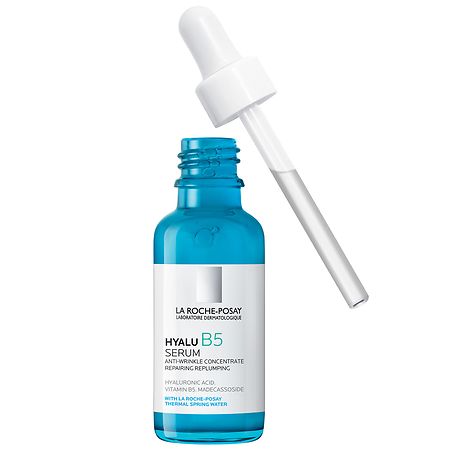
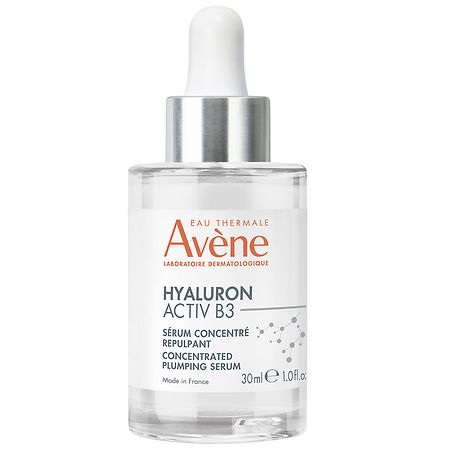
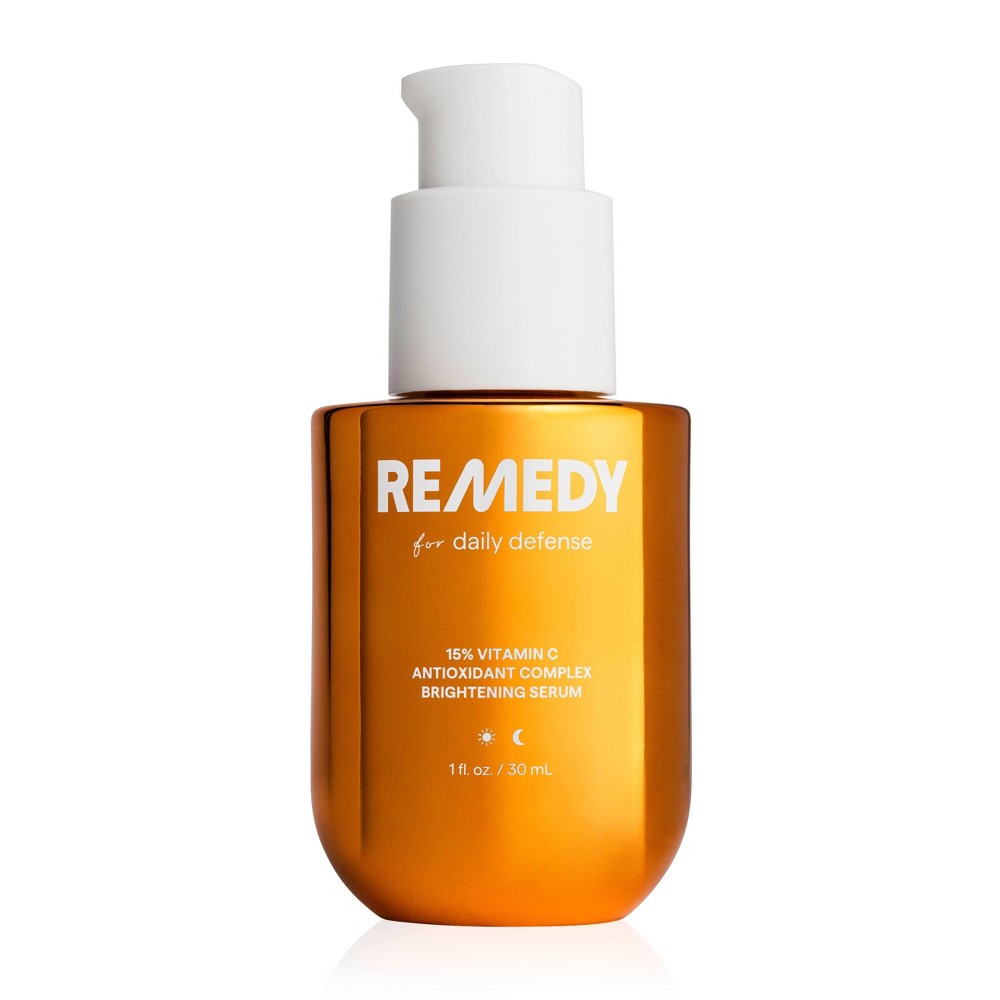
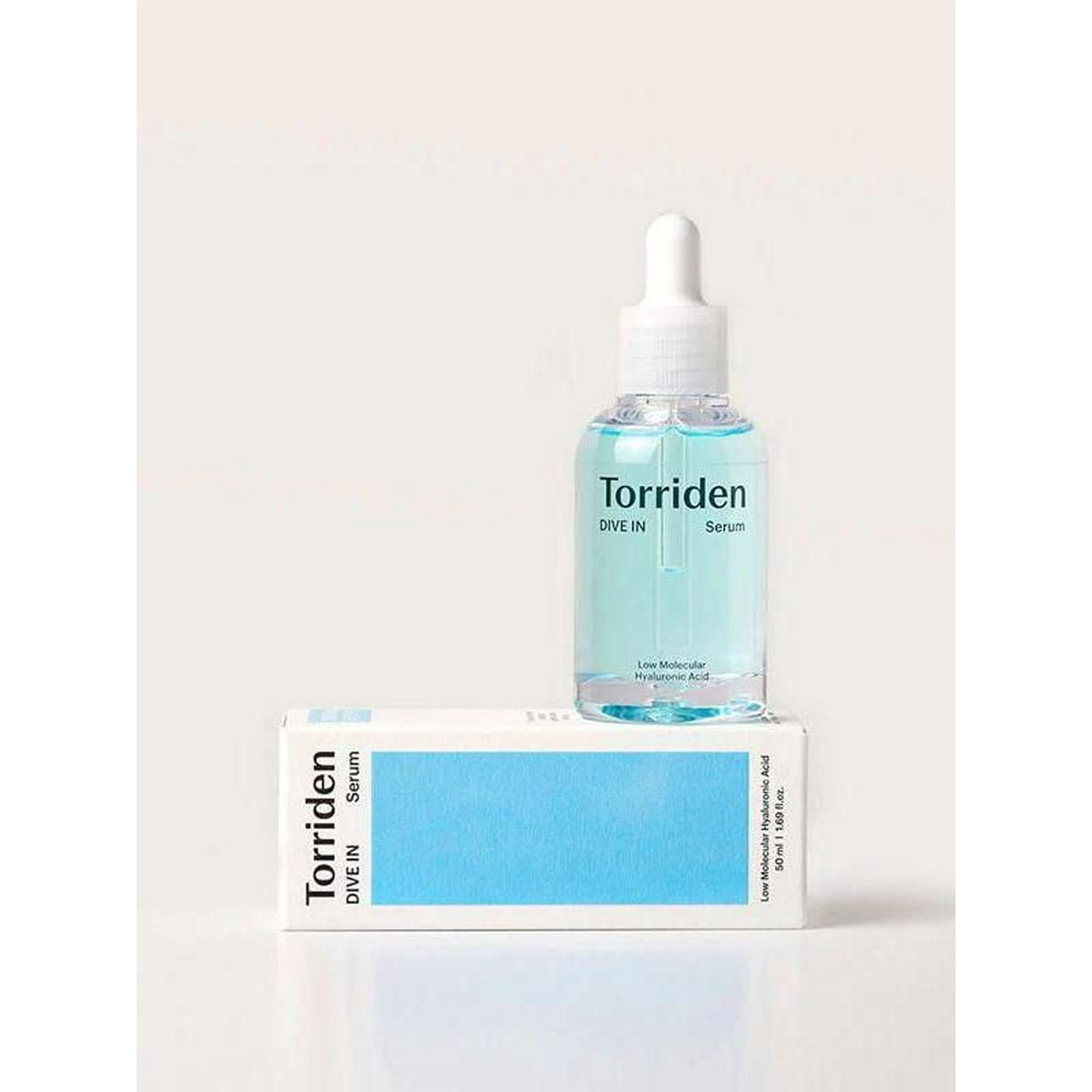
La Roche Posay Hyaluronic Acid Serum, Hyalu B5 Face Serum - Travel Size - 1.01 fl oz
Analysis updated August 2026 · How Scout scores
At a glance
Summary
This serum contains beneficial ingredients like glycerin, panthenol, and sodium hyaluronate, which provide hydration and improve skin elasticity. However, the presence of denatured alcohol as a top ingredient can be drying and irritating, potentially disrupting the skin barrier. Additionally, the inclusion of fragrance poses a risk for irritation and allergic reactions, especially for sensitive skin.
Key ingredients 20
PanthenolVery Good
Panthenol is a form of Vitamin B5 that acts as a moisturizer and skin conditioner. It helps to improve skin hydration and elasticity. It is soothing and beneficial for irritated skin.
Risks
Panthenol is generally safe with minimal risk of irritation.
Benefits
It enhances skin hydration and soothes irritation.
Hydrolyzed Hyaluronic AcidVery Good
Hydrolyzed hyaluronic acid is a smaller molecule form of hyaluronic acid, allowing for deeper skin penetration. It provides intense hydration and helps to improve skin elasticity. It is beneficial for all skin types.
Risks
There are minimal risks associated with hydrolyzed hyaluronic acid.
Benefits
It offers deep hydration and enhances skin elasticity.
GlycerinGood
Glycerin is a humectant that attracts moisture to the skin, improving hydration. It is well-tolerated and helps maintain the skin's moisture barrier. It is beneficial for all skin types.
Risks
There are minimal risks associated with glycerin; it is generally safe for use.
Benefits
Glycerin helps to keep the skin hydrated and soft.
Sodium HyaluronateGood
Sodium hyaluronate is a salt form of hyaluronic acid, known for its excellent moisture-retaining properties. It helps to hydrate and plump the skin, reducing the appearance of fine lines. It is suitable for all skin types.
Risks
There are minimal risks associated with sodium hyaluronate.
Benefits
It provides deep hydration and improves skin texture.
TocopherolGood
Tocopherol, or Vitamin E, is an antioxidant that helps to protect the skin from free radical damage. It also has moisturizing properties. It is beneficial for maintaining healthy skin.
Risks
There is a low risk of irritation or allergic reaction.
Benefits
It provides antioxidant protection and moisturizes the skin.
Aqua (Water)Neutral
Water is a common solvent used in cosmetic formulations. It acts as a base for the serum, helping to dissolve other ingredients. It does not provide direct benefits or risks.
Risks
There are no significant risks associated with water in cosmetic products.
Benefits
Water helps in the application and absorption of the serum.
Pentylene GlycolNeutral
Pentylene glycol is used as a solvent and skin-conditioning agent. It helps to improve the texture and spreadability of the product. It is generally well-tolerated by the skin.
Risks
There are minimal risks associated with pentylene glycol.
Benefits
It aids in product formulation and skin conditioning.
Peg-6 Caprylic/Capric GlyceridesNeutral
This ingredient is an emulsifier and skin-conditioning agent. It helps to stabilize formulations and improve texture. It is generally considered safe for use in cosmetics.
Risks
There is a low risk of irritation or allergic reaction.
Benefits
It enhances product stability and skin feel.
Ppg-6 Decyltetradeceth-30Neutral
This ingredient functions as an emulsifier and surfactant. It helps to blend oil and water components in formulations. It is generally safe for use in cosmetics.
Risks
There is a low risk of skin irritation.
Benefits
It aids in product formulation and stability.
Ammonium Polyacryloyldimethyl TaurateNeutral
This ingredient is used as a thickening agent and stabilizer in formulations. It helps to improve the texture and consistency of the product. It is generally considered safe for use in cosmetics.
Risks
There is a low risk of irritation.
Benefits
It enhances product texture and stability.
Caprylyl GlycolNeutral
Caprylyl glycol is a skin-conditioning agent and preservative. It helps to improve the texture and moisture content of the skin. It is generally well-tolerated and safe for use.
Risks
There is a low risk of irritation.
Benefits
It enhances skin hydration and product preservation.
Citric AcidNeutral
Citric acid is used to adjust the pH of cosmetic formulations. It can also act as an antioxidant. It is generally safe in low concentrations.
Risks
High concentrations can cause irritation.
Benefits
It helps to maintain product stability and pH balance.
Xanthan GumNeutral
Xanthan gum is a thickening agent used to stabilize formulations. It helps to improve the texture and consistency of the product. It is generally considered safe for use in cosmetics.
Risks
There is a low risk of irritation.
Benefits
It enhances product texture and stability.
Butylene GlycolNeutral
Butylene glycol is a solvent and humectant that helps to retain moisture in the skin. It improves the texture and spreadability of the product. It is generally well-tolerated and safe for use.
Risks
There is a low risk of irritation.
Benefits
It enhances skin hydration and product texture.
Propylene GlycolBad
Processed additive flagged under Scout's ingredient doctrine.
Risks
In rare cases, it can cause irritation or allergic reactions.
Benefits
Propylene glycol helps to maintain skin hydration.
DimethiconeBad
Occlusive silicone film-former — flagged under clean-beauty doctrine.
Risks
Some may experience a sensation of heaviness or clogged pores.
Benefits
Dimethicone provides a silky texture and helps retain moisture.
Disodium EdtaBad
Processed additive flagged under Scout's ingredient doctrine.
Risks
There is a low risk of irritation or allergic reaction.
Benefits
It enhances product stability and efficacy.
PhenoxyethanolBad
Processed additive flagged under Scout's ingredient doctrine.
Risks
High concentrations can cause irritation.
Benefits
It helps to preserve the product and prevent contamination.
Alcohol DenatVery Bad
Denatured alcohol is used as a solvent and can help other ingredients penetrate the skin. However, it can be drying and irritating, especially for sensitive skin. It may disrupt the skin's natural barrier.
Risks
Alcohol Denat can cause dryness and irritation with prolonged use.
Benefits
It can enhance the penetration of active ingredients.
Parfum (Fragrance)Very Bad
Fragrance is added to cosmetics for scent but can cause irritation and allergic reactions. It is a common sensitizer, especially for sensitive skin. It is often criticized for its potential to cause skin issues.
Risks
Fragrance can cause irritation and allergic reactions.
Benefits
It provides a pleasant scent to the product.
Get the full breakdown in the Scout appTake Scout shopping
Scan any product to see lab results, healthy alternatives, and your personalized analysis.
Download on theApp Store GET IT ONGoogle PlayAmazon pricing & content
Amazon price as of . Product prices and availability are accurate as of the date/time indicated and are subject to change. Any price and availability information displayed on Amazon.com at the time of purchase will apply to the purchase of this product.
CERTAIN CONTENT THAT APPEARS ON THIS SITE COMES FROM AMAZON. THIS CONTENT IS PROVIDED “AS IS” AND IS SUBJECT TO CHANGE OR REMOVAL AT ANY TIME.