

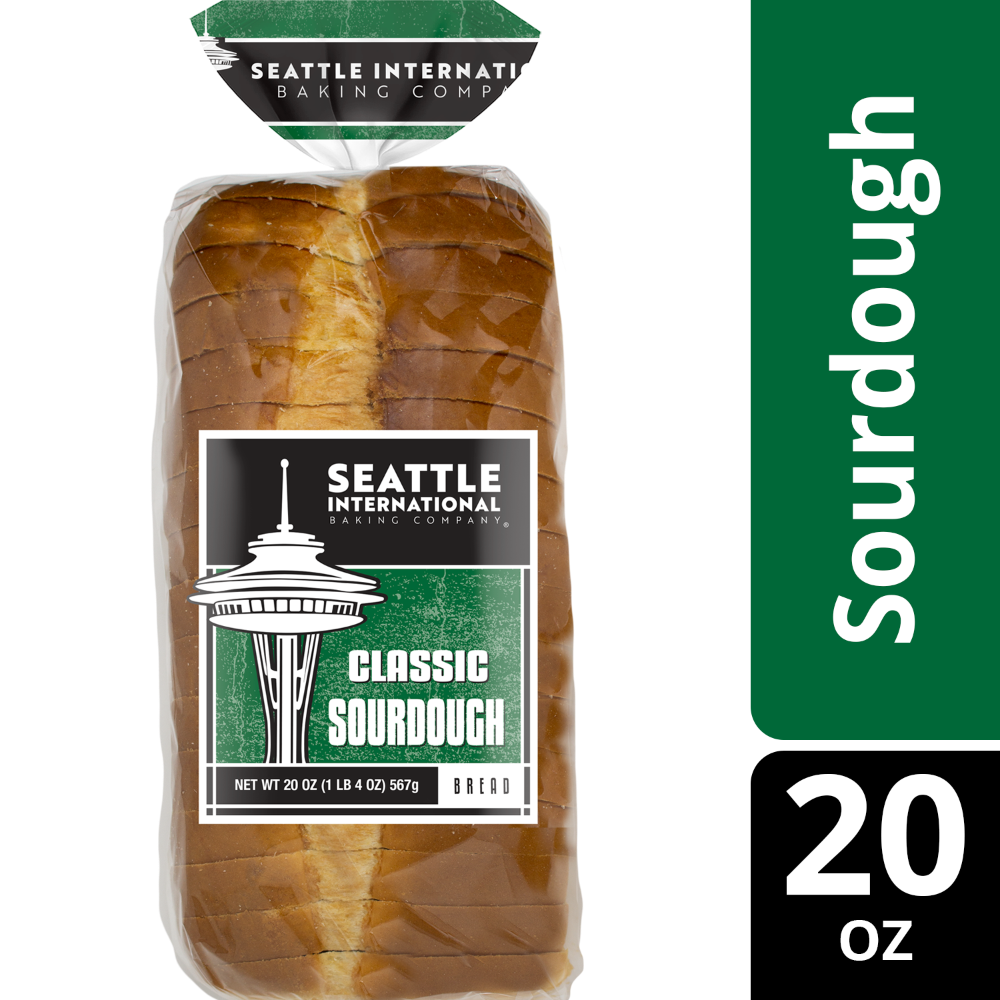


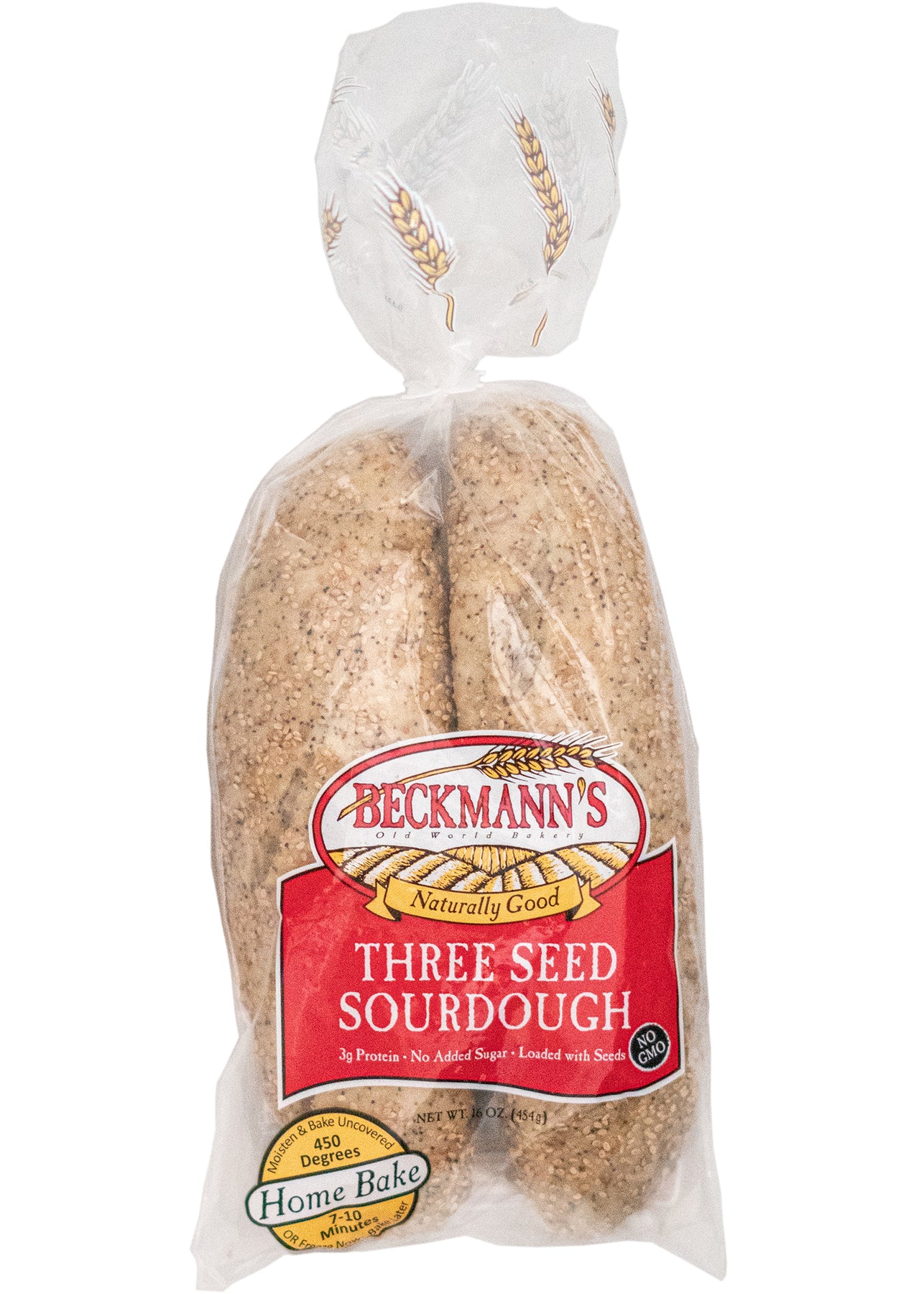
Hot dog buns
Summary
The hot dog buns contain beneficial ingredients like brown rice flour and chickpea flour, which are minimally processed and provide fiber and protein. However, the presence of sunflower oil, a seed oil high in omega-6 fatty acids, is a concern due to its inflammatory potential. The product is moderately processed, which limits its score despite the inclusion of some nutritious ingredients.
At a glance
Key ingredients 11
WaterNeutral
Water is a fundamental ingredient used to hydrate and bind other ingredients. It is essential for the dough formation in bread products. No processing concerns are associated with water in this context.
See more about Water →Potato starchNeutral
Potato starch is used as a thickening agent and to improve texture. It is a refined carbohydrate with minimal nutritional value. It is gluten-free, making it suitable for those with gluten sensitivities.
Risks
Excessive consumption of refined starches may contribute to blood sugar spikes.
Benefits
Provides a gluten-free alternative for texture enhancement in baked goods.
Tapioca starchNeutral
Tapioca starch is used to improve texture and moisture retention in baked goods. It is a refined carbohydrate with limited nutritional benefits. It is also gluten-free, catering to those with gluten intolerance.
Risks
May contribute to blood sugar spikes if consumed in large quantities.
Benefits
Offers a gluten-free option for improving texture in food products.
Soya flourNeutral
Soya flour is used to enhance protein content and improve texture. It is a plant-based protein source but may not provide as complete an amino acid profile as animal proteins. It is often used in gluten-free baking.
Risks
May cause allergic reactions in individuals sensitive to soy.
Benefits
Increases protein content and provides a plant-based protein source.
Brown rice flourGood
Brown rice flour is a whole grain flour that retains the bran and germ, providing fiber and nutrients. It is less processed than white rice flour, offering more health benefits. It is gluten-free, making it suitable for those with gluten intolerance.
Benefits
Rich in fiber and nutrients, supporting digestive health and providing a gluten-free option.
Chickpea flourGood
Chickpea flour is high in protein and fiber, making it a nutritious addition to baked goods. It is made from ground chickpeas and is minimally processed. It is gluten-free and provides a good source of plant-based protein.
Benefits
High in protein and fiber, supporting satiety and digestive health.
Sunflower oilVery Bad
Sunflower oil is a seed oil high in omega-6 fatty acids, which can promote inflammation if consumed in excess. It is often extracted using high-heat and chemical processes, which may degrade its nutritional quality. It is not recommended for frequent consumption due to its inflammatory potential.
Risks
High omega-6 content may promote inflammation when consumed in excess.
YeastGood
Yeast is a natural leavening agent that helps dough rise by fermenting sugars. It is a source of B vitamins and contributes to the development of flavor in bread. It is a traditional ingredient in bread-making with minimal processing.
Benefits
Contributes to dough rising and flavor development, and provides B vitamins.
Rice syrupNeutral
Rice syrup is a sweetener derived from rice, used to add sweetness to products. It is less processed than high fructose corn syrup but still a refined sugar. It provides a mild sweetness without the intensity of refined sugars.
Risks
May contribute to increased blood sugar levels if consumed in large amounts.
Benefits
Provides a mild sweetness with less processing than some other sweeteners.
Grape juiceNeutral
Grape juice is used as a natural sweetener and flavor enhancer. It contains natural sugars and some antioxidants. It is less processed than refined sugars but still contributes to overall sugar content.
Risks
May contribute to increased blood sugar levels if consumed in large amounts.
Benefits
Contains natural sugars and some antioxidants, providing a natural sweetness.
Potato fiberGood
Potato fiber is used to enhance fiber content and improve texture in baked goods. It is derived from potatoes and is minimally processed. It supports digestive health by adding bulk to the diet.
Benefits
Enhances fiber content, supporting digestive health and improving texture.
Processing
Processed Foods
Get the full breakdown in the Scout app
Scan any product to see lab results, healthy alternatives, and your personalized analysis.
Download on theApp Store