
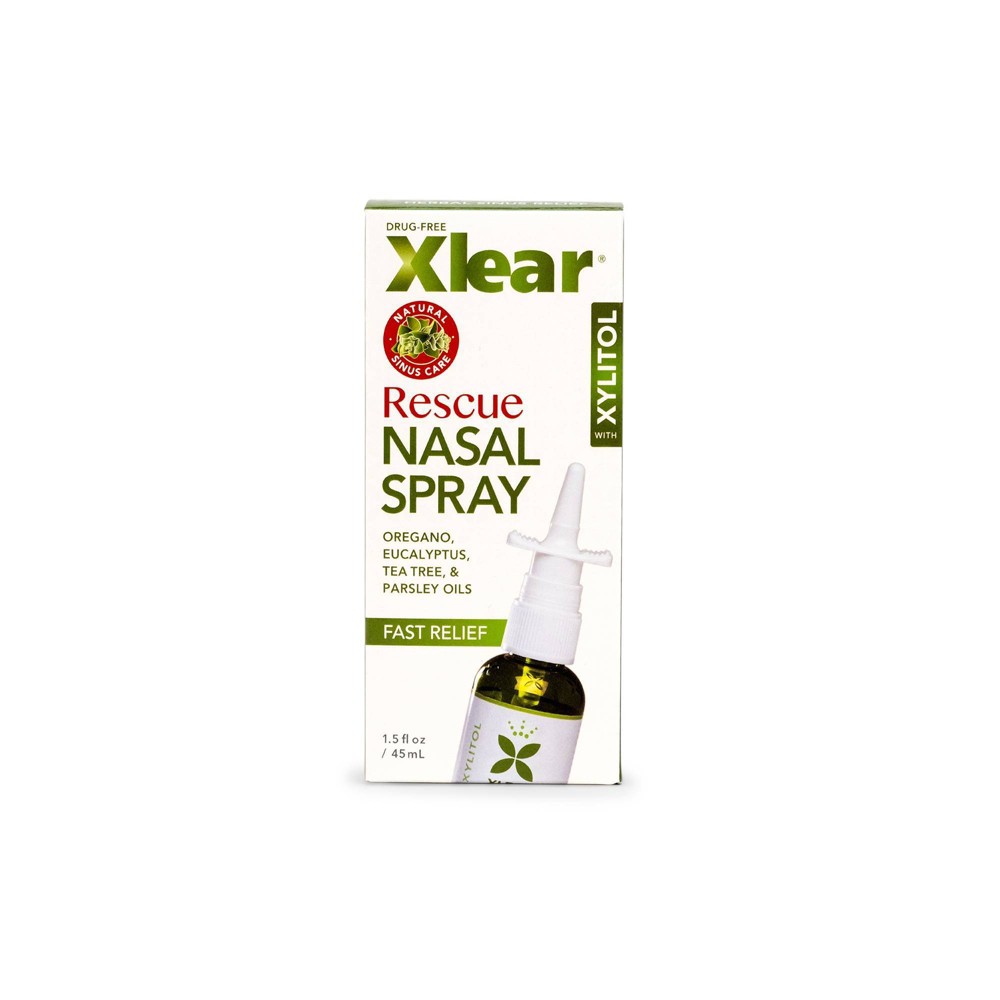
Xlear Rescue Nasal Spray - 1.5 fl oz: Cold, Cough & Flu Treatment with Xylitol Formula
Analysis updated September 2026 · How Scout scores
At a glance
Summary
This nasal spray features a clean ingredient list with natural components like xylitol, glycerin, and various essential oils known for their antimicrobial and soothing properties. The absence of synthetic chemicals or harmful additives contributes to its high rating, making it a safe and effective choice for nasal health.
Key ingredients 12
XylitolVery Good
Xylitol is a natural sugar alcohol that can help reduce the risk of infections by inhibiting bacterial growth. It is often used in nasal sprays for its moisturizing and anti-adhesive properties. It is considered beneficial for maintaining nasal health.
Risks
In rare cases, xylitol can cause mild digestive upset if ingested in large amounts.
Benefits
Xylitol helps to moisturize the nasal passages and may reduce the risk of bacterial infections.
Oat Beta GlucanVery Good
Oat beta glucan is known for its soothing and anti-inflammatory properties. It is often used in skincare and personal care products to calm irritated skin and mucous membranes. It is considered highly beneficial for reducing inflammation and irritation.
Risks
There are minimal risks associated with oat beta glucan, though allergic reactions are possible in sensitive individuals.
Benefits
Oat beta glucan helps to soothe and reduce inflammation in the nasal passages.
GlycerinGood
Glycerin is a humectant that attracts moisture to the skin and mucous membranes. It is commonly used in personal care products for its hydrating properties. It is generally considered safe and beneficial for skin hydration.
Risks
There are minimal risks associated with glycerin, though it can cause irritation if used in very high concentrations.
Benefits
Glycerin helps to keep the nasal passages hydrated and can soothe irritation.
OreganoGood
Oregano is known for its antimicrobial and anti-inflammatory properties. It is often used in natural remedies to help fight infections and reduce inflammation. It is considered beneficial for supporting respiratory health.
Risks
Oregano can cause irritation or allergic reactions in sensitive individuals.
Benefits
Oregano helps to support respiratory health with its antimicrobial properties.
Tea TreeGood
Tea tree oil is known for its antimicrobial and anti-inflammatory properties. It is commonly used in personal care products to help reduce infections and soothe irritation. It is considered beneficial for maintaining nasal health.
Risks
Tea tree oil can cause irritation or allergic reactions in some individuals.
Benefits
Tea tree oil helps to reduce infections and soothe nasal irritation.
EucalyptusGood
Eucalyptus is known for its decongestant and antimicrobial properties. It is often used in respiratory products to help clear nasal passages and reduce infections. It is considered beneficial for respiratory health.
Risks
Eucalyptus can cause irritation or allergic reactions in sensitive individuals.
Benefits
Eucalyptus helps to clear nasal passages and support respiratory health.
ParsleyGood
Beneficial ingredient — whole-food or functional value in this product class.
Risks
There are minimal risks associated with parsley in topical applications.
Benefits
Parsley may provide mild antimicrobial support.
Pau D' ArcoGood
Pau D' Arco is known for its antimicrobial and anti-inflammatory properties. It is often used in natural remedies to help fight infections and reduce inflammation. It is considered beneficial for supporting immune health.
Risks
Pau D' Arco can cause allergic reactions in sensitive individuals.
Benefits
Pau D' Arco helps to support immune health with its antimicrobial properties.
Grapefruit Seed ExtractGood
Grapefruit seed extract is known for its antimicrobial properties. It is often used in personal care products to help reduce infections. It is considered beneficial for maintaining nasal health.
Risks
Grapefruit seed extract can cause irritation or allergic reactions in some individuals.
Benefits
Grapefruit seed extract helps to reduce infections and support nasal health.
Purified WaterNeutral
Purified water is used as a solvent and carrier for other ingredients. It is essential for dissolving and distributing active ingredients evenly. It does not have any direct benefits or risks.
Risks
There are no known risks associated with purified water.
Benefits
Purified water helps in the even distribution of ingredients in the formulation.
USP Sodium Chloride (Salt)Neutral
Sodium chloride is used to create isotonic solutions that match the body's natural salt concentration. It helps to maintain the osmotic balance in nasal sprays. It is generally safe and non-irritating.
Risks
Excessive use can lead to dryness or irritation in sensitive individuals.
Benefits
Sodium chloride helps to maintain the osmotic balance and comfort of the nasal passages.
Sodium BicarbonateNeutral
Standard formulation ingredient — neither beneficial nor harmful at typical use.
Risks
Overuse can lead to dryness or irritation in some individuals.
Benefits
Sodium bicarbonate helps to maintain a comfortable pH level and can soothe nasal irritation.
Processing
Unprocessed or Minimally Processed Foods
Get the full breakdown in the Scout appTake Scout shopping
Scan any product to see lab results, healthy alternatives, and your personalized analysis.
Download on theApp Store GET IT ONGoogle Play