
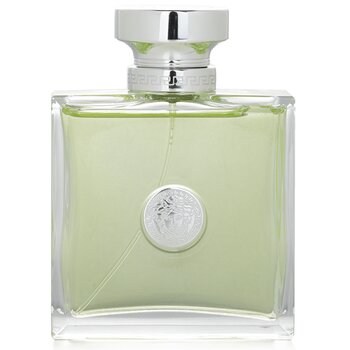
Versace Versense for Women Eau de Toilette Spray, 3.4 Ounce
Summary
This product features a blend of natural ingredients such as bergamot, green mandarin, and jasmine, which are generally considered safe and beneficial in cosmetics. The absence of synthetic chemicals, endocrine disruptors, or harmful additives contributes to its high rating. Its minimal processing level further supports a clean and natural profile, making it a favorable choice for those seeking a more natural fragrance option.
At a glance
Key ingredients 12
Bergamot
Bergamot is a citrus fruit known for its aromatic properties. It is often used in fragrances for its refreshing and uplifting scent. In cosmetics, it can enhance the sensory experience of the product.
Risks
Bergamot oil can cause photosensitivity, leading to skin irritation when exposed to sunlight.
Benefits
It provides a pleasant fragrance that can improve mood and reduce stress.
Green Mandarin
Green Mandarin is a citrus fruit that offers a fresh and sweet aroma. It is commonly used in perfumes for its bright and invigorating scent. The oil is extracted from the peel and is valued for its fragrance profile.
Risks
Like other citrus oils, it may cause skin irritation or photosensitivity in some individuals.
Benefits
It can uplift the mood and provide a refreshing scent to cosmetic products.
Fig
Fig is used in cosmetics primarily for its sweet and fruity fragrance. It is often included in perfumes to add a rich and complex scent profile. The fig scent is associated with warmth and comfort.
Risks
There are minimal risks associated with fig in cosmetics, though some individuals may experience allergic reactions.
Benefits
It enhances the fragrance complexity and provides a comforting aroma.
Citruses
Citruses are commonly used in cosmetics for their fresh and zesty scent. They are derived from various citrus fruits and are popular in perfumes for their invigorating aroma. Citrus oils are extracted from the peel and are known for their bright fragrance.
Risks
Citrus oils can cause photosensitivity, leading to skin irritation when exposed to sunlight.
Benefits
They provide a refreshing and energizing scent that can enhance the overall fragrance of a product.
Pear
Pear is used in cosmetics for its sweet and juicy fragrance. It is often included in perfumes to add a light and fruity note. The scent of pear is associated with freshness and delicacy.
Risks
Pear extracts are generally safe, but some individuals may experience allergic reactions.
Benefits
It adds a fresh and sweet aroma that can enhance the sensory appeal of cosmetic products.
Sea Lily
Sea Lily is a floral ingredient used in perfumes for its delicate and aquatic scent. It is valued for its ability to add a fresh and floral note to fragrances. The scent is often associated with purity and tranquility.
Risks
There are minimal risks associated with sea lily in cosmetics, though some individuals may experience allergic reactions.
Benefits
It provides a fresh and floral aroma that can enhance the fragrance profile of a product.
Jasmine
Jasmine is a popular floral ingredient in perfumes, known for its rich and sweet scent. It is often used to add depth and complexity to fragrances. Jasmine is associated with luxury and sensuality in perfumery.
Risks
Jasmine oil can cause skin irritation in sensitive individuals.
Benefits
It provides a luxurious and sensual aroma that enhances the overall fragrance experience.
Cardamom
Cardamom is a spice used in perfumes for its warm and spicy scent. It is often included to add an exotic and aromatic note to fragrances. The scent of cardamom is associated with warmth and richness.
Risks
Cardamom oil can cause skin irritation in sensitive individuals.
Benefits
It adds a warm and spicy aroma that can enhance the complexity of a fragrance.
Sandalwood
Sandalwood is a popular ingredient in perfumes for its woody and creamy scent. It is often used to add depth and warmth to fragrances. Sandalwood is associated with calmness and grounding in aromatherapy.
Risks
Sandalwood oil can cause skin irritation in sensitive individuals.
Benefits
It provides a warm and woody aroma that enhances the overall fragrance profile.
Cedar
Cedar is used in perfumes for its woody and earthy scent. It is often included to add a natural and grounding note to fragrances. The scent of cedar is associated with strength and stability.
Risks
Cedar oil can cause skin irritation in sensitive individuals.
Benefits
It provides a woody and earthy aroma that enhances the fragrance complexity.
Olive Wood
Olive Wood is used in perfumes for its warm and woody scent. It is often included to add a rich and natural note to fragrances. The scent of olive wood is associated with warmth and elegance.
Risks
There are minimal risks associated with olive wood in cosmetics, though some individuals may experience allergic reactions.
Benefits
It adds a warm and woody aroma that enhances the overall fragrance profile.
Musk
Musk is a common ingredient in perfumes for its deep and sensual scent. It is often used to add warmth and longevity to fragrances. Musk is associated with sensuality and allure in perfumery.
Risks
Synthetic musks can accumulate in the environment and may cause skin irritation in sensitive individuals.
Benefits
It provides a deep and sensual aroma that enhances the longevity and depth of a fragrance.
Processing
Unprocessed or Minimally Processed Foods
Get the full breakdown in the Scout app
Scan any product to see lab results, healthy alternatives, and your personalized analysis.
Download on theApp Store