

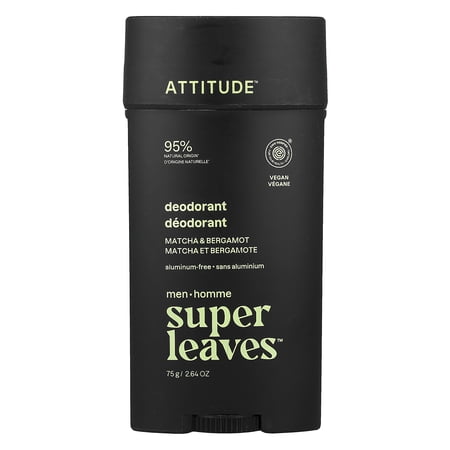


Salt & Stone Natural Deodorant - Bergamot & Hinoki
Summary
This deodorant is aluminum-free and composed of natural ingredients, which are generally considered safe and effective for odor control. The absence of synthetic chemicals such as parabens, phthalates, and synthetic fragrances contributes to its high rating. The use of naturally derived components like bergamot and hinoki further enhances its appeal as a clean and minimally processed personal care product.
At a glance
Key ingredients 18
Caprylic/Capric Triglyceride
Caprylic/Capric Triglyceride is a mixed triester derived from coconut oil and glycerin. It is used to improve the spreadability of products. It is generally considered safe and non-irritating.
Risks
There are minimal risks associated with this ingredient, primarily limited to rare allergic reactions.
Benefits
It helps to moisturize and soften the skin, enhancing the overall feel of the product.
Tapioca Starch
Tapioca Starch is a natural thickening agent derived from the cassava plant. It is used in deodorants for its moisture-absorbing properties. It is considered safe and non-toxic.
Risks
There are no significant risks associated with tapioca starch.
Benefits
It helps absorb moisture, keeping the skin dry and comfortable.
Ozokerite
Ozokerite is a naturally occurring mineral wax used to thicken and stabilize formulations. It provides structure to the product. It is generally regarded as safe.
Risks
Potential risks include skin irritation in sensitive individuals.
Benefits
It helps maintain the consistency and stability of the deodorant.
Magnesium Hydroxide
Magnesium Hydroxide is a naturally occurring mineral used as a gentle odor neutralizer. It is an effective alternative to aluminum compounds. It is considered safe for topical use.
Risks
There are minimal risks, primarily limited to rare skin irritation.
Benefits
It effectively neutralizes odor without blocking pores.
Sodium Bicarbonate
Sodium Bicarbonate, commonly known as baking soda, is used for its odor-neutralizing properties. It is a popular natural alternative in deodorants. It is generally safe for most users.
Risks
Some individuals may experience skin irritation or sensitivity.
Benefits
It effectively neutralizes body odor and is a natural alternative to synthetic chemicals.
Cocos Nucifera (Coconut) Oil
Coconut Oil is a natural oil extracted from the meat of coconuts. It is used for its moisturizing and antimicrobial properties. It is widely considered safe and beneficial for skin.
Risks
Rarely, it may cause allergic reactions in sensitive individuals.
Benefits
It moisturizes the skin and provides a natural barrier against bacteria.
Fragrance (Parfum)
Fragrance is a term used for a mixture of aromatic compounds. It is used to impart a pleasant scent to products. However, it can contain undisclosed chemicals.
Risks
Potential risks include skin irritation and allergic reactions, as well as concerns about undisclosed phthalates.
Benefits
It provides a pleasant scent to the product, enhancing user experience.
Butyrospermum Parkii (Shea) Butter
Shea Butter is a fat extracted from the nuts of the shea tree. It is used for its moisturizing and anti-inflammatory properties. It is considered safe and beneficial for skin.
Risks
There are minimal risks, primarily limited to rare allergic reactions.
Benefits
It deeply moisturizes and nourishes the skin, improving skin health.
Niacinamide
Niacinamide is a form of Vitamin B3 used for its skin-soothing and anti-inflammatory properties. It is beneficial for improving skin texture and tone. It is considered safe for topical use.
Risks
There are minimal risks, primarily limited to rare skin irritation.
Benefits
It helps improve skin barrier function and reduces inflammation.
Helianthus Annuus (Sunflower) Seed Oil
Sunflower Seed Oil is a non-volatile oil expressed from sunflower seeds. It is used for its emollient properties. It is generally considered safe and beneficial for skin.
Risks
There are minimal risks, primarily limited to rare allergic reactions.
Benefits
It moisturizes and softens the skin, providing essential fatty acids.
Tocopherol
Tocopherol, also known as Vitamin E, is an antioxidant used to protect skin and product formulations. It is beneficial for skin health. It is considered safe for topical use.
Risks
There are minimal risks, primarily limited to rare allergic reactions.
Benefits
It protects the skin from oxidative stress and supports skin health.
Spirulina Platensis Extract
Spirulina Platensis Extract is derived from blue-green algae and is rich in nutrients. It is used for its antioxidant and anti-inflammatory properties. It is considered safe for topical use.
Risks
There are minimal risks, primarily limited to rare allergic reactions.
Benefits
It provides antioxidant protection and supports skin health.
Lactobacillus Ferment
Lactobacillus Ferment is a probiotic ingredient used for its antimicrobial and skin-conditioning properties. It helps maintain a healthy skin microbiome. It is considered safe for topical use.
Risks
There are minimal risks, primarily limited to rare skin irritation.
Benefits
It supports a healthy skin microbiome and reduces odor-causing bacteria.
Maltodextrin
Maltodextrin is a polysaccharide used as a binding agent in cosmetic formulations. It is derived from starch and is generally considered safe. It is used to improve product texture.
Risks
There are minimal risks, primarily limited to rare allergic reactions.
Benefits
It helps stabilize the formulation and improve texture.
Benzyl Benzoate
Benzyl Benzoate is a fragrance ingredient and solvent. It is used to enhance the scent profile of products. It is generally considered safe in low concentrations.
Risks
Potential risks include skin irritation and allergic reactions in sensitive individuals.
Benefits
It enhances the fragrance profile of the product.
Citral
Citral is a naturally occurring fragrance compound found in the oils of several plants. It is used for its lemon-like scent. It is generally considered safe in low concentrations.
Risks
Potential risks include skin irritation and allergic reactions in sensitive individuals.
Benefits
It provides a fresh, citrus scent to the product.
Limonene
Limonene is a naturally occurring compound found in the rind of citrus fruits. It is used for its pleasant citrus scent. It is generally considered safe in low concentrations.
Risks
Potential risks include skin irritation and allergic reactions in sensitive individuals.
Benefits
It provides a fresh, citrus scent and has mild antimicrobial properties.
Linalool
Linalool is a naturally occurring terpene alcohol found in many flowers and spice plants. It is used for its pleasant floral scent. It is generally considered safe in low concentrations.
Risks
Potential risks include skin irritation and allergic reactions in sensitive individuals.
Benefits
It provides a pleasant floral scent and has mild antimicrobial properties.
Processing
Processed Foods
Get the full breakdown in the Scout app
Scan any product to see lab results, healthy alternatives, and your personalized analysis.
Download on theApp Store