



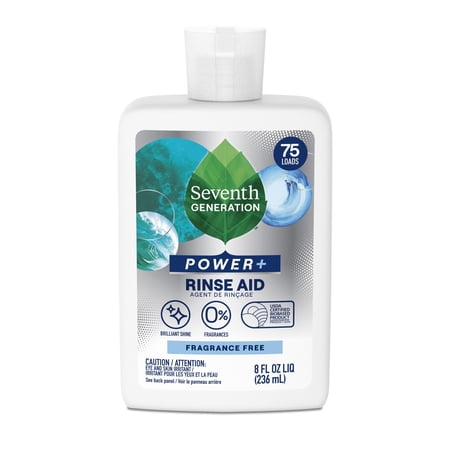
Seventh Generation All Purpose Cleaner Free & Clear 23 fl oz
Analysis updated August 2026 · How Scout scores
At a glance
Summary
This cleaner contains beneficial plant-derived ingredients like octyl/decyl glucoside and citric acid, which are mild and biodegradable. However, the presence of synthetic preservatives such as benzisothiazolinone and methylisothiazolinone, which can cause skin irritation and allergic reactions, lowers its safety profile. The product is processed, which also impacts its overall rating.
Key ingredients 7
Octyl/decyl glucosideGood
Octyl/decyl glucoside is a plant-derived surfactant known for its mildness and biodegradability. It is effective in breaking down oils and dirt without being harsh on surfaces. It is considered safe and environmentally friendly.
Risks
There are minimal risks associated with this ingredient, though it may cause mild irritation in sensitive individuals.
Benefits
It is a gentle and effective cleaning agent that is safe for both users and the environment.
WaterNeutral
Water is a universal solvent and is used as a base in many cleaning products. It helps dissolve other ingredients and facilitates the cleaning process. It is generally considered safe and non-toxic.
Risks
There are no significant risks associated with water in cleaning products.
Benefits
Water is essential for dissolving and distributing cleaning agents effectively.
Sodium citrateNeutral
Standard formulation ingredient — neither beneficial nor harmful at typical use.
Risks
There are no significant risks associated with sodium citrate in cleaning products.
Benefits
It enhances the performance of cleaning agents by softening water and is environmentally benign.
Laureth-6Neutral
Laureth-6 is a plant-derived cleaning agent used for its surfactant properties. It helps in emulsifying and removing dirt and oils from surfaces. While generally considered safe, it may contain trace amounts of 1,4-dioxane, a potential contaminant.
Risks
There is a potential risk of 1,4-dioxane contamination, which is a concern for long-term exposure.
Benefits
It is effective in cleaning and is less harsh than other surfactants like SLS.
Citric acidNeutral
Common acidulant and preservative — safe at typical use levels, neither beneficial nor harmful.
Risks
There are minimal risks associated with citric acid, though it may cause mild irritation if in contact with skin or eyes.
Benefits
It is a natural and effective ingredient for adjusting pH and enhancing cleaning power.
BenzisothiazolinoneBad
Benzisothiazolinone is a synthetic preservative used to prevent microbial growth in products. It is effective in extending shelf life but can be a skin irritant and allergen. It is considered a moderate risk due to its potential for causing allergic reactions.
Risks
It may cause skin irritation and allergic reactions in sensitive individuals.
Benefits
It effectively prevents microbial growth, ensuring product stability and longevity.
MethylisothiazolinoneVery Bad
Methylisothiazolinone is a synthetic preservative known for its antimicrobial properties. It is effective in preventing bacterial growth but is associated with skin sensitization and allergic reactions. It is considered a high-risk ingredient due to its potential for causing dermatitis.
Risks
It is a known skin sensitizer and can cause allergic reactions and dermatitis.
Benefits
It provides effective preservation against microbial contamination, extending product shelf life.
Processing
Processed Foods
Get the full breakdown in the Scout appTake Scout shopping
Scan any product to see lab results, healthy alternatives, and your personalized analysis.
Download on theApp Store GET IT ONGoogle PlayAmazon pricing & content
Amazon price as of . Product prices and availability are accurate as of the date/time indicated and are subject to change. Any price and availability information displayed on Amazon.com at the time of purchase will apply to the purchase of this product.
CERTAIN CONTENT THAT APPEARS ON THIS SITE COMES FROM AMAZON. THIS CONTENT IS PROVIDED “AS IS” AND IS SUBJECT TO CHANGE OR REMOVAL AT ANY TIME.