
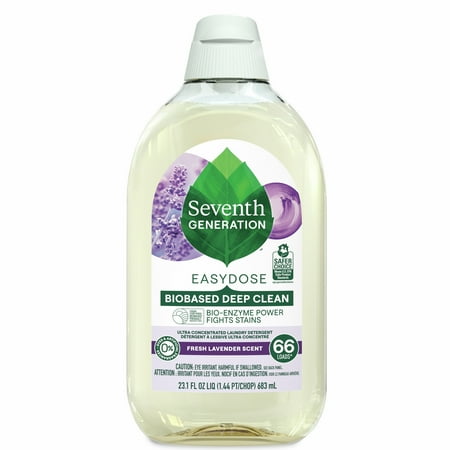
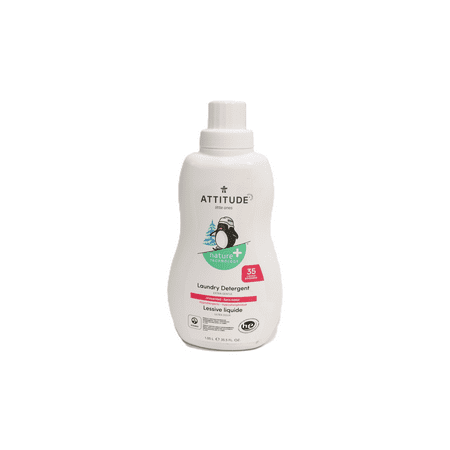
Seventh Generation Easy Dose Concentrated Liquid Laundry Detergent Lavender 23 fl oz 66 Loads
Analysis updated July 2026 · How Scout scores
At a glance
Summary
This laundry detergent primarily uses plant-derived ingredients and essential oils, which are generally safer for indoor use and have a lower environmental impact. The inclusion of laureth-6, a milder surfactant, is a minor concern due to potential contamination risks, but the product compensates with biodegradable enzymes and plant-based fragrances. Overall, it balances effective cleaning with a focus on sustainability and reduced chemical exposure.
Key ingredients 12
Octyl/Decyl GlucosideGood
Octyl/Decyl Glucoside is a plant-derived surfactant. It is known for being mild and biodegradable. It is often used in eco-friendly cleaning products.
Risks
There are minimal risks associated with this ingredient.
Benefits
It is effective in cleaning while being gentle on the skin and environment.
Protease enzyme blendGood
Protease enzymes break down protein-based stains. They are derived from natural sources and are biodegradable. They are effective in removing tough stains like blood and sweat.
Risks
There is a potential risk of allergic reactions in sensitive individuals.
Benefits
They enhance the cleaning power of the detergent.
Amylase enzyme blendGood
Amylase enzymes break down starch-based stains. They are derived from natural sources and are biodegradable. They are effective in removing food stains like pasta and rice.
Risks
There is a potential risk of allergic reactions in sensitive individuals.
Benefits
They improve the overall stain removal capability of the detergent.
Mannanase enzyme blendGood
Mannanase enzymes break down mannan-based stains. They are derived from natural sources and are biodegradable. They are effective in removing stains from foods like ice cream and sauces.
Risks
There is a potential risk of allergic reactions in sensitive individuals.
Benefits
They contribute to the detergent's ability to tackle complex stains.
Plant-derived fragrancesGood
Plant-derived fragrances are used to impart a pleasant scent. They are derived from natural sources like essential oils. They are considered safer than synthetic fragrances.
Risks
There is a potential risk of allergic reactions in sensitive individuals.
Benefits
They provide a natural and pleasant aroma to the detergent.
WaterNeutral
Water is a universal solvent used to dissolve other ingredients. It helps in the distribution of the detergent components. It is generally considered safe and non-toxic.
Risks
There are no significant risks associated with water in cleaning products.
Benefits
Water aids in the even distribution of active ingredients across fabrics.
Laureth-6Neutral
Laureth-6 is a surfactant that helps to break down oils and dirt. It is milder than sodium lauryl sulfate. It is generally considered safe for use in cleaning products.
Risks
There is a potential risk of skin irritation with prolonged exposure.
Benefits
It effectively removes grease and dirt from fabrics.
GlycerinNeutral
Glycerin is used as a humectant to retain moisture. It is derived from natural sources and is safe for use. It is commonly found in both personal care and cleaning products.
Risks
There are no significant risks associated with glycerin in cleaning products.
Benefits
It helps to maintain the moisture balance in the detergent.
Sodium OleateNeutral
Sodium oleate is a surfactant and emulsifying agent. It helps to mix oil and water-based ingredients. It is generally considered safe for use in cleaning products.
Risks
There are minimal risks associated with sodium oleate.
Benefits
It aids in the effective removal of oily stains.
Sodium ChlorideNeutral
Sodium chloride is used to adjust the viscosity of the detergent. It is a common ingredient in many household products. It is generally recognized as safe.
Risks
Excessive amounts can lead to product thickening.
Benefits
It helps to maintain the desired consistency of the detergent.
Citric AcidNeutral
Common acidulant and preservative — safe at typical use levels, neither beneficial nor harmful.
Risks
There are minimal risks associated with citric acid.
Benefits
It helps to soften water and enhance cleaning efficiency.
Propylene GlycolBad
Processed additive flagged under Scout's ingredient doctrine.
Risks
High concentrations can cause skin irritation.
Benefits
It helps to keep the detergent stable and effective over time.
Get the full breakdown in the Scout appTake Scout shopping
Scan any product to see lab results, healthy alternatives, and your personalized analysis.
Download on theApp Store GET IT ONGoogle PlayAmazon pricing & content
Amazon price as of . Product prices and availability are accurate as of the date/time indicated and are subject to change. Any price and availability information displayed on Amazon.com at the time of purchase will apply to the purchase of this product.
CERTAIN CONTENT THAT APPEARS ON THIS SITE COMES FROM AMAZON. THIS CONTENT IS PROVIDED “AS IS” AND IS SUBJECT TO CHANGE OR REMOVAL AT ANY TIME.