
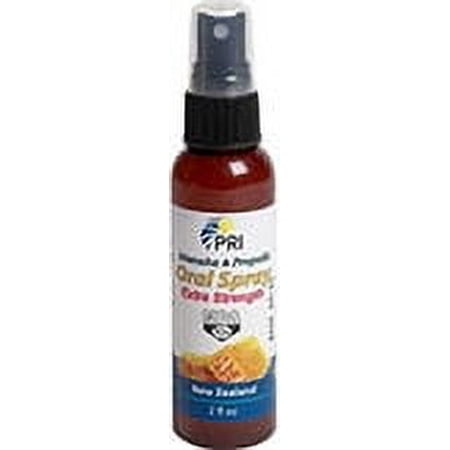
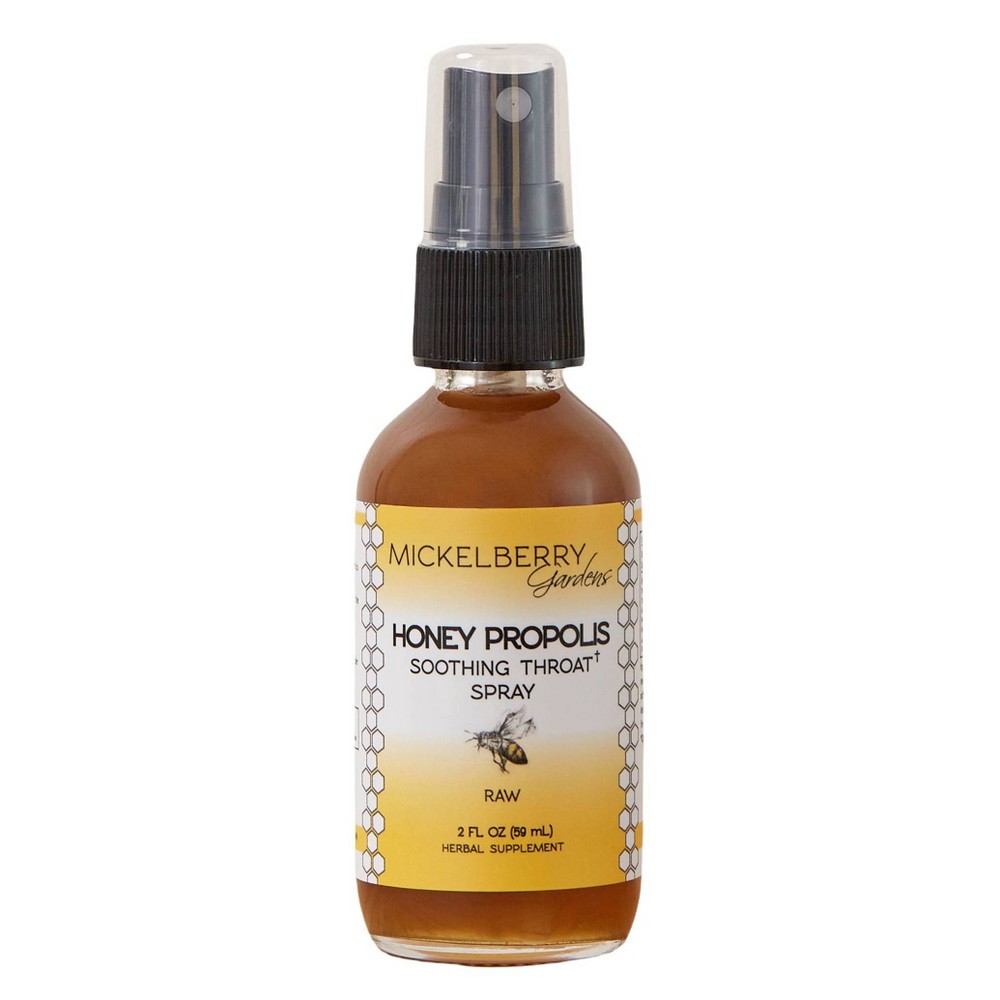


Propolis Oral Spray 2 OZ
Analysis updated September 2026 · How Scout scores
At a glance
Summary
This oral spray contains beneficial ingredients like Manuka honey, propolis extract, peppermint oil, and myrrh oil, all known for their antimicrobial and anti-inflammatory properties, which support oral health. The absence of harmful chemicals such as SLS, fluoride, or alcohol contributes to its high rating, making it a clean and effective choice for oral care.
Key ingredients 7
GlycerinGood
Beneficial ingredient — whole-food or functional value in this product class.
Risks
There are minimal risks associated with glycerin, though excessive use can lead to a sticky feeling in the mouth.
Benefits
Glycerin helps to keep the oral spray moist and palatable.
Mel (Manuka Honey)Good
Manuka honey is known for its natural antibacterial properties. It can help reduce harmful bacteria in the mouth. Its soothing properties may also benefit oral tissues.
Risks
Excessive use of honey can contribute to sugar intake, which may affect dental health if not managed.
Benefits
Manuka honey can help reduce oral bacteria and soothe oral tissues.
Pure Propolis ExtractGood
Propolis is a natural resinous mixture produced by bees, known for its antimicrobial properties. It can help reduce oral bacteria and promote oral health. Its anti-inflammatory properties may also benefit gum health.
Risks
Some individuals may experience allergic reactions to propolis.
Benefits
Propolis can help reduce oral bacteria and support gum health.
Mentha piperita (Peppermint) OilGood
Peppermint oil is a natural antimicrobial agent that helps freshen breath. It is commonly used in oral care for its refreshing taste and antibacterial properties. It can help reduce oral bacteria and improve breath freshness.
Risks
In rare cases, peppermint oil can cause irritation or allergic reactions.
Benefits
Peppermint oil helps freshen breath and reduce oral bacteria.
Commiphora myrrha (Myrrh) OilGood
Myrrh oil is known for its antimicrobial and anti-inflammatory properties. It has been traditionally used to support oral health and reduce gum inflammation. Its soothing properties can benefit oral tissues.
Risks
Myrrh oil can cause allergic reactions in some individuals.
Benefits
Myrrh oil supports oral health and reduces gum inflammation.
WaterNeutral
Water is used as a solvent and carrier for other ingredients. It is essential for dissolving and distributing active components. In oral care, it helps to dilute and spread the product evenly.
Risks
There are no significant risks associated with water in oral care products.
Benefits
Water aids in the dispersion of active ingredients and helps maintain the product's consistency.
Illicium verum (Aniseed) Fruit/Seed OilNeutral
Aniseed oil is used for its flavoring properties and potential antimicrobial effects. It can contribute to the overall taste profile of oral care products. Its antimicrobial properties may offer some oral health benefits.
Risks
Aniseed oil can cause allergic reactions in sensitive individuals.
Benefits
Aniseed oil provides flavor and may offer antimicrobial benefits.
Processing
Processed Foods
Get the full breakdown in the Scout appTake Scout shopping
Scan any product to see lab results, healthy alternatives, and your personalized analysis.
Download on theApp Store GET IT ONGoogle PlayAmazon pricing & content
Amazon price as of . Product prices and availability are accurate as of the date/time indicated and are subject to change. Any price and availability information displayed on Amazon.com at the time of purchase will apply to the purchase of this product.
CERTAIN CONTENT THAT APPEARS ON THIS SITE COMES FROM AMAZON. THIS CONTENT IS PROVIDED “AS IS” AND IS SUBJECT TO CHANGE OR REMOVAL AT ANY TIME.