

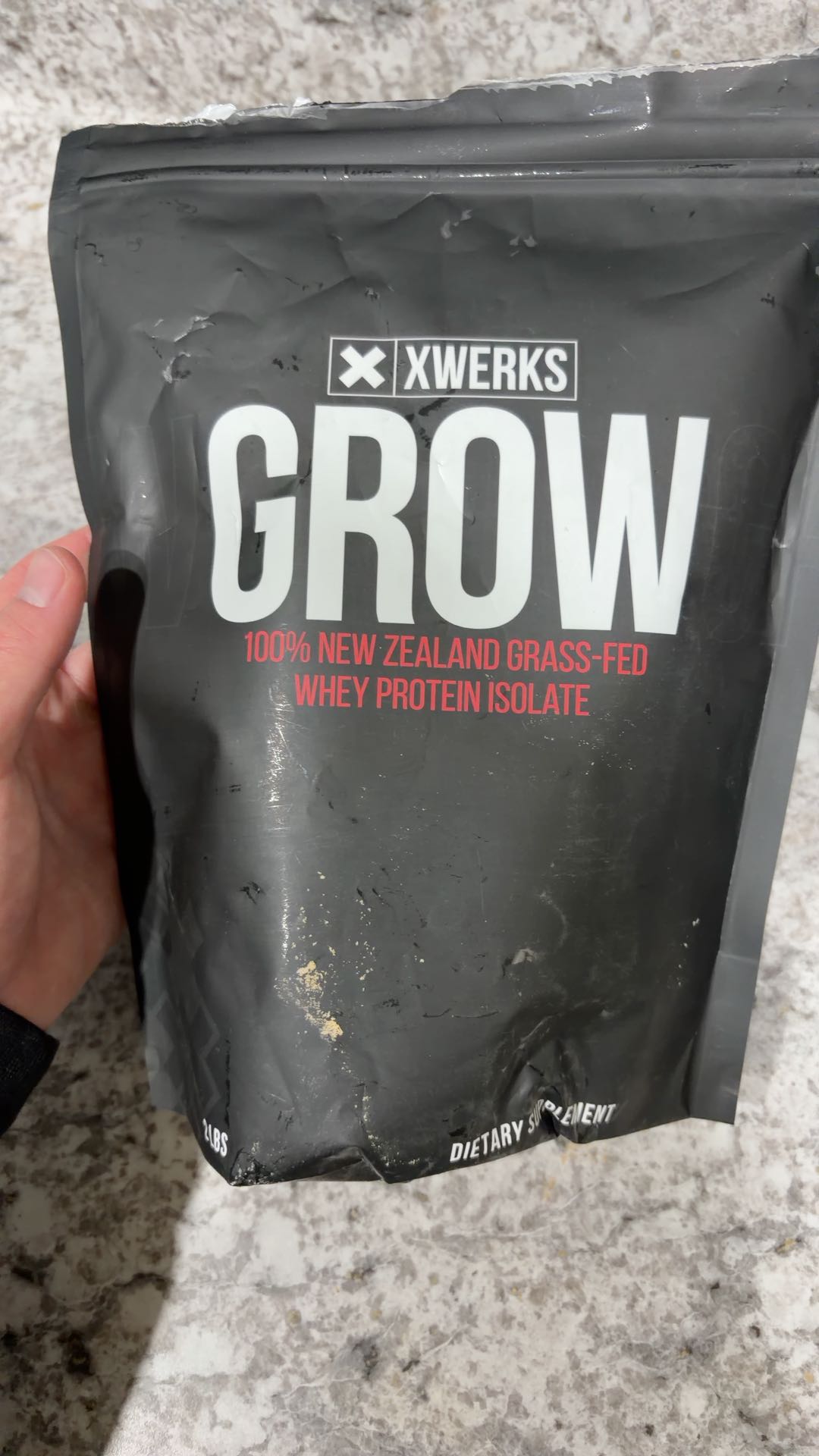


WHEY-80 Cookies and cream
Summary
This protein powder contains high-quality whey protein concentrate, which is beneficial for muscle repair and growth. However, the presence of artificial sweeteners like aspartame and acesulfame-K, along with unspecified flavoring and emulsifiers such as soy and sunflower lecithin, detracts from its overall healthiness. These additives raise concerns about potential health impacts and contribute to a moderate level of processing.
At a glance
Key ingredients 7
Whey Protein ConcentrateGood
Whey protein concentrate is a high-quality animal-based protein source with a rich amino acid profile. It is minimally processed compared to other protein forms, retaining more nutrients. This makes it an excellent choice for muscle repair and growth.
Benefits
Provides essential amino acids necessary for muscle recovery and growth.
CocoaNeutral
Cocoa is a natural ingredient often used for flavoring and contains antioxidants. It is generally considered a neutral ingredient in small amounts. The processing method and quantity used in supplements typically do not provide significant health benefits or risks.
Benefits
Contains antioxidants that may support overall health.
AspartameBad
Aspartame is an artificial sweetener used to provide sweetness without calories. It is a synthetic compound that has been associated with various health concerns, including headaches and potential metabolic effects. Its use in supplements is often criticized due to these potential health impacts.
Risks
May cause headaches and other adverse effects in sensitive individuals.
Benefits
Provides sweetness without adding calories, which can be beneficial for calorie-controlled diets.
FlavouringBad
Flavouring is a catch-all term that can include a variety of synthetic and natural compounds. The lack of specificity makes it difficult to assess the health impact, but artificial flavors are often criticized for potential health risks. This ingredient is penalized due to the potential inclusion of artificial additives.
Risks
Potential inclusion of artificial additives that may have adverse health effects.
Benefits
Enhances the taste of the product, making it more palatable.
Sunflower LecithinBad
Sunflower lecithin is used as an emulsifier and is derived from sunflower seeds. While it is not as harmful as seed oils, it is still a processed ingredient. It is generally considered less harmful than soy lecithin but still not beneficial.
Risks
May contain traces of solvents used in extraction, though generally considered safe in small amounts.
Benefits
Helps improve the texture and mixability of the product.
Soy LecithinBad
Soy lecithin is a common emulsifier derived from soybeans. It is a processed ingredient and may contain traces of solvents used in its extraction. It is often criticized for being a soy-based product, which some consumers prefer to avoid.
Risks
May contain allergens and traces of solvents from processing.
Benefits
Improves the texture and stability of the product.
Acesulfame-KBad
Acesulfame-K is an artificial sweetener used to enhance sweetness without calories. It is often used in combination with other sweeteners like aspartame. Concerns have been raised about its long-term health effects, including potential impacts on metabolism.
Risks
Potential long-term health effects and metabolic concerns.
Benefits
Provides sweetness without adding calories, useful for calorie-controlled diets.
Processing
Processed Foods
Get the full breakdown in the Scout app
Scan any product to see lab results, healthy alternatives, and your personalized analysis.
Download on theApp Store