
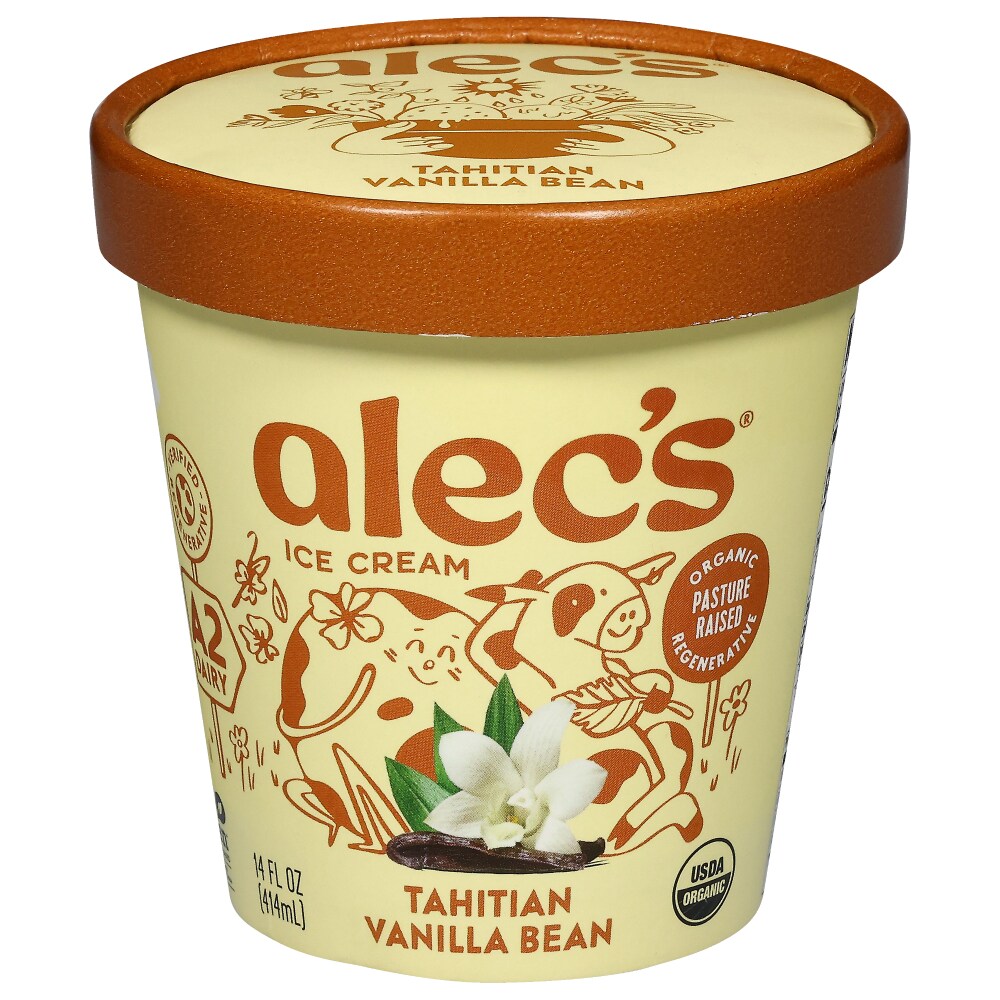


Vanilla Bean Ice Cream
Summary
This vanilla bean ice cream contains high-quality ingredients like cream and dairy proteins, which are beneficial for their nutritional profiles. However, the presence of EPG, a synthetic fat replacer, raises concerns due to its heavy processing and lack of nutritional benefits. Additionally, the product is classified as ultra-processed, which limits its overall health score despite the presence of some beneficial ingredients.
At a glance
Key ingredients 8
CreamGood
Cream is a high-quality source of dairy fat, providing essential fatty acids and fat-soluble vitamins. It is minimally processed and often comes from grass-fed cows, which can enhance its nutritional profile. Compared to seed oils, cream offers a more natural fat source with fewer processing concerns.
Risks
High in saturated fats, which may contribute to heart disease if consumed in excess.
Benefits
Rich in fat-soluble vitamins like A, D, E, and K, and provides a creamy texture and flavor to foods.
Dairy Protein BlendGood
Dairy protein blends typically contain high-quality proteins like whey or casein, which are complete proteins with all essential amino acids. These proteins are well-absorbed and support muscle maintenance and growth. Compared to plant-based proteins, dairy proteins offer superior bioavailability and amino acid profiles.
Risks
May cause digestive issues for individuals with lactose intolerance or dairy allergies.
Benefits
Supports muscle repair and growth due to its complete amino acid profile and high bioavailability.
WaterNeutral
Water is a neutral ingredient used as a solvent and to adjust the texture of food products. It is essential for hydration and does not contribute calories or nutrients. In processed foods, water helps achieve the desired consistency and volume.
Benefits
Essential for hydration and maintaining bodily functions.
Soluble Corn FiberNeutral
Soluble corn fiber is a processed fiber used to increase dietary fiber content in foods. It is derived from corn and can help improve digestive health by promoting regularity. Unlike whole food fibers, it is processed and lacks additional nutrients found in whole grains or vegetables.
Risks
Excessive consumption may cause digestive discomfort such as bloating or gas.
Benefits
May aid in digestive health by increasing fiber intake and promoting regular bowel movements.
AlluloseNeutral
Allulose is a low-calorie sweetener that mimics the taste and texture of sugar without the calories. It is naturally found in small quantities in some fruits and is generally recognized as safe. Unlike artificial sweeteners, it does not significantly impact blood sugar levels.
Risks
May cause digestive discomfort in some individuals when consumed in large amounts.
Benefits
Provides sweetness with minimal impact on blood sugar levels, making it suitable for low-calorie diets.
ErythritolNeutral
Erythritol is a sugar alcohol used as a low-calorie sweetener. It is naturally found in some fruits and is well-tolerated by most people. Unlike other sugar alcohols, erythritol is less likely to cause digestive issues and does not raise blood sugar levels.
Risks
Excessive consumption may lead to digestive discomfort, such as bloating or diarrhea.
Benefits
Provides sweetness without calories and does not affect blood sugar levels, making it suitable for diabetics.
Milk Protein ConcentrateGood
Milk protein concentrate is a high-quality protein source derived from milk, containing both casein and whey proteins. It provides a complete amino acid profile and is beneficial for muscle maintenance and repair. Compared to plant-based proteins, it offers superior digestibility and nutrient absorption.
Risks
May cause allergic reactions in individuals with dairy allergies or lactose intolerance.
Benefits
Supports muscle growth and repair due to its complete amino acid profile and high bioavailability.
EpgBad
EPG (esterified propoxylated glycerol) is a fat replacer used to reduce calorie content in foods. It is a synthetic ingredient created through chemical processes, raising concerns about its long-term health effects. Compared to natural fats, EPG is heavily processed and lacks nutritional benefits.
Risks
Potential digestive issues and unknown long-term health effects due to its synthetic nature.
Benefits
Reduces calorie content in foods by replacing traditional fats.
Processing
Ultra-Processed Foods
Get the full breakdown in the Scout app
Scan any product to see lab results, healthy alternatives, and your personalized analysis.
Download on theApp Store