

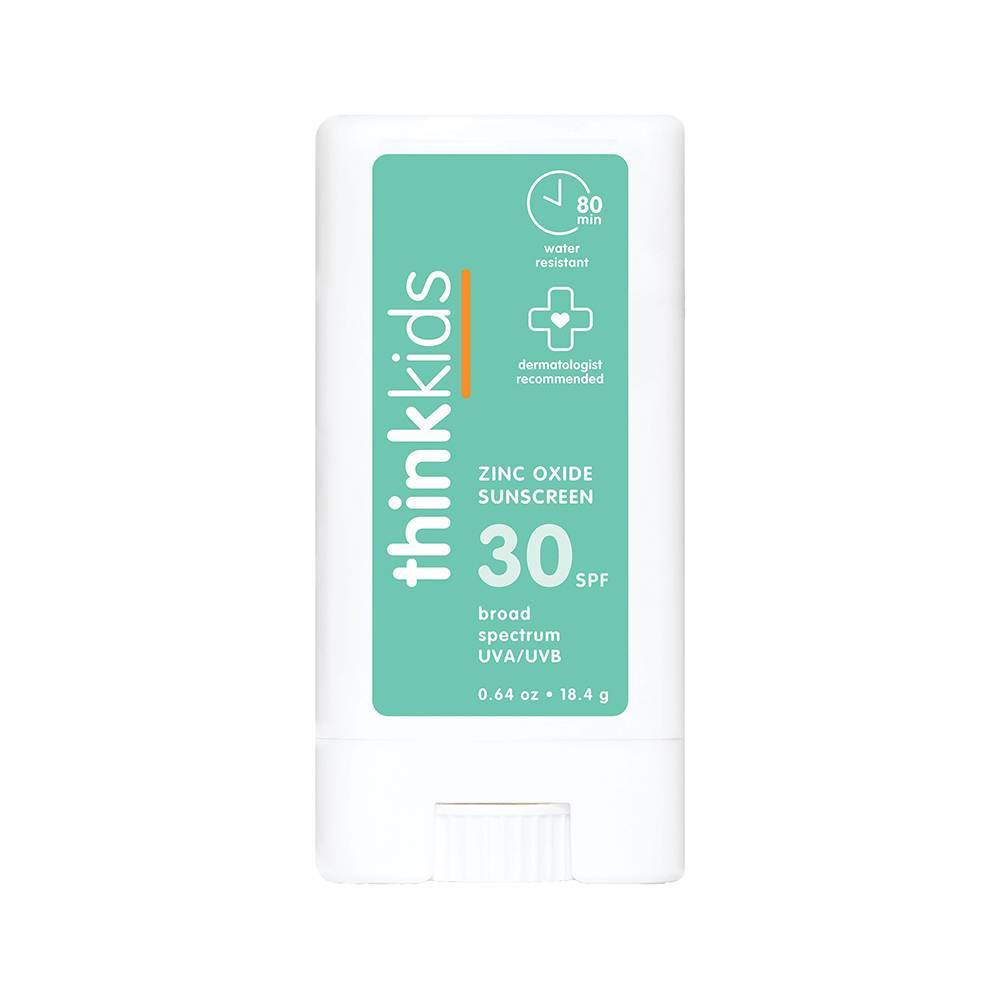
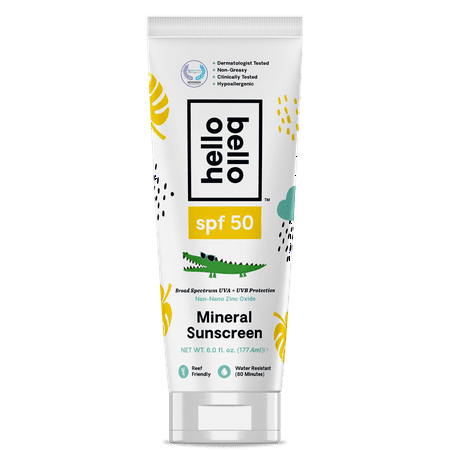


Tatcha SILKEN PORE PERFECTING SUNSCREEN TRAVEL SIZE 0.34 oz
Analysis updated August 2026 · How Scout scores
At a glance
Summary
This sunscreen contains zinc oxide, a beneficial mineral UV filter, and several botanical extracts that offer antioxidant and soothing properties. However, the presence of chemical UV filter octisalate, along with fragrance and phenoxyethanol, which can cause skin irritation, affects its overall safety profile. The product is moderately processed, which further impacts its rating.
Key ingredients 11
Zinc OxideGood
Zinc Oxide is a mineral sunscreen agent that provides broad-spectrum UV protection. It is considered safe and effective for sensitive skin. It is often used in creams and lotions for its protective properties.
Risks
There are minimal risks associated with Zinc Oxide, though it can leave a white cast on the skin.
Benefits
It offers excellent protection against both UVA and UVB rays and is non-irritating.
GlycerinGood
Glycerin is a well-known humectant that attracts moisture to the skin. It is widely used in skincare for its hydrating properties. It helps in maintaining the skin's moisture balance.
Risks
There are minimal risks associated with glycerin, though it can be sticky in high concentrations.
Benefits
It provides excellent hydration and helps in improving skin barrier function.
Rosa Multiflora Fruit ExtractGood
Rosa Multiflora Fruit Extract is a botanical ingredient known for its antioxidant properties. It helps in protecting the skin from environmental damage. It is used in cosmetics for its soothing and anti-aging benefits.
Risks
There is a low risk of allergic reactions, especially for sensitive skin types.
Benefits
It provides antioxidant protection and helps in soothing the skin.
OctisalateNeutral
Octisalate is used to stabilize sunscreen formulations and enhance UVB protection. It is generally considered safe for use in cosmetics. It helps improve the water resistance of sunscreen products.
Risks
There is a low risk of skin irritation, especially for sensitive skin types.
Benefits
It helps in extending the effectiveness of sunscreen by stabilizing other active ingredients.
WaterNeutral
Water is a common solvent used in cosmetic formulations. It acts as a base for many ingredients and helps in the application of the product. It is essential for the consistency and texture of the product.
Risks
There are no significant risks associated with water in cosmetic formulations.
Benefits
It helps in hydrating the skin and is a necessary component for product formulation.
IsododecaneNeutral
Isododecane is a lightweight, volatile solvent that helps in the even application of products. It evaporates quickly, leaving a smooth finish on the skin. It is commonly used in long-wear cosmetics.
Risks
There is a minimal risk of skin irritation, but it is generally considered safe.
Benefits
It provides a silky feel and helps in the spreadability of the product.
CyclopentasiloxaneNeutral
Cyclopentasiloxane is a silicone that provides a smooth application and a silky feel. It is used to improve the texture and spreadability of products. It evaporates quickly, leaving no residue.
Risks
There is a low risk of skin irritation, but it is generally considered safe.
Benefits
It enhances the texture of the product and provides a smooth, non-greasy finish.
PropanediolNeutral
Propanediol is a glycol that acts as a solvent and humectant in cosmetics. It helps in improving the texture and moisture retention of products. It is derived from corn sugar and is considered safe for use.
Risks
There is a low risk of skin irritation, especially for sensitive skin types.
Benefits
It helps in hydrating the skin and enhances the penetration of other ingredients.
DimethiconeBad
Occlusive silicone film-former — flagged under clean-beauty doctrine.
Risks
There is a low risk of skin irritation, but it is generally considered safe.
Benefits
It helps in smoothing the skin and improving the texture of the product.
PhenoxyethanolBad
Phenoxyethanol is a preservative used to prevent microbial growth in cosmetics. It is effective in extending the shelf life of products. However, it can cause skin irritation and allergic reactions in some individuals.
Risks
There is a risk of skin irritation and allergic reactions, particularly for sensitive skin.
Benefits
It helps in preserving the product and preventing contamination.
FragranceVery Bad
Fragrance is used to impart a pleasant scent to cosmetic products. However, it is a common allergen and can cause skin irritation. It is often criticized for its potential to cause allergic reactions.
Risks
There is a significant risk of skin irritation and allergic reactions, especially for sensitive skin.
Benefits
It provides a pleasant scent to the product, enhancing user experience.
Get the full breakdown in the Scout appTake Scout shopping
Scan any product to see lab results, healthy alternatives, and your personalized analysis.
Download on theApp Store GET IT ONGoogle Play