

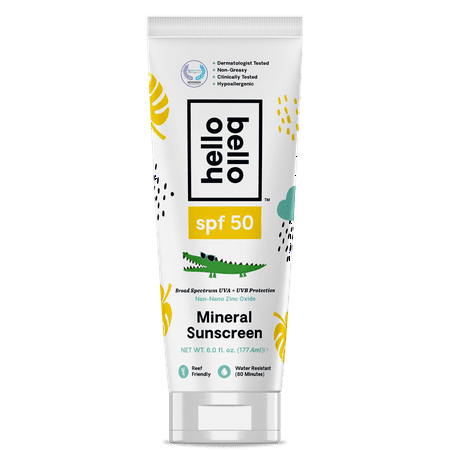

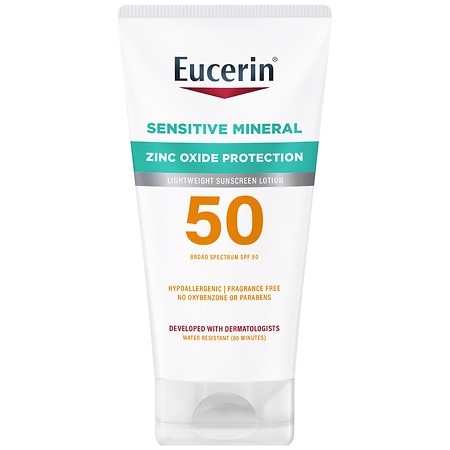
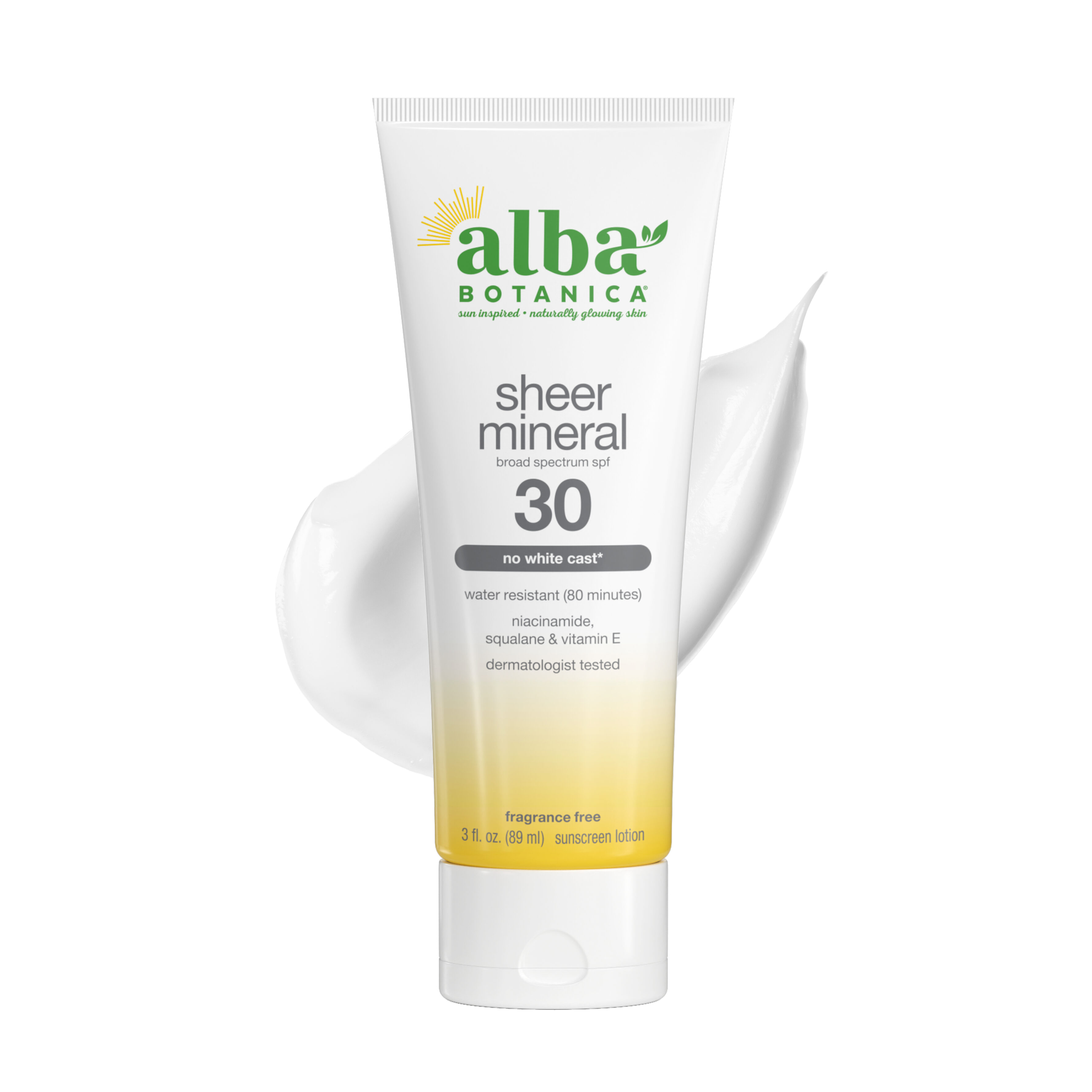
Equate Kids Broad Spectrum Sunscreen Lotion SPF 50 8 fl oz
Analysis updated August 2026 · How Scout scores
At a glance
Summary
This sunscreen contains beneficial ingredients like aloe vera and tocopheryl acetate, which provide soothing and antioxidant properties. However, it also includes PEG compounds and chemical UV filters, which can be concerning due to potential skin irritation and environmental impact. The presence of these synthetic ingredients and the level of processing limit its overall score.
Key ingredients 20
ALOE BARBADENSIS LEAF JUICEVery Good
Aloe Barbadensis Leaf Juice is a natural extract used for its soothing and moisturizing properties. It helps to calm irritated skin and improve hydration. It is well-tolerated by most skin types and is considered safe for use in cosmetics.
Risks
There are minimal risks associated with aloe vera, though it may cause mild irritation in very sensitive individuals.
Benefits
It provides excellent soothing and moisturizing benefits, making it ideal for sensitive or irritated skin.
CAPRYLIC/CAPRIC TRIGLYCERIDEGood
Caprylic/Capric Triglyceride is derived from coconut oil and glycerin. It is used as an emollient and helps to improve the spreadability of the product. It is well-tolerated by most skin types.
Risks
There are minimal risks associated with this ingredient, though it may cause mild irritation in very sensitive individuals.
Benefits
It provides a lightweight, non-greasy barrier that helps to retain moisture in the skin.
GLYCERINGood
Glycerin is a humectant used to attract moisture to the skin. It helps to improve the hydration and smoothness of the skin. It is well-tolerated by most skin types and is considered safe for use in cosmetics.
Risks
There are minimal risks associated with glycerin, though it may cause mild irritation in very sensitive individuals.
Benefits
It provides excellent moisturizing benefits and helps to maintain skin hydration.
TOCOPHERYL ACETATEGood
Tocopheryl Acetate is a form of Vitamin E used as an antioxidant in cosmetic formulations. It helps to protect the skin from free radical damage. It is well-tolerated by most skin types and is considered safe for use in cosmetics.
Risks
There are minimal risks associated with tocopheryl acetate, though it may cause mild irritation in very sensitive individuals.
Benefits
It provides antioxidant benefits and helps to protect the skin from environmental stressors.
WATERNeutral
Water is a common solvent used in many cosmetic formulations. It helps to dissolve other ingredients and provides a base for the product. It is generally considered safe and non-irritating.
Risks
There are no significant risks associated with water in cosmetic formulations.
Benefits
Water helps to hydrate the skin and is essential for the formulation of emulsions.
ISOHEXADECANENeutral
Isohexadecane is a synthetic ingredient used as an emollient and texture enhancer. It provides a silky feel and helps to improve the spreadability of the product. It is generally considered safe for use in cosmetics.
Risks
There are no significant risks associated with isohexadecane in cosmetic formulations.
Benefits
It helps to create a smooth application and enhances the sensory experience of the product.
OCTYLDODECYL CITRATE CROSSPOLYMERNeutral
Octyldodecyl Citrate Crosspolymer is used as a film-forming agent and texture enhancer. It helps to improve the water resistance of the product. It is generally considered safe for use in cosmetics.
Risks
There are no significant risks associated with this ingredient in cosmetic formulations.
Benefits
It provides a smooth, even application and enhances the durability of the product.
CETYL PEG/PPG-10/1 DIMETHICONENeutral
Cetyl PEG/PPG-10/1 Dimethicone is a silicone-based polymer used as an emulsifier and conditioning agent. It helps to improve the texture and spreadability of the product. It is generally considered safe for use in cosmetics.
Risks
There are minimal risks associated with this ingredient, though it may cause mild irritation in sensitive individuals.
Benefits
It provides a silky, smooth feel and enhances the sensory experience of the product.
LAURYL PEG-8 DIMETHICONENeutral
Lauryl PEG-8 Dimethicone is a silicone-based surfactant used as an emulsifier and conditioning agent. It helps to improve the texture and spreadability of the product. It is generally considered safe for use in cosmetics.
Risks
There are minimal risks associated with this ingredient, though it may cause mild irritation in sensitive individuals.
Benefits
It provides a smooth, silky feel and enhances the sensory experience of the product.
C30-38 OLEFIN/ISOPROPYL MALEATE/MA COPOLYMERNeutral
This copolymer is used as a film-forming agent and texture enhancer. It helps to improve the water resistance and durability of the product. It is generally considered safe for use in cosmetics.
Risks
There are no significant risks associated with this ingredient in cosmetic formulations.
Benefits
It provides a smooth, even application and enhances the longevity of the product.
SODIUM CHLORIDENeutral
Sodium Chloride, commonly known as salt, is used as a thickening agent in cosmetic formulations. It helps to adjust the viscosity of the product. It is generally considered safe for use in cosmetics.
Risks
There are no significant risks associated with sodium chloride in cosmetic formulations.
Benefits
It helps to stabilize the formulation and improve the texture of the product.
ETHYLHEXYL METHOXYCRYLENENeutral
Ethylhexyl Methoxycrylene is used as a photostabilizer in sunscreen products. It helps to enhance the stability and effectiveness of UV filters. It is generally considered safe for use in cosmetics.
Risks
There are minimal risks associated with this ingredient, though it may cause mild irritation in sensitive individuals.
Benefits
It enhances the photostability of sunscreen agents, improving their effectiveness.
CAPRYLYL GLYCOLNeutral
Caprylyl Glycol is used as a skin conditioning agent and preservative booster. It helps to improve the moisture content of the skin. It is generally considered safe for use in cosmetics.
Risks
There are minimal risks associated with this ingredient, though it may cause mild irritation in sensitive individuals.
Benefits
It provides moisturizing benefits and enhances the preservation of the product.
SILICANeutral
Silica is used as a thickening agent and absorbent in cosmetic formulations. It helps to improve the texture and mattify the skin. It is generally considered safe for use in cosmetics.
Risks
There are no significant risks associated with silica in cosmetic formulations.
Benefits
It provides a smooth, matte finish and enhances the texture of the product.
TRIETHOXYCAPRYLYLSILANENeutral
Triethoxycaprylylsilane is used as a surface treatment for pigments and fillers. It helps to improve the dispersion and stability of the product. It is generally considered safe for use in cosmetics.
Risks
There are no significant risks associated with this ingredient in cosmetic formulations.
Benefits
It enhances the stability and dispersion of pigments, improving the overall performance of the product.
SODIUM CITRATENeutral
Sodium Citrate is used as a buffering agent in cosmetic formulations. It helps to maintain the pH balance of the product. It is generally considered safe for use in cosmetics.
Risks
There are no significant risks associated with sodium citrate in cosmetic formulations.
Benefits
It helps to stabilize the formulation and maintain the desired pH level.
BUTYLOCTYL SALICYLATEBad
Processed additive flagged under Scout's ingredient doctrine.
Risks
There are minimal risks associated with this ingredient, though it may cause mild irritation in sensitive individuals.
Benefits
It enhances the effectiveness of sunscreen agents and provides a smooth application.
DIMETHICONEBad
Occlusive silicone film-former — flagged under clean-beauty doctrine.
Risks
There are minimal risks associated with this ingredient, though it may cause mild irritation in sensitive individuals.
Benefits
It provides a smooth, silky feel and enhances the sensory experience of the product.
PEG-8Bad
Processed additive flagged under Scout's ingredient doctrine.
Risks
There are minimal risks associated with this ingredient, though it may cause mild irritation in sensitive individuals.
Benefits
It provides moisturizing benefits and enhances the texture of the product.
PHENOXYETHANOLBad
Processed additive flagged under Scout's ingredient doctrine.
Risks
There are minimal risks associated with phenoxyethanol, though it may cause mild irritation in sensitive individuals.
Benefits
It provides effective preservation, ensuring the product remains safe and stable over time.
Get the full breakdown in the Scout appTake Scout shopping
Scan any product to see lab results, healthy alternatives, and your personalized analysis.
Download on theApp Store GET IT ONGoogle Play