
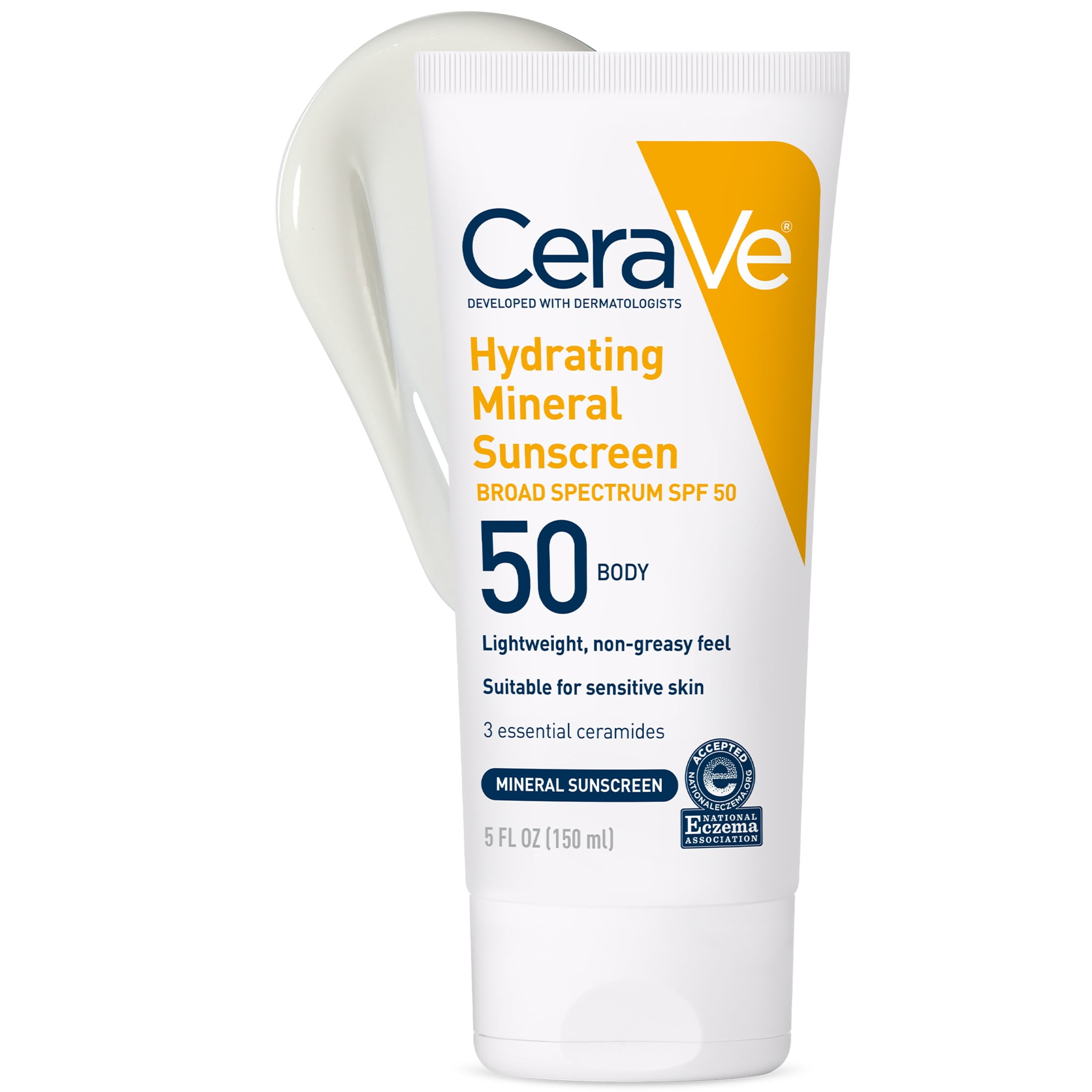

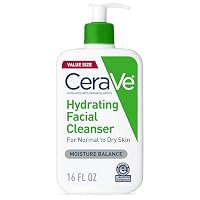


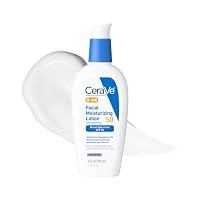

CeraVe Developed with Dermatologists Sunscreen Body Broad Spectrum SPF 50 / LOTION
Analysis updated August 2026 · How Scout scores
At a glance
Summary
This sunscreen contains beneficial ingredients like glycerin and ceramides, which help maintain skin hydration and barrier function. However, it also includes chemical UV filters and synthetic polymers, which can be concerning due to potential skin irritation and environmental impact. The presence of multiple synthetic ingredients and the level of processing contribute to a moderate score.
Key ingredients 5
Ceramide APVery Good
Ceramide AP is another type of ceramide that aids in reinforcing the skin's barrier and retaining moisture. It is crucial for maintaining skin integrity.
Risks
Ceramide AP is generally safe and non-irritating.
Benefits
It helps to strengthen the skin barrier and enhance moisture retention.
Ceramide EOPVery Good
Ceramide EOP is essential for skin barrier function and hydration. It plays a role in protecting the skin from environmental damage.
Risks
Ceramide EOP is considered safe with minimal risk of irritation.
Benefits
It contributes to a healthy skin barrier and improved hydration.
GlycerinGood
Glycerin is a humectant that attracts moisture to the skin, helping to maintain hydration. It is widely used in skincare products for its ability to improve skin barrier function.
Risks
Glycerin is generally considered safe with minimal risk of irritation.
Benefits
It helps to keep the skin moisturized and can improve skin texture.
Ceramide NPGood
Ceramide NP is a lipid that helps to restore the skin barrier and retain moisture. It is beneficial for maintaining skin health and preventing dryness.
Risks
Ceramides are typically well-tolerated with a low risk of adverse effects.
Benefits
They support the skin's natural barrier and improve hydration.
Sodium HyaluronateGood
Sodium Hyaluronate is a form of hyaluronic acid that can penetrate the skin to provide deep hydration. It is known for its ability to hold water and improve skin elasticity.
Risks
It is generally safe and well-tolerated, with a low risk of irritation.
Benefits
It enhances skin hydration and can reduce the appearance of fine lines.
Get the full breakdown in the Scout appTake Scout shopping
Scan any product to see lab results, healthy alternatives, and your personalized analysis.
Download on theApp Store GET IT ONGoogle Play