
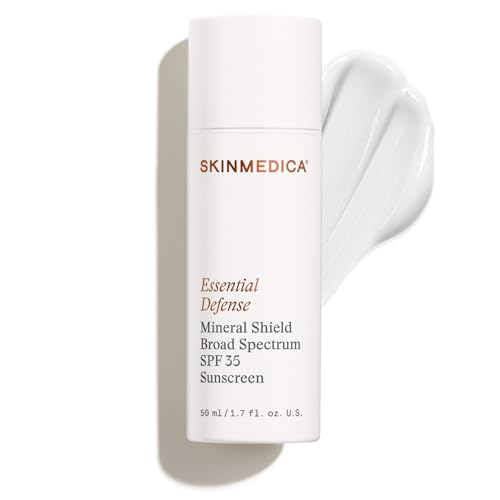
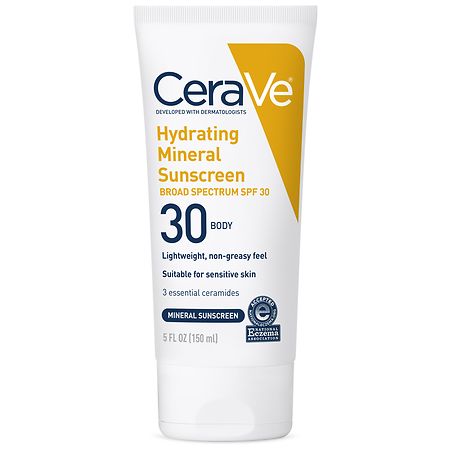
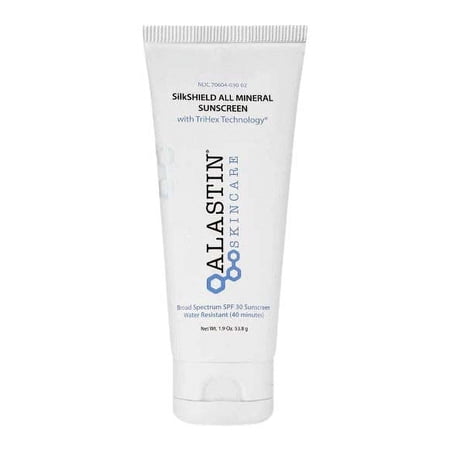
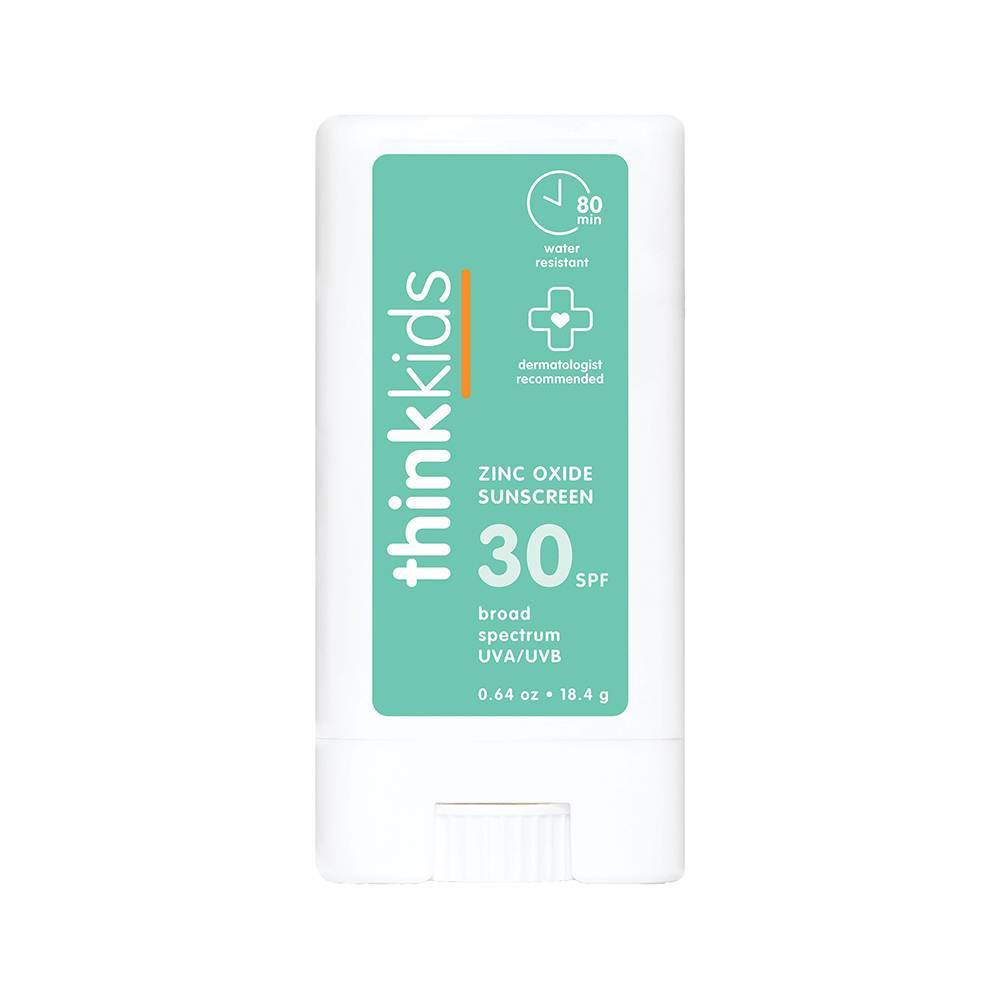
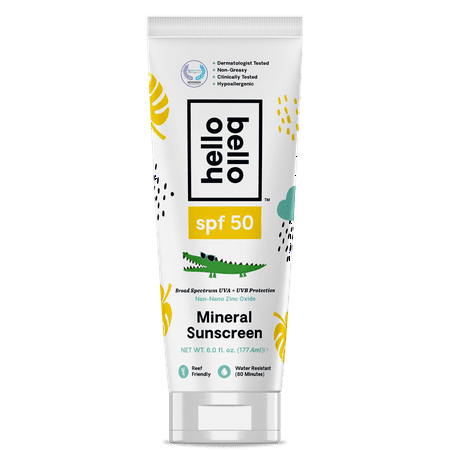
SkinMedica Essential Defense Mineral Shield SPF 35 1.85 Oz
Analysis updated June 2026 · How Scout scores
At a glance
Summary
This sunscreen contains mineral-based active ingredients, titanium dioxide and zinc oxide, which are generally considered safe and effective for sun protection. However, the presence of synthetic compounds like cyclopentasiloxane and dimethicone, which are used for texture and spreadability, indicates a moderate level of processing. While these ingredients are not highly concerning, they do not contribute to a completely natural formulation, which affects the overall score.
Key ingredients 8
Zinc Oxide (6.0%)Good
Zinc Oxide is a natural mineral known for its gentle yet effective sun-blocking properties, supporting skin health.
Titanium Dioxide (5.0%)Neutral
Standard formulation ingredient — neither beneficial nor harmful at typical use.
WaterNeutral
Water is a common base in skincare products, helping to hydrate and blend ingredients without adding any beneficial or harmful effects.
See more about Water →CyclopentasiloxaneNeutral
Cyclopentasiloxane is a silicone that provides a smooth application and helps distribute the product evenly on the skin.
See more about Cyclopentasiloxane →Polyglyceryl-3 Polydimethylsiloxyethyl DimethiconeNeutral
This ingredient acts as an emollient and stabilizer, enhancing the product’s consistency and skin feel.
ButyleneNeutral
Butylene is a solvent that helps dissolve other ingredients, ensuring the product maintains its proper consistency.
Triethoxysilylethyl Polydimethylsiloxyethyl Hexyl DimethiconeNeutral
This silicone derivative improves the product’s spreadability and provides a silky finish on the skin.
DimethiconeBad
Occlusive silicone film-former — flagged under clean-beauty doctrine.
See more about Dimethicone →Processing
Processed Foods
Get the full breakdown in the Scout appTake Scout shopping
Scan any product to see lab results, healthy alternatives, and your personalized analysis.
Download on theApp Store GET IT ONGoogle PlayAmazon pricing & content
Amazon price as of . Product prices and availability are accurate as of the date/time indicated and are subject to change. Any price and availability information displayed on Amazon.com at the time of purchase will apply to the purchase of this product.
CERTAIN CONTENT THAT APPEARS ON THIS SITE COMES FROM AMAZON. THIS CONTENT IS PROVIDED “AS IS” AND IS SUBJECT TO CHANGE OR REMOVAL AT ANY TIME.