
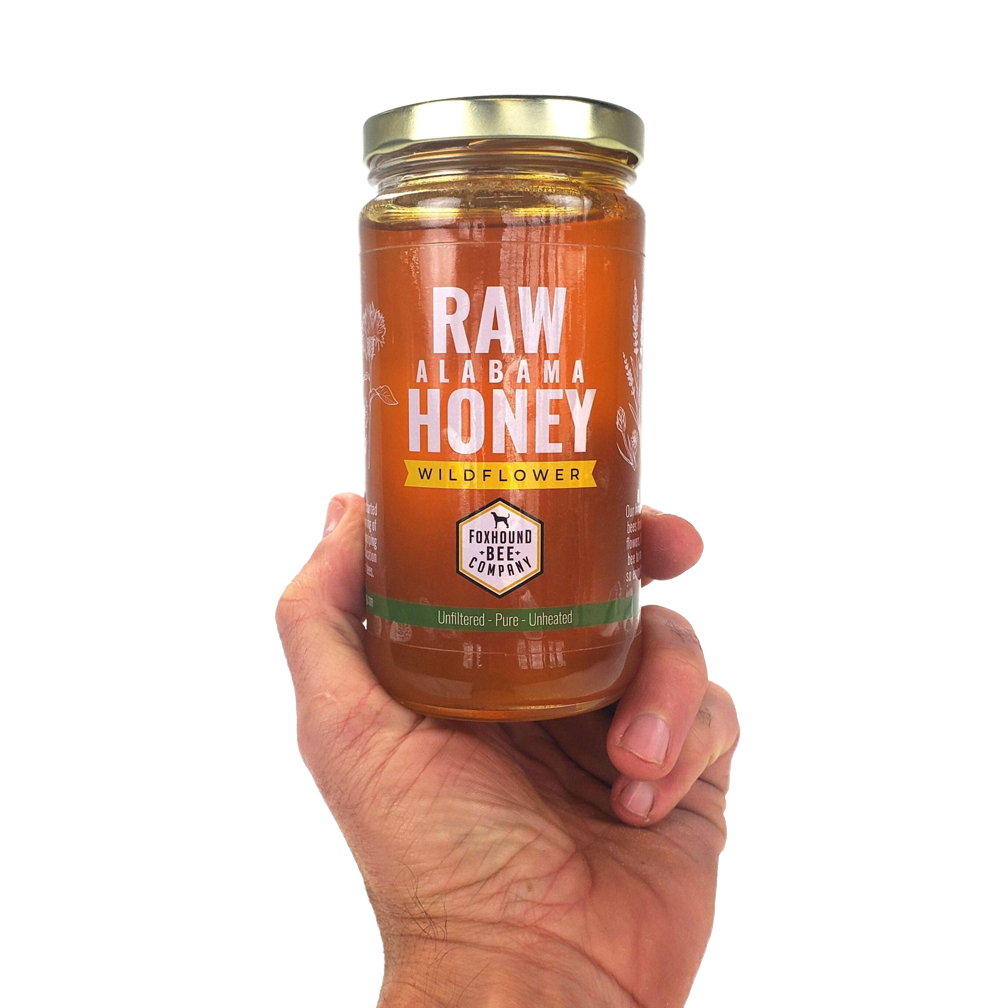
Raw honey
Summary
Raw honey is a minimally processed product that retains its natural enzymes and nutrients, offering antioxidant and antimicrobial properties. It contains beneficial components like pollen, bee propolis, and essential vitamins and minerals, contributing to its health benefits. The absence of harmful additives and its status as a single-ingredient food enhance its nutritional profile, making it a high-quality choice within its category.
At a glance
Key ingredients 10
HoneyVery Good
Honey is a natural sweetener with antioxidant and antimicrobial properties. It is minimally processed, retaining beneficial enzymes and nutrients. Raw honey is often used for its soothing effects on the throat and potential wound healing properties.
Risks
Excessive consumption can lead to increased blood sugar levels and weight gain.
Benefits
Contains antioxidants and has antimicrobial properties. May help soothe sore throats and support wound healing.
PollenGood
Pollen is a natural source of vitamins, minerals, and proteins. It is collected by bees and is often considered a superfood due to its nutrient density. Pollen may support immune function and provide energy.
Risks
May cause allergic reactions in sensitive individuals.
Benefits
Rich in vitamins, minerals, and proteins. May support immune function and provide energy.
Bee PropolisGood
Bee propolis is a resinous substance with antimicrobial and anti-inflammatory properties. It is used by bees to seal their hives and protect against bacteria and viruses. Propolis may support oral health and boost the immune system.
Risks
Potential for allergic reactions, especially in individuals allergic to bee products.
Benefits
Has antimicrobial and anti-inflammatory properties. May support oral health and boost the immune system.
GlucoseNeutral
Glucose is a simple sugar that provides a quick source of energy. It is naturally present in honey and contributes to its sweetness. While essential for energy, excessive intake can lead to health issues.
Risks
Excessive consumption can lead to increased blood sugar levels and weight gain.
Benefits
Provides a quick source of energy.
FructoseNeutral
Fructose is a natural sugar found in honey that contributes to its sweetness. It is metabolized differently than glucose, primarily in the liver. While it provides energy, excessive intake can have negative health effects.
Risks
High intake may lead to insulin resistance and liver issues.
Benefits
Provides energy and contributes to the natural sweetness of honey.
PolysaccharidesGood
Polysaccharides in honey contribute to its viscosity and potential health benefits. They are complex carbohydrates that can support gut health. These compounds may have prebiotic effects, promoting beneficial gut bacteria.
Benefits
May support gut health and have prebiotic effects.
WaterNeutral
Water is a natural component of honey, contributing to its texture and stability. It helps maintain the moisture content necessary for honey's preservation. Water content in honey is typically low, preventing fermentation.
Benefits
Essential for maintaining honey's texture and stability.
ProteinsGood
Proteins in honey are present in small amounts and contribute to its nutritional profile. They include enzymes that can have beneficial effects on digestion. These proteins may also support immune function.
Benefits
Contributes to honey's nutritional profile and may support digestion and immune function.
MineralsGood
Minerals in honey include potassium, calcium, and magnesium, which are essential for various bodily functions. They contribute to the overall nutritional value of honey. These minerals support bone health, muscle function, and electrolyte balance.
Benefits
Supports bone health, muscle function, and electrolyte balance.
VitaminsGood
Vitamins in honey, such as vitamin C and B vitamins, contribute to its nutritional benefits. They play roles in energy metabolism and immune support. These vitamins enhance the overall health benefits of honey.
Benefits
Contributes to energy metabolism and immune support.
Processing
Unprocessed or Minimally Processed Foods
Get the full breakdown in the Scout app
Scan any product to see lab results, healthy alternatives, and your personalized analysis.
Download on theApp Store