


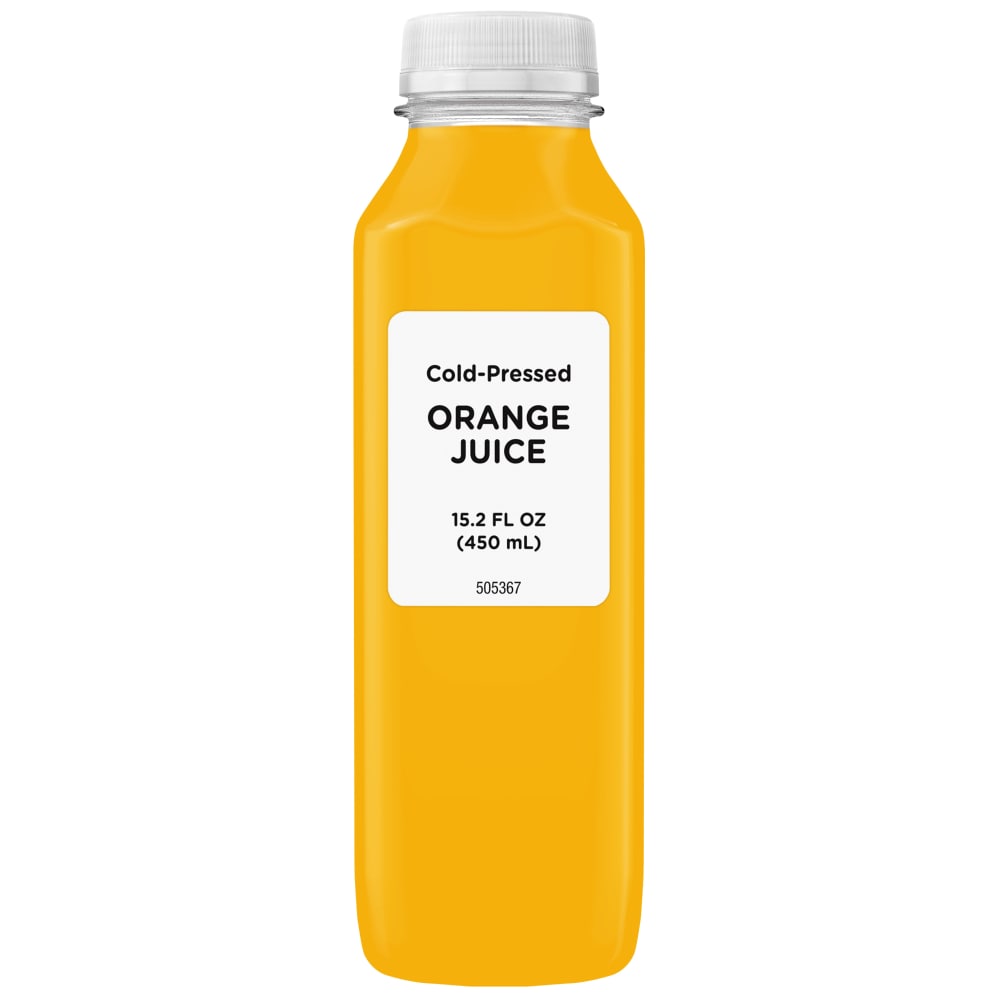
Pure Orange Juice
Summary
This orange juice is moderately processed, containing preservatives like sodium benzoate and potassium sorbate, which can raise health concerns. While it is fortified with beneficial nutrients such as calcium and vitamins D3 and C, the presence of natural sugars and the processing level limit its healthiness. The use of juice concentrate rather than fresh juice also contributes to its processing score, impacting the overall rating.
At a glance
Key ingredients 8
Filtered WaterNeutral
Filtered water is used as a base for many beverages and is generally considered neutral. It provides hydration without any additional nutrients or calories. The filtration process removes impurities, ensuring safety and quality.
See more about Filtered Water →Orange Juice ConcentrateGood
Orange juice concentrate is a source of natural sugars and vitamins, particularly vitamin C. It is derived from oranges and retains many of the fruit's beneficial nutrients. The concentration process may reduce some nutrients but generally maintains the juice's health benefits.
Risks
Excessive consumption may lead to high sugar intake.
Benefits
Rich in vitamin C and antioxidants, supporting immune function and overall health.
Tricalcium PhosphateGood
Tricalcium phosphate is added to fortify beverages with calcium, supporting bone health. It is a common food additive that helps maintain calcium levels in the body. The compound is generally recognized as safe when consumed in typical amounts.
Risks
Excessive intake may lead to imbalances in mineral absorption.
Benefits
Provides a source of calcium, essential for maintaining strong bones and teeth.
Calcium LactateGood
Calcium lactate is used to fortify foods with calcium, enhancing nutritional value. It is easily absorbed by the body and supports bone health. This ingredient is often used in conjunction with other calcium sources to improve bioavailability.
Benefits
Enhances calcium intake, supporting bone density and health.
Vitamin D3Good
Vitamin D3 is essential for calcium absorption and bone health. It is often added to foods to prevent deficiencies, especially in populations with limited sun exposure. This vitamin plays a crucial role in immune function and overall health.
Risks
Excessive intake can lead to toxicity, but this is rare with dietary sources.
Benefits
Supports bone health and immune function by aiding calcium absorption.
Vitamin CGood
Vitamin C is a powerful antioxidant that supports immune health and skin integrity. It is commonly added to beverages to enhance nutritional value and prevent oxidation. This vitamin is water-soluble and generally safe in high amounts.
Benefits
Boosts immune function and acts as an antioxidant, protecting cells from damage.
Sodium BenzoateBad
Sodium benzoate is a preservative used to prevent microbial growth in acidic foods and beverages. While effective, it can form benzene, a carcinogen, when combined with vitamin C under certain conditions. Its use is regulated due to potential health concerns.
Risks
May form benzene, a potential carcinogen, when combined with vitamin C.
Benefits
Extends shelf life by preventing microbial growth in acidic environments.
Potassium SorbateBad
Potassium sorbate is a preservative that inhibits mold and yeast growth in foods. While generally recognized as safe, it can cause allergic reactions in sensitive individuals. Its use is common in the food industry to extend product shelf life.
Risks
May cause allergic reactions in sensitive individuals.
Benefits
Prevents spoilage by inhibiting mold and yeast growth, extending shelf life.
Processing
Processed Foods
Get the full breakdown in the Scout app
Scan any product to see lab results, healthy alternatives, and your personalized analysis.
Download on theApp Store