
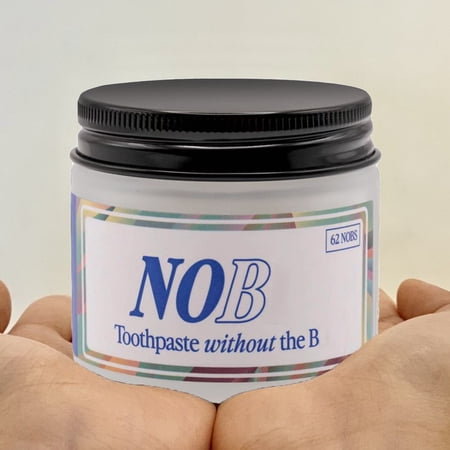
3PC Nobs Toothpaste Tablets for Cleaning Teeth and Removing Stains Fluoride and Plastic Free to Keep Your Mouth Healthy
Analysis updated August 2026 · How Scout scores
At a glance
Summary
This toothpaste tablet features a clean and effective formula with beneficial ingredients like nano hydroxyapatite and xylitol, which support enamel remineralization and reduce cavity-causing bacteria. The inclusion of organic coconut oil and natural mint oils further enhances its oral health benefits without the presence of harmful chemicals such as fluoride or SLS. Its minimal processing and absence of plastic make it an excellent choice for maintaining oral hygiene.
Key ingredients 12
Nano HydroxyapatiteVery Good
Nano Hydroxyapatite is a biomimetic mineral that helps to remineralize tooth enamel. It mimics the natural structure of teeth, aiding in the repair of micro-lesions. This ingredient is highly regarded for its ability to strengthen teeth.
Risks
There are minimal risks associated with Nano Hydroxyapatite, though excessive use could potentially lead to minor enamel buildup.
Benefits
It effectively strengthens and repairs tooth enamel, reducing sensitivity and preventing cavities.
XylitolVery Good
Xylitol is a natural sweetener known for its ability to reduce cavity-causing bacteria in the mouth. It helps maintain a neutral pH level in the mouth, which is beneficial for oral health. Xylitol is often used in oral care products for its dental benefits.
Risks
In large quantities, xylitol can cause digestive discomfort, but this is unlikely in typical oral care use.
Benefits
It reduces the risk of tooth decay by inhibiting the growth of harmful bacteria.
Organic Coconut OilGood
Organic Coconut Oil is known for its natural antibacterial properties, which can help reduce harmful bacteria in the mouth. It is often used in oil pulling practices to improve oral hygiene. Coconut oil is a natural and gentle ingredient suitable for oral care.
Risks
There are minimal risks associated with coconut oil, though some individuals may experience mild allergic reactions.
Benefits
It helps in reducing plaque formation and improving gum health due to its antibacterial properties.
Peppermint & Natural MintGood
Peppermint and natural mint oils are used for their antimicrobial properties and ability to freshen breath. They provide a pleasant flavor and help in maintaining oral hygiene. These oils are commonly used in oral care products for their benefits.
Risks
Some individuals may experience mild irritation or allergic reactions to mint oils.
Benefits
They help in reducing oral bacteria and provide long-lasting fresh breath.
Zinc CitrateGood
Zinc Citrate is used in oral care products for its ability to reduce plaque formation and control tartar buildup. It has antibacterial properties that help in maintaining oral hygiene. Zinc is an essential mineral that supports overall oral health.
Risks
High concentrations of zinc can lead to taste disturbances, but this is rare in oral care products.
Benefits
It helps in reducing plaque and tartar, contributing to healthier gums and teeth.
Sodium BicarbonateNeutral
Standard formulation ingredient — neither beneficial nor harmful at typical use.
Risks
Excessive use can lead to enamel erosion due to its abrasive nature.
Benefits
It effectively cleans teeth and neutralizes harmful acids, promoting oral health.
Calcium CarbonateNeutral
Calcium Carbonate is used as a mild abrasive in toothpaste to help remove plaque and surface stains. It is a common ingredient in oral care products for its cleaning properties. While it is effective in cleaning, it does not provide additional oral health benefits.
Risks
Overuse can lead to enamel wear due to its abrasive nature.
Benefits
It aids in cleaning teeth by removing plaque and surface stains.
Microcrystalline CelluloseNeutral
Microcrystalline Cellulose is used as a binder and abrasive in toothpaste formulations. It helps in maintaining the texture and consistency of the product. While it is effective in its role, it does not contribute directly to oral health.
Risks
There are minimal risks associated with its use in oral care products.
Benefits
It helps in maintaining the product's texture and aids in cleaning teeth.
Xanthan GumNeutral
Xanthan Gum is used as a thickening agent in toothpaste to provide the desired consistency. It is a common food additive and is considered safe for use in oral care products. While it does not offer direct oral health benefits, it is essential for product formulation.
Risks
There are minimal risks associated with its use, though some individuals may experience mild digestive issues if ingested in large amounts.
Benefits
It helps in stabilizing the toothpaste formulation, ensuring a smooth texture.
Hydrated SilicaNeutral
Hydrated Silica is used as an abrasive in toothpaste to help remove plaque and stains from teeth. It is a common ingredient in oral care products for its cleaning properties. While effective in cleaning, it does not provide additional oral health benefits.
Risks
Excessive use can lead to enamel abrasion due to its abrasive nature.
Benefits
It aids in cleaning teeth by effectively removing plaque and surface stains.
Licorice Root ExtractNeutral
Licorice Root Extract is sometimes used in oral care products for its potential antimicrobial properties. It may help in reducing oral bacteria, though its effectiveness in toothpaste is not well-established. It is generally considered safe for use in oral care.
Risks
Excessive consumption of licorice can lead to health issues, but this is unlikely in toothpaste use.
Benefits
It may contribute to reducing oral bacteria and improving gum health.
Sodium Cocoyl IsethionateNeutral
Sodium Cocoyl Isethionate is a mild surfactant used in toothpaste to help create foam and improve the cleaning process. It is derived from coconut oil and is considered gentle on the skin and mucous membranes. While it aids in cleaning, it does not provide direct oral health benefits.
Risks
There are minimal risks associated with its use, as it is generally considered safe and non-irritating.
Benefits
It helps in creating a foamy texture, enhancing the cleaning experience.
Get the full breakdown in the Scout appTake Scout shopping
Scan any product to see lab results, healthy alternatives, and your personalized analysis.
Download on theApp Store GET IT ONGoogle Play