
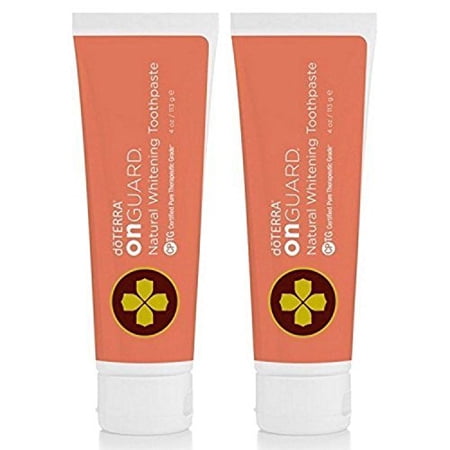

DoTERRA On Guard Natural Whitening Toothpaste
Analysis updated September 2026 · How Scout scores
At a glance
Summary
This toothpaste features a clean formula with beneficial ingredients like xylitol and hydroxyapatite, which support cavity reduction and enamel remineralization. It includes natural oils such as peppermint and clove, known for their antimicrobial properties, and avoids harmful chemicals like fluoride and SLS. The presence of sodium lauroyl sarcosinate is a minor concern, but overall, the product is well-formulated for oral health.
Key ingredients 19
XylitolVery Good
Xylitol is a natural sweetener that helps reduce cavity-causing bacteria in the mouth. It is beneficial for oral health as it inhibits the growth of Streptococcus mutans, the bacteria responsible for tooth decay. It also helps maintain moisture in the mouth.
Risks
There are no significant risks associated with xylitol in oral care products.
Benefits
Xylitol reduces the risk of cavities and promotes oral health.
HydroxyapatiteVery Good
Hydroxyapatite is a biomimetic mineral that helps remineralize and strengthen tooth enamel. It is effective in repairing micro-damage and reducing sensitivity. It is a safe and beneficial alternative to fluoride.
Risks
There are no significant risks associated with hydroxyapatite in oral care products.
Benefits
Hydroxyapatite strengthens enamel and reduces tooth sensitivity.
GlycerinGood
Beneficial ingredient — whole-food or functional value in this product class.
Risks
There are no significant risks associated with glycerin in oral care products.
Benefits
Glycerin helps maintain the moisture and consistency of the toothpaste.
Mentha piperita (Peppermint) OilGood
Peppermint oil is a natural antimicrobial agent that helps freshen breath and reduce oral bacteria. It provides a pleasant flavor and has mild antibacterial properties. It is generally safe and beneficial for oral health.
Risks
There are no significant risks associated with peppermint oil in oral care products.
Benefits
Peppermint oil freshens breath and has antimicrobial properties.
Eugenia caryophyllus (Clove) Bud OilGood
Clove bud oil is known for its antimicrobial and analgesic properties. It can help reduce oral bacteria and provide relief from minor toothaches. It is a beneficial ingredient in oral care products.
Risks
There are no significant risks associated with clove bud oil in oral care products.
Benefits
Clove bud oil has antimicrobial properties and can relieve minor toothaches.
Cinnamomum zeylanicum (Cinnamon) Leaf OilGood
Cinnamon leaf oil has antimicrobial properties that can help reduce oral bacteria. It also provides a warm, spicy flavor to the toothpaste. It is generally safe and beneficial for oral health.
Risks
There are no significant risks associated with cinnamon leaf oil in oral care products.
Benefits
Cinnamon leaf oil reduces oral bacteria and adds flavor.
Cinnamomum zeylanicum (Cinnamon) Bark OilGood
Cinnamon bark oil is used for its antimicrobial properties and flavor. It helps reduce oral bacteria and provides a pleasant taste. It is safe and beneficial for oral health.
Risks
There are no significant risks associated with cinnamon bark oil in oral care products.
Benefits
Cinnamon bark oil has antimicrobial properties and enhances flavor.
Eucalyptus globulus (Eucalyptus) Leaf OilGood
Eucalyptus leaf oil is known for its antimicrobial and anti-inflammatory properties. It can help reduce oral bacteria and soothe gum inflammation. It is a beneficial ingredient in oral care products.
Risks
There are no significant risks associated with eucalyptus leaf oil in oral care products.
Benefits
Eucalyptus leaf oil reduces oral bacteria and soothes gums.
Rosmarinus officinalis (Rosemary) Leaf OilGood
Rosemary leaf oil has antimicrobial properties that can help reduce oral bacteria. It also provides a pleasant herbal flavor to the toothpaste. It is generally safe and beneficial for oral health.
Risks
There are no significant risks associated with rosemary leaf oil in oral care products.
Benefits
Rosemary leaf oil reduces oral bacteria and adds flavor.
Commiphora myrrha (Myrrh) OilGood
Myrrh oil is known for its antimicrobial and anti-inflammatory properties. It can help reduce oral bacteria and soothe gum inflammation. It is a beneficial ingredient in oral care products.
Risks
There are no significant risks associated with myrrh oil in oral care products.
Benefits
Myrrh oil reduces oral bacteria and soothes gums.
Water (Aqua)Neutral
Water is used as a solvent in toothpaste formulations. It helps dissolve other ingredients and provides the necessary consistency. It does not contribute directly to oral health.
Risks
There are no risks associated with water in toothpaste.
Benefits
Water helps dissolve and mix ingredients, ensuring the toothpaste is easy to use.
Hydrated SilicaNeutral
Hydrated silica is used as a mild abrasive to help remove plaque and surface stains from teeth. It is generally considered safe for use in toothpaste. However, excessive abrasiveness can potentially damage enamel over time.
Risks
Overuse of abrasive agents like hydrated silica can lead to enamel wear.
Benefits
Hydrated silica helps in cleaning teeth by removing surface stains and plaque.
Calcium CarbonateNeutral
Calcium carbonate acts as a mild abrasive and a polishing agent in toothpaste. It helps in removing surface stains and plaque. It is generally safe but does not provide significant remineralization benefits.
Risks
Excessive use of abrasives can lead to enamel wear.
Benefits
Calcium carbonate aids in cleaning and polishing teeth.
Cellulose GumNeutral
Cellulose gum is used as a thickening agent in toothpaste. It helps maintain the desired consistency and texture. It does not have direct oral health benefits or risks.
Risks
There are no significant risks associated with cellulose gum in oral care products.
Benefits
Cellulose gum helps maintain the texture and consistency of the toothpaste.
Citrus sinensis (Wild Orange) Peel OilNeutral
Wild orange peel oil is used for its flavoring properties in toothpaste. It provides a pleasant citrus taste but does not have significant oral health benefits. It is generally considered safe for use.
Risks
There are no significant risks associated with wild orange peel oil in oral care products.
Benefits
Wild orange peel oil enhances the flavor of the toothpaste.
Stevia rebaudiana (Stevia) Leaf ExtractNeutral
Stevia leaf extract is used as a natural sweetener in toothpaste. It provides sweetness without contributing to tooth decay. It is generally considered safe for use.
Risks
There are no significant risks associated with stevia leaf extract in oral care products.
Benefits
Stevia leaf extract sweetens the toothpaste without causing cavities.
Gaultheria procumbens (Wintergreen) Leaf OilNeutral
Standard formulation ingredient — neither beneficial nor harmful at typical use.
Risks
There are no significant risks associated with wintergreen leaf oil in oral care products.
Benefits
Wintergreen leaf oil freshens breath and has antimicrobial properties.
Xanthan GumNeutral
Xanthan gum is used as a thickening agent in toothpaste. It helps maintain the desired consistency and texture. It does not have direct oral health benefits or risks.
Risks
There are no significant risks associated with xanthan gum in oral care products.
Benefits
Xanthan gum helps maintain the texture and consistency of the toothpaste.
Sodium Lauroyl SarcosinateBad
Processed additive flagged under Scout's ingredient doctrine.
Risks
There are no significant risks associated with sodium lauroyl sarcosinate in oral care products.
Benefits
Sodium lauroyl sarcosinate helps clean teeth and create foam.
Get the full breakdown in the Scout appTake Scout shopping
Scan any product to see lab results, healthy alternatives, and your personalized analysis.
Download on theApp Store GET IT ONGoogle PlayAmazon pricing & content
Amazon price as of . Product prices and availability are accurate as of the date/time indicated and are subject to change. Any price and availability information displayed on Amazon.com at the time of purchase will apply to the purchase of this product.
CERTAIN CONTENT THAT APPEARS ON THIS SITE COMES FROM AMAZON. THIS CONTENT IS PROVIDED “AS IS” AND IS SUBJECT TO CHANGE OR REMOVAL AT ANY TIME.