
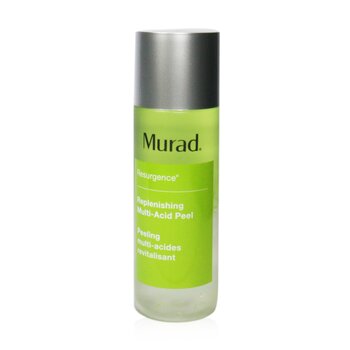


Murad® Replenishing Multi-Acid Peel at Nordstrom
Analysis updated October 2026 · How Scout scores
At a glance
Summary
This product contains several beneficial ingredients such as glycolic acid, lactic acid, and jojoba seed oil, which are known for their exfoliating and moisturizing properties. However, it also includes propylene glycol caprylate and 1,2-hexanediol, which are synthetic compounds that may raise concerns for some consumers. The overall formulation is balanced with natural extracts and skin-friendly acids, but the presence of synthetic ingredients slightly impacts its rating.
Key ingredients 8
Glycolic AcidVery Good
Glycolic acid is an alpha hydroxy acid (AHA) that exfoliates the skin by removing dead skin cells. It helps to improve skin texture and tone.
Risks
Overuse can lead to skin irritation and increased sensitivity to sunlight.
Benefits
It promotes cell turnover and can help reduce the appearance of fine lines and acne.
Simmondsia Chinensis (Jojoba) Seed OilVery Good
Jojoba oil is a natural oil that closely resembles the skin's own sebum. It is highly moisturizing and helps to balance oil production.
Risks
There are no significant risks associated with jojoba oil.
Benefits
It provides deep hydration and has anti-inflammatory properties that can soothe the skin.
Lactic AcidVery Good
Lactic acid is an AHA that gently exfoliates the skin and improves hydration. It is known for its ability to brighten and smooth the skin.
Risks
May cause irritation if used excessively or on sensitive skin.
Benefits
It enhances skin texture and reduces the appearance of fine lines.
Sodium HyaluronateVery Good
Sodium hyaluronate is a form of hyaluronic acid that is easily absorbed by the skin. It is a powerful humectant that attracts and retains moisture.
Risks
There are no significant risks associated with sodium hyaluronate.
Benefits
It provides intense hydration and plumps the skin, reducing the appearance of wrinkles.
Caprylic/Capric TriglycerideGood
This ingredient is derived from coconut oil and glycerin, and is used as an emollient. It helps to moisturize and replenish the skin without leaving a greasy residue.
Risks
There are minimal risks associated with this ingredient, though it may cause mild irritation in very sensitive skin.
Benefits
It provides a lightweight moisturizing effect and enhances the absorption of other ingredients.
BisabololGood
Bisabolol is a natural compound derived from chamomile that has soothing and anti-inflammatory properties. It helps to calm irritated skin.
Risks
There are minimal risks, though allergic reactions are possible in rare cases.
Benefits
It reduces redness and irritation, making it ideal for sensitive skin.
Tocopheryl AcetateGood
Tocopheryl acetate is a form of vitamin E that acts as an antioxidant. It helps to protect the skin from free radical damage.
Risks
There are minimal risks, though it may cause mild irritation in sensitive individuals.
Benefits
It supports skin health by providing antioxidant protection and improving moisture retention.
Water/Aqua/EauNeutral
Water is a common solvent used in cosmetics to dissolve other ingredients. It does not have any direct benefits or risks associated with its use in skincare products.
Risks
There are no known risks associated with water in cosmetics.
Benefits
Water helps to dissolve and deliver active ingredients to the skin.
Get the full breakdown in the Scout appTake Scout shopping
Scan any product to see lab results, healthy alternatives, and your personalized analysis.
Download on theApp Store GET IT ONGoogle Play